_thumb.jpg)
匹克球场地照明指南
匹克球在美国、英国乃至世界各地迅速走红,从一项后院消遣活动演变为全球发展最快的运动之一。
随着每年参与匹克球运动的球员人数不断增加,对照明良好的球场的需求也随之激增。无论是社区公园、私人后院,还是专业锦标赛场地,匹克球场地的照明 如今都对比赛质量和球员体验起着至关重要的作用。
本指南涵盖您需要了解的一切——从照明标准和灯具类型到室内/室外设计技巧、布局规划、成本、安装和维护。
本书面向俱乐部老板、社区规划人员、住宅用户和照明专业人士,旨在帮助他们建造或升级符合当今性能和效率标准的球场。
目录
与球场表面一样,照明设计直接影响比赛的可玩性、安全性和视觉舒适度。照明不足会导致眩光、亮度不均或阴影,使追踪快速运动的球变得困难。
相反,设计合理的 LED 照明系统可以提高可见度,最大限度地减少疲劳,并确保休闲比赛和竞技比赛的公平性。
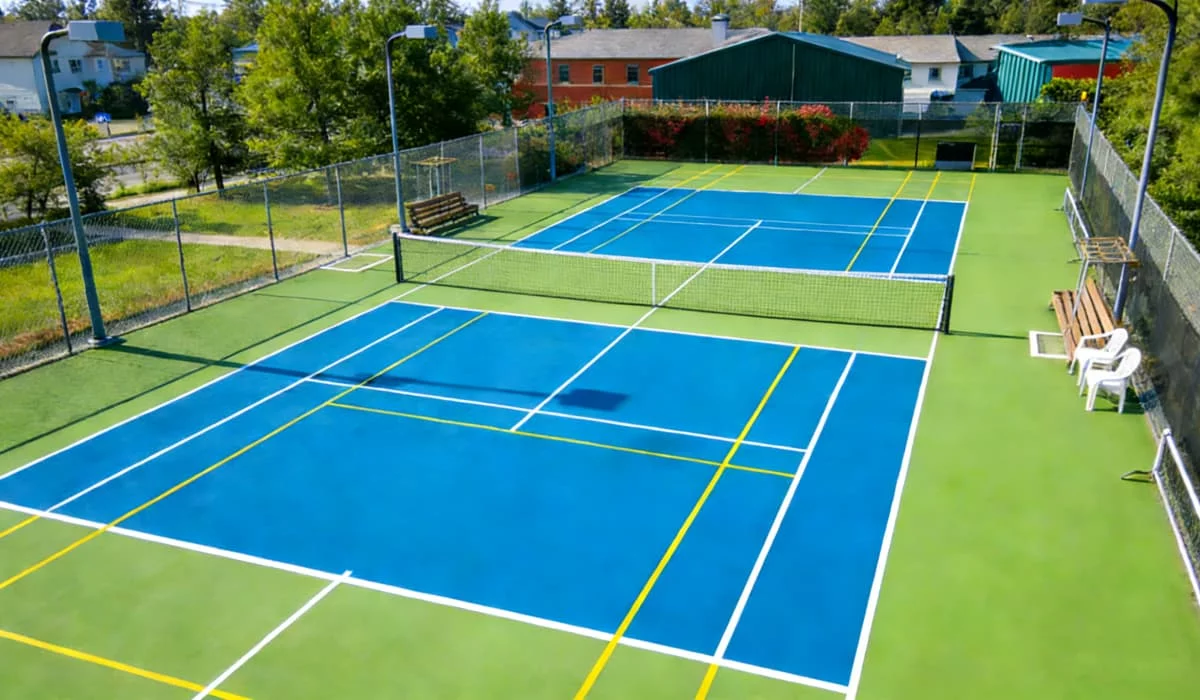
为了便于理解,本文中的所有照明计算均基于标准球场尺寸:双打 20×44 英尺,单打 10×22 英尺。
要点速览
优质的照明确保所有技能水平的选手都能拥有清晰的视野和稳定的比赛表现。
l 选择合适的灯具可以减少眩光和能源消耗。
l 正确的布局设计可保持球场各处亮度均匀。
长寿命的LED系统最大限度地降低了维护和使用寿命成本。
为什么匹克球场地照明很重要?
匹克球场地照明的 作用远比大多数人想象的要大。它不仅仅是“照亮球场”,还会直接影响球员看清球的程度、在球场上的安全感以及场地每天的运营时间。
(1) 性能和可见性
匹克球比网球速度更快、弹跳更高,球更小更轻,在光线不均的情况下更难追踪。适当的照明可以确保球员能够清晰地观察球的轨迹并迅速做出反应——尤其是在快速截击或挑高球时。
(2) 安全与舒适
光线不均、眩光或暗区会导致失误或碰撞。均衡均匀的照明可以消除阴影和眼部疲劳,让玩家专注于游戏本身,而不是费力地看清画面。
(3) 延长游戏时间和利用率
LED照明使得夜间比赛和社区活动在日落后也能继续进行。对于俱乐部所有者或社区规划者而言,这意味着更高的场地利用率和更好的投资回报。
匹克球场地和网球场通常共用,因此,为匹克球场地合理配置的照明设备也可以有效地 用作网球场地照明。充分支持网球场的各项功能。
(4) 合规性和专业标准
符合推荐的照明标准可确保球场做好参加联赛或社区认证的准备。光线充足的球场也体现了专业性,并能吸引更多球员。
匹克球场照明关键标准
良好的匹克球场照明 始于明确的技术标准。合适的照明水平、均匀性和色彩质量不仅决定了球员的视野,也决定了灯具的使用寿命。
1. 照度(勒克斯)要求
照明标准通常以勒克斯(lux)为单位,勒克斯是衡量物体表面亮度的单位。对于匹克球运动而言,水平照度 和垂直照度 都非常重要:
测量球场表面的水平照度——它会影响线条的可见性、球的弹跳和脚步的落点。
垂直照度 是在球员眼睛高度的垂直平面上测量的——它会影响追踪飞行中球的能力,尤其是在发球和截击期间。
典型建议(基于IES和USAPA的指导):
休闲娱乐: 水平照度 200–300 勒克斯,垂直照度 100–150 勒克斯
俱乐部或比赛级别: 400–500 勒克斯(水平),200 勒克斯(垂直)
两个维度上均匀的亮度确保玩家能够准确判断速度、旋转和高度。
2. 均匀性和眩光控制
均匀亮度与整体亮度同样重要。照明工程师使用均匀度比率来评估均匀度:
Umin/Uavg(最小值÷平均值) — 为保持光照水平稳定,应≥0.6 。
Umin/Umax(最小值÷最大值)——一个更严格的指标,有助于消除“热点” 或过亮区域。
高均匀性可创造视觉平衡,减少阴影,增强深度感知。
为了最大限度地减少眩光并保持舒适度:
选择UGR(统一眩光等级)≤ 22 的灯具。
使用蝙蝠翼形或百叶窗式光学元件 均匀分布光线。
避免安装角度会使光束直射到球员眼睛。
3. 显色性和色温
颜色一致性能够提高反应速度和准确性。其中两个因素最为重要:
显色指数(CRI):休闲娱乐用≥70,竞技游戏用≥80。
色温(CCT): 中性白4000K–5000K 提供逼真的色彩感知和视觉清晰度。
良好的显色指数 (CRI) 和色温 (CCT) 组合可确保在任何条件下都能轻松区分球、球场线和背景。
小贴士:如果您计划从旧的金属卤化物灯升级,请检查您的 LED 灯具是否满足水平和垂直照度要求,而不仅仅是总流明输出——这是法院改造中最常见的错误。
想知道如何选择篮球场照明灯吗?
如何选择 合适的灯具?
选择合适的灯具是实现可靠高效匹克球场地照明的最关键步骤。理想的照明系统应提供明亮均匀的光照,能够承受各种环境条件,并在多年的使用中保持稳定的性能。
1. LED灯具与传统灯具的比较
传统的金属卤化物灯或卤素灯曾经在小型球场上占据主导地位,但由于多种原因已经过时:
特征 | 金属卤化物/卤素 | LED灯具 |
能源效率 | 70–100 流明/瓦 | 130–170 流明/瓦 |
热身时间 | 5-10分钟 | 即时开启 |
维护 | 频繁更换灯泡 | 最少,最多可达 50,000 至 100,000 小时 |
光衰减 | 两年内达到 30-40%。 | 5 年内低于 10%。 |
闪烁 | 在镜头下很明显 | 无闪烁/高频脉宽调制 |
无论是室内还是室外匹克球场地,高质量的 LED 泛光灯都能提供更好的可见度、色彩一致性和节能效果,使其成为行业标准。
2. 按场地类型选择固定装置
(1) 室外球场
户外环境需要耐用性和防风雨性能。
耐腐蚀性: 选择压铸铝 或不锈钢外壳,尤其是在沿海或潮湿地区。
IP防护等级: 最低IP65 ,可防雨、防尘、防虫。
防雷保护: 确保裸露金属杆具有抗浪涌能力(≥10 kV)。
工作温度: 验证在-30°C至+50°C范围内的稳定性 ,以确保全年性能。
(2) 室内球场
室内场所需要视觉舒适度和精确的光学控制。
闪烁控制: 选择无闪烁驱动器 或高频 PWM 调光 (闪烁指数 <1%),以防止眼睛疲劳和运动模糊。
眩光控制:UGR ≤ 22 的 灯具 或集成扩散器有助于创造平滑的视觉平衡。
安装方式: 线性高棚灯或可调节轨道灯是体育馆或社区中心的理想选择。
3. 光束角度和光学控制
光束角决定了光线扩散的宽度:
窄光束(15°–30°): 适用于高杆或远距离投影。
中等光束(45°–60°): 对大多数球场来说覆盖范围均衡。
宽光束(90°+): 适用于低矮天花板或近距离安装的室内照明。
现代 LED 灯具通常采用蝙蝠翼光学元件 或非对称透镜 ,使光线更均匀地分布在比赛表面上,同时最大限度地减少眩光。
专业提示: 务必使光束角度与灯杆高度和场地布局相匹配。常见的错误是在高灯杆上使用宽光束,这会浪费光线并造成亮度不均。
总结:
规划匹克球场照明时,优先考虑以下LED灯具:
高效率(≥130 lm/W)
IP65+防护
无闪烁驱动
防眩光光学元件
适合您布局的正确光束角度
这些因素共同决定了球场的性能、系统的使用寿命以及球员在灯光下的舒适度。
室内匹克球照明与室外匹克球照明:主要设计差异
匹克球场的照明设计并非千篇一律。室内和室外匹克球场的照明 在设计、灯具类型和光线分布策略方面都存在很大差异。
目标是一致的——均匀的亮度和视觉舒适度——但如何实现则取决于场地环境。
1. 核心场馆对比
方面 | 室外球场 | 室内球场 |
主要挑战 | 天气影响、眩光控制、光污染 | 反射、眩光和闪烁管理 |
照明类型 | 非对称泛光灯直接照明 | 间接或半直接照明,实现柔和均匀的照明 |
安装高度 | 球场周围竖立15-20英尺高的杆子 | 10-14 英尺高的天花板或吊灯 |
重点事项 | 防水、耐腐蚀、抗风 | 防眩光光学元件、无闪烁驱动器、平衡色温(4000–5000K) |
两种环境都必须达到一致的光照水平和色彩还原度,但具体实现方式会因物理和视觉条件而异。
2. 室外球场设计与布局
室外匹克球场地通常位于开放空间——公园、俱乐部或私人后院——天气、光线溢出和球杆位置都必须仔细管理。
设计技巧:
安装布局: 采用四杆或六杆配置,每根杆高 15-20 英尺,沿球场长边对称放置。
灯具数量: 休闲用途 通常需要4-6 个泛光灯(每个 300-500W) , 锦标赛级别的球场需要8-10 个灯具。
光束角度: 30°–45°非对称光学设计可防止光线溢出游戏区域。
眩光和光污染: 使用遮光或百叶窗式镜片 ,以减少对邻居的干扰,并遵守“暗夜天空”法规。
材质: 选择 防腐蚀粉末涂层铝杆;在沿海或潮湿地区尤为重要。
抗风性: 灯具应能承受至少50 英里/小时的风速。
专业提示: 将所有泛光灯稍微向前向下倾斜,朝向中心,以减少基线附近的阴影。
3. 室内球场设计与布局
室内照明设计更注重视觉舒适度和频闪控制, 而非耐候性。由于天花板高度各不相同,灯具类型和安装方式至关重要。
设计技巧:
安装方式:
适用于高天花板(≥14 英尺)的吸顶式线性灯具。
适用于中等高度(10-12 英尺)体育馆的悬挂式灯具或轨道式 LED 灯。
照明方式:
间接照明: 光线从白色天花板/墙壁反射,营造出柔和、无阴影的照明效果。
直接-间接照明: 将球场表面的直接光照与用于深度感知的间接反射相结合。
防眩光解决方案: 使用哑光扩散器、磨砂镜片或蝙蝠翼光学镜片 ,以最大程度地减少球员向上看时的不适感。
无闪烁性能: 选择SVM < 0.4 (频闪可见度测量)的驱动程序,以消除视觉疲劳。
照明均匀性目标: 保持均匀性比率≤0.7,UGR≤22 , 以获得最佳的可见度和舒适度。
总结:
户外照明注重耐用性、防风雨性和防溢漏性,而室内照明则强调视觉舒适性、无闪烁设计和天花板反射控制。
匹克球场照明布局:分步指南
设计合适的匹克球场照明布局, 可确保球场的每一寸都得到均匀照明,不会出现眩光或暗区。
虽然像 Dialux 或 Relux 这样的专业软件可以提供最准确的结果,但本分步指南可帮助您了解布局规划背后的基本逻辑。
第一步:确认球场尺寸和用途
标准匹克球场地双打尺寸为20×44 英尺 ,单打尺寸为10×22 英尺 。
休闲球场:200–300勒克斯
训练场地:300–500勒克斯
比赛场地:500–750勒克斯
始终要根据球场的用途,从正确的尺寸和目标照度开始。
步骤 2:选择合适的布局类型
布局类型 | 描述 | 最适合 |
四角布局 | 每个角落有四根杆子,高 15-20 英尺。 | 家庭或社区球场 |
侧装式布局 | 沿长边布置的固定装置 | 多球场综合体 |
吊装式或吸顶式 | 室内球场,天花板高度统一 | 健身房或体育中心 |
专业提示: 对于室外场地,避免将灯具直接放置在底线后面——这可能会导致球员抬头看高吊球时产生眩光。
步骤 3. 估算固定装置数量(简化方法)
请将此作为粗略参考,而非精确计算:

例如:
20×44 英尺 = 880 平方英尺 × 300 勒克斯 = 264,000 流明需求
如果每个灯具提供 50,000 流明 → 大约需要6 个灯具 用于娱乐活动。
然而,这只是一个简化的估算。实际需求会因以下因素而异:
安装高度
光束角度 (窄 = 投射距离更远;宽 = 投射距离更近,光束均匀扩散)
光学效率
利用率(UF)——室外球场通常为0.6-0.8
瞄准角度和重叠
为了获得准确的结果,请使用制造商的光度数据(IES 文件)或咨询照明设计师。
步骤 4. 测试并调整均匀性
安装完成后,使用照度计 测试球场上的多个点。
均匀性目标: 最小值与平均值之比≤0.7
检查水平和垂直照度:
水平放置 (在地面上)可确保表面亮度
垂直方向 (约 5 英尺高度)可确保在飞行过程中清晰地看到球。
稍微调整灯具倾斜角度,直到没有明显的暗区或过亮区为止。
第五步:注意细节
避免眩光: 灯具不应直射球员的眼睛——向下倾斜 30-45°。
防止光线溢出: 在住宅区附近的室外球场 使用遮光罩或遮光板。
对称地安装灯具: 保持视觉平衡并确保均匀的光线分布。
电缆管理: 按照规范标准,将所有电线安全地穿过电线杆或导管。
摘要:
高效的匹克球场照明设计需要结合精确的照度规划、合适的灯具选择和精心的照射角度调整。首先进行简化计算,然后使用专业的照明设计软件进行优化,以实现最佳的亮度、均匀性和舒适度。
LED运动 照明成本细分
精心设计的LED照明系统是一项长期投资,它既能影响性能,又能降低运营成本。
让我们来看看你的预算都花在了哪里——以及如何才能随着时间的推移最大化你的回报。
1. 初始成本构成
灯具成本: 每盏 LED 泛光灯 150-500 美元(价格因瓦数而异)。
安装费用: 500-2000 美元(自行安装)或 2000-5000 美元(专业安装)。
运营成本: 4 个灯具(LED)每月约 10-20 美元。
保修: 优先选择保修期为5-10 年的型号,这表明产品质量更高。
额外费用:
智能控制器(200-500美元)
杆子(每根 300-800 美元)
防雷接地(100-300美元)
大型设施年度维护合同 (200-500美元/年)
匹克球场照明的总成本通常在每个球场 8,000 美元到 20,000 美元之间,具体取决于布局、安装高度和灯具质量。
2. 运营和维护成本节省
与金属卤化物灯或高压钠灯相比,LED匹克球灯耗电量减少60%至70% ,且使用寿命长达5万至10万小时, 光通量不会衰减。这意味着更少的更换次数、更少的停机时间和更低的维护成本。
对于暴露在雨水和风中的室外球场,防护等级为IP65 或更高的LED 灯 可保持稳定的亮度,并且需要的维护量极少。
通过将您的系统与运动传感器或智能日程安排相结合,您可以进一步减少运行时间,从而额外节省10-20% 的电费。
3. 长期投资回报率分析
LED 照明通常在3-5 年内即可收回成本,具体取决于当地的能源价格和球场的使用频率。
以下是投资回报率的典型构成:
节能: 与高强度气体放电灯相比,节能60-70%
维护成本节省: 减少更换次数,最高可节省 80%
提升用户体验: 更高的能见度和更少的眩光吸引更多球员,从而提高场地利用率。
物业价值提升: 现代化、节能的设施可提升您场所的整体吸引力。
在10年的使用寿命内,LED系统 与传统照明系统相比,可带来2-3倍的投资回报。陶瓷 提供10年质保。
了解更多:想了解更多关于成本的详细信息?《匹克球场地照明成本指南》 包含详细说明。
匹克球场照明安装要点
精心设计的安装方案可确保您的匹克球场照明灯从 第一天起就能高效运行,而巧妙的维护则可使其多年保持这种状态。
本章将引导您了解保护投资所需的基本设置方法和长期维护策略。
1. 安装要点
(1) 规划照明布局和灯杆布置
安装前,请确认您的照明布局与球场朝向和所需的照度水平相符。
室外球场: 通常使用 4-6 根 20-26 英尺高的杆子,放置在边线外,以最大限度地减少眩光和阴影。
室内球场: 灯具采用吊装或悬挂式安装,确保光线均匀分布,避免对球员造成直接眩光。
使用光度设计软件或照明模拟来确认均匀性(U₁ ≥ 0.6)。
(2)确保正确的瞄准和光束控制
精准的瞄准对于获得最佳亮度和可视性至关重要。
每盏灯具都应 朝向球场中心倾斜 20° 至 30°,以避免出现暗区。光学透镜或防眩光遮光罩有助于保持均匀照明,并防止光线溢出到周围区域。
(3)电气准备
为避免闪烁或过载,请使用专用照明电路。对于户外照明,请确保地下线路绝缘良好 ,并且接线盒防水等级达到 IP65+。加装浪涌保护装置 可防止暴风雨造成的损坏。
(4)智能控制集成
安装智能照明控制器 或定时器,实现自动化操作并减少浪费。
部分系统支持通过移动应用程序进行远程预约——非常适合按特定时间租用场地的俱乐部。
2. 日常维护
LED 照明系统比传统照明系统需要的维护少得多,但定期检查有助于确保其性能稳定。
每季度清洁: 擦拭镜头和外壳,去除灰尘、花粉和昆虫,以免降低亮度。
年度检查: 检查安装件是否松动、连接器是否腐蚀或是否有潮气侵入,特别是室外球场。
性能测试: 每年测量光照水平,以确保亮度保持在原始设计值的 90% 以上。
如果任何灯具出现明显的亮度下降或颜色偏移,请立即更换,以保持视觉一致性。
结论
优质的匹克球场地照明 不仅仅关乎亮度,它还能确保每场比赛的可见性、安全性和舒适度。一套精心设计的照明系统能够提供均衡的光照、最大限度地减少眩光,并保持色彩一致,从而清晰地追踪球的轨迹。
运动照明解决方案 陶瓷地板使用寿命长、能耗低、性能稳定。凭借 Ceramiclite 提供的10 年质保,您的球场多年保持明亮可靠,且维护成本极低。
一次投资,即可享受更长的游戏时间、专业级的视野和真正的节能效果——这一切都得益于合适的匹克球场照明!