_thumb.jpg)
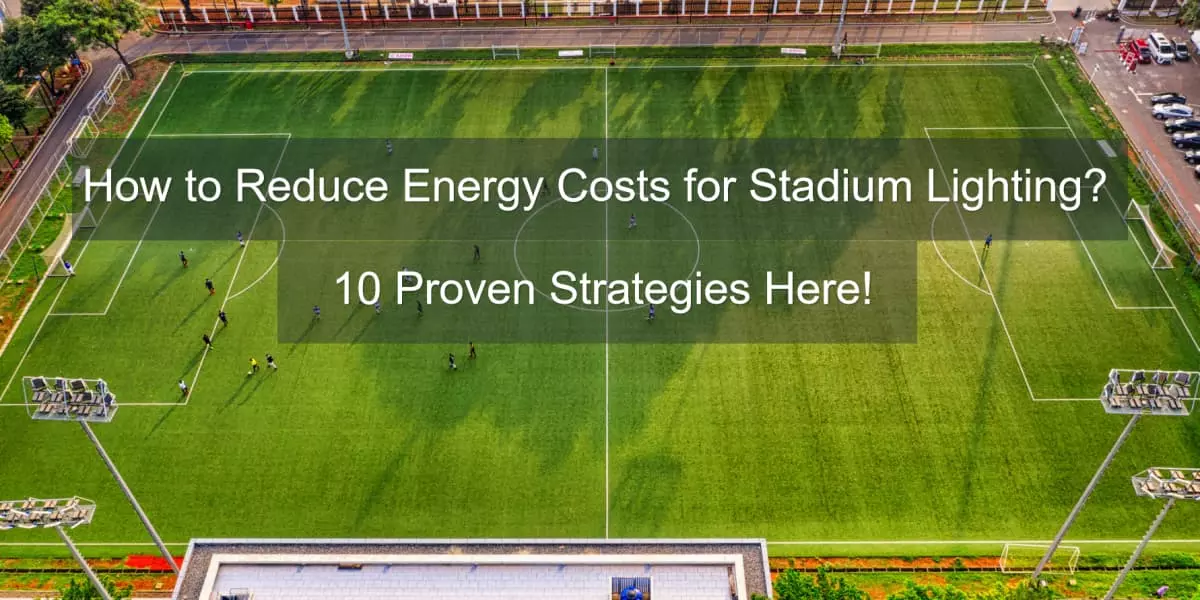
10 проверенных стратегий для снижения затрат на электроэнергию для освещения стадионов
Оглавление
Этап 1: Операционные стратегии (Нулевые затраты / Низкие затраты)
Стратегия 1: Оптимизация использования с помощью интеллектуального зонирования и планирования.
Стратегия 2: Договариваться о более выгодных тарифах на электроэнергию.
Этап 2: Техническое обслуживание и физическая оптимизация
Стратегия 3: «Неприятная» правда: Регулярная уборка и техническое обслуживание
Стратегия 4: Максимальное использование естественного освещения
Этап 3: Технологическая модернизация
Стратегия 5: Переход на светодиодные стадионные светильники (наибольший эффект)
Стратегия 6: Установка современных систем управления и датчиков присутствия.
Этап 4: Возобновляемая энергия и вспомогательные системы
Стратегия 7: Интеграция солнечной энергии
Стратегия 8: Снижение тепловой нагрузки.
Этап 5: Финансовые инструменты и финансирование
Стратегия 9: Энергетические аудиты
Стратегия 10: Финансирование, скидки и льготы
Введение
Для руководителей объектов и муниципальных планировщиков давление нарастает. Цены на энергоносители нестабильны, а сокращение бюджетных расходов становится нормой.
На освещение часто приходится от 30% до 50% от общего счета за электроэнергию стадиона. Однако решение не всегда сводится к «покупке новых светильников». Для достижения истинной экономической эффективности необходим комплексный подход.
В компании Ceramiclite мы выступаем за « трехкомпонентную стратегию » для максимальной экономии:
Управление : Оптимизация операционной деятельности (нулевые затраты).
l Техническое обслуживание: Физический уход (низкая стоимость).
Технологии : Модернизация оборудования (капитальные инвестиции).
В этом руководстве представлены 10 проверенных стратегий для ответа на важнейший вопрос о том, как снизить затраты на электроэнергию для освещения стадиона . Чтобы помочь вам составить комплексный план действий — от быстрых результатов до долгосрочных инвестиций — мы разделили эти стратегии на 5 отдельных этапов :
l Операционные стратегии (с нулевыми затратами)
l Техническое обслуживание и физическая оптимизация
Технологические обновления
Возобновляемые источники энергии и вспомогательные системы
Финансовые инструменты и финансирование
Мы начнем с первого этапа, сосредоточившись на немедленных и бесплатных решениях, которые вы можете внедрить уже сегодня.
Этап 1: Операционные стратегии (Нулевые затраты / Низкие затраты)
Прежде чем вкладывать средства в новое оборудование, максимизируйте эффективность вашей текущей системы. Самая дешевая энергия — это та, которую вы не используете.
Стратегия 1: Оптимизация использования с помощью интеллектуального зонирования и планирования.
Наиболее распространенная ошибка при обустройстве спортивных сооружений — это « избыточное освещение ». Нужна ли тренировкам юношеской сборной до 16 лет такая же яркость, как транслируемому по телевидению матчу чемпионата? Абсолютно нет.
Решение: зонирование и регулировка яркости.
Вместо бинарного переключателя «Вкл./Выкл.» внедрите многоуровневую политику использования:
l Зонирование : Подсвечивайте только конкретный используемый сектор (например, только Южный район).
Режим тренировки : Для тренировки включите освещение на 50% мощности (примерно 200 люкс).
l Режим соревнований : Используйте освещение на 100% мощности (500+ люкс) только во время официальных игр.
Финансовые последствия:
Многие менеджеры спрашивают: « Сколько стоит эксплуатация освещения стадиона?»Давайте рассмотрим математические вычисления для стандартного поля:
Расточительство : система мощностью 50 кВт при 100% мощности в течение 4 часов = 30 долларов в день .
Оптимизировано : для тренировки используется яркость 50% = 15,00 долларов в день .
Результат : экономия около 5400 долларов в год на каждом поле, просто за счет корректировки графика.
Стратегия 2: Договариваться о более выгодных тарифах на электроэнергию (управление тарифами)
Первый шаг — это снижение потребления. Второй шаг — снижение цены за единицу электроэнергии. В коммерческих счетах за электроэнергию часто начисляются штрафы за потребление в «часы пик» (обычно в конце дня).
Ловушка "пикового спроса":
Если вы включите все прожекторы одновременно в 18:00, это может привести к начислению огромной платы за пиковое потребление электроэнергии , что значительно увеличит ваш ежемесячный счет.
План действий:
Проверьте свой счет : убедитесь, что у вас тарифный план с оплатой по времени использования.
Поэтапный запуск : используйте последовательность «плавного запуска» (например, зона A → подождать 5 минут → зона B), чтобы избежать скачков напряжения.
Планируйте с умом : проводите высокоэнергетические профилактические испытания в непиковые часы (ранним утром или в выходные дни), когда тарифы могут быть на 30-50% ниже.
l Пересмотр условий : Крупные предприятия часто заключают контракты с фиксированной ставкой, чтобы защититься от волатильности рынка.
Этап 2: Техническое обслуживание и физическая оптимизация
Зачастую «скрытые» затраты энергии заключаются не в самой лампочке, а в её поверхности и проводке за ней. Регулярное техническое обслуживание гарантирует, что вы получите каждый оплаченный люмен.
Стратегия 3: «Неприятная» правда: Регулярная уборка и техническое обслуживание
Это простой закон физики: грязь поглощает свет.
Со временем на линзах светильников скапливается пыль, птичий помет и мусор из окружающей среды. Это приводит к снижению светового потока — то есть вы платите за 100% электроэнергии, но получаете только 70% или 80% света. Для поддержания необходимого уровня освещенности при загрязненных светильниках системам часто приходится работать интенсивнее или на более высоких уровнях мощности.
Невидимые отходы:
Помимо линзы, изношенная проводка и коррозия соединений увеличивают электрическое сопротивление . Это сопротивление преобразует дорогостоящую электроэнергию в тепло, а не в свет, создавая опасность возгорания и увеличивая ваши счета за электричество.
План действий:
Ежегодная чистка : Запланируйте профессиональную чистку линз всех прожекторов до начала основного сезона.
Электротехническое обследование : проверьте соединения на наличие коррозии. Затягивание ослабленных соединений может снизить сопротивление и предотвратить падение напряжения.
Стратегия 4: Максимальное использование естественного освещения (дневного света)
Для крытых арен и спортивных залов бесплатная энергия находится прямо над вами. Внедрение стратегий использования естественного освещения может значительно сократить потребление электроэнергии в дневное время.
Варианты реализации:
Световые люки : традиционные мансардные окна для широкого освещения.
Полупрозрачные кровельные панели : поликарбонатные материалы, пропускающие рассеянный свет.
Световоды : трубки , направляющие солнечный свет с крыши в определенные зоны внутри помещений без передачи тепла.
Совет эксперта: фактор бликов
В спорте зрительный комфорт имеет первостепенное значение. Прямые солнечные лучи создают блики , которые могут ослепить волейболиста или вратаря.
Решение : Всегда сочетайте естественное освещение с автоматизированными системами затенения или используйте материалы с высокой степенью рассеивания света для равномерного распределения освещения.
Этап 3: Технологическая модернизация (основное решение)
После оптимизации операций и технического обслуживания настает время для самого значительного скачка в эффективности: модернизации оборудования.
Стратегия 5: Переход на светодиодные стадионные светильники (наибольший эффект)
Это отраслевой стандарт не просто так. Переход от металлогалогенных (HID) или натриевых ламп высокого давления (HPS) к светодиодным технологиям — это самый эффективный способ сократить расходы.
Данные:
Снижение энергопотребления : светодиоды, как правило, потребляют на 50–80% меньше энергии, чем аналогичные газоразрядные лампы.
Мгновенное включение/выключение: больше никаких 15-минутных периодов прогрева, в течение которых расходуется энергия только для того, чтобы подготовить светильники к работе.
Решение проблемы стоимости:
Мы часто слышим опасения по поводу первоначальных инвестиций. Однако при оценке стоимости светодиодных стадионных светильников необходимо учитывать общую стоимость владения (TCO) , а не только цену, указанную на ценнике.
Окупаемость инвестиций : Благодаря значительной экономии энергии и практически нулевым требованиям к техническому обслуживанию, большинство проектов по модернизации освещения с использованием светодиодов окупаются в течение 2-3 лет . После этого экономия превращается в чистую прибыль.
Стратегия 6: Установка современных систем управления и датчиков присутствия.
Эффективный светильник бесполезен, если его оставить включенным в пустой комнате. Интеллектуальная система управления гарантирует, что свет будет подаваться только туда и тогда, когда это необходимо.
1. Вспомогательные области (простые решения)
Раздевалки, коридоры и туалеты печально известны тем, что освещены круглосуточно.
Решение : Установите датчики присутствия . Эти пассивные инфракрасные или ультразвуковые датчики автоматически отключают питание, если в течение 15 минут не обнаруживается движение.
2. Охранное освещение на поле
На объектах часто оставляют освещение на поле включенным на всю ночь в целях безопасности, что приводит к огромному потреблению электроэнергии.
Решение : Используйте интеллектуальное затемнение . Запрограммируйте систему на снижение яркости до 10% при закрытии стадиона. Это обеспечит достаточное освещение для камер видеонаблюдения без ущерба для полной освещенности.
Узнайте больше о системах управления спортивными мероприятиями: руководство по регулировке яркости от 0 до 10 В.или руководство по управлению освещением DMX.
Этап 4: Возобновляемая энергия и вспомогательные системы
Истинная энергетическая независимость предполагает рассмотрение не только самого светильника. На этом этапе изучается вопрос генерации собственной электроэнергии и понимание системного влияния освещения на ваше предприятие.
Стратегия 7: Интеграция солнечной энергии
Для многих стадионов большая площадь крыш и парковок предоставляет прекрасную возможность для выработки солнечной энергии.
Автономное энергоснабжение против энергоснабжения от централизованной сети:
Автономное электроснабжение : идеально подходит для отдаленных районов. Использует аккумуляторные батареи для автономной работы освещения.
l Подключение к сети : Избыточная мощность возвращается в энергосеть в течение дня (сетевой учет) для компенсации затрат на ночное освещение.
Проверка структурной реальности:
Перед установкой солнечных панелей непосредственно на осветительные конструкции необходимо учитывать затраты на опоры освещения стадиона.
Ветровая нагрузка : Солнечные панели действуют как паруса. Установка их на существующие опоры значительно увеличивает сопротивление ветру.
Скрытые затраты : Большинство стандартных столбов не рассчитаны на такую дополнительную нагрузку. Вам может потребоваться усилить существующие столбы или установить независимые монтажные конструкции, что может повлиять на ваш бюджет. Всегда сначала консультируйтесь со специалистом по строительным конструкциям.
Стратегия 8: Снижение тепловой нагрузки (синергия систем отопления, вентиляции и кондиционирования).
Эта стратегия часто адаптируется для крытых арен (баскетбольных, волейбольных, бассейнов), где освещение и климат-контроль противостоят друг другу.
Физика:
Традиционные металлогалогенные лампы — это неэффективные «нагреватели», которые, помимо прочего, излучают свет. Они выделяют огромное количество теплоты.
Конфликт : Вашей системе отопления, вентиляции и кондиционирования приходится работать с перегрузкой, чтобы отводить тепло, выделяемое старыми лампами.
Преимущества светодиодов: светодиоды значительно меньше нагреваются. Переход на светодиоды обеспечивает « системную экономию » — снижение счетов за освещение и уменьшение энергопотребления системы кондиционирования на 15-20%.
Этап 5: Финансовые инструменты и финансирование
Самым большим препятствием на пути к энергоэффективности часто являются первоначальные затраты. Однако грамотные финансовые инструменты могут обеспечить положительный денежный поток с первого дня.
Стратегия 9: Энергетический аудит (профессиональная оценка)
Невозможно управлять тем, что не измеряешь. Прежде чем вкладывать капитал, необходим план действий.
Почему вам необходим аудит независимой третьей стороной:
Привлечение профессионального аудитора помогает выявить «невидимые» недостатки, такие как:
Проблемы с коэффициентом мощности (которые приводят к дополнительным платежам за электроэнергию).
l Просачивание света (потеря света за пределы поля зрения).
Фантомное электропитание использует старые балласты.
Профессиональный отчет предоставит данные, необходимые для обоснования инвестиций перед вашим советом директоров или городским советом.
Стратегия 10: Финансирование, скидки и льготы
Часто задают вопрос: « Сколько стоит установить освещение на стадионе? » Ответ может вас удивить: первоначальные затраты могут быть нулевыми.
Используйте чужие деньги (OPM):
l Контракт на повышение энергоэффективности (EPC) : Компания по энергоснабжению (ESCO) покрывает стоимость установки. Вы выплачиваете им деньги постепенно, используя только сэкономленные средства на счетах за электроэнергию. Если вы не экономите, вы не платите.
l Скидки : Многие энергетические компании предлагают значительные скидки за переход на светодиодные светильники, сертифицированные DLC, чтобы снизить нагрузку на электросеть.
Финансирование по программе PACE : Программы финансирования энергоэффективных проектов с использованием налога на недвижимость (PACE) позволяют финансировать модернизацию за счет налога на недвижимость, распределяя затраты на 10-20 лет.
Заключение
Снижение затрат на электроэнергию для освещения стадиона — это не просто замена лампочки, а принятие подхода, основанного на комплексном управлении энергопотреблением .
От стратегий с нулевыми затратами, таких как интеллектуальное планирование, до высокоэффективных инвестиций, таких как модернизация с использованием светодиодного освещения и интеграция солнечной энергии , путь к устойчивому и экономичному объекту очевиден. Вопрос уже не в том, стоит ли проводить модернизацию, а в том, как скоро можно начать экономить.
Готовы сократить свои счета за электроэнергию на 75%?
Не гадайте, какие цифры верны. Свяжитесь с компанией Ceramiclite. Получите бесплатную консультацию уже сегодня ! Наши инженеры покажут вам, сколько именно вы сможете сэкономить.