_thumb.jpg)
Indoor Sports Lighting For Low-Glare, High-Efficiency Courts
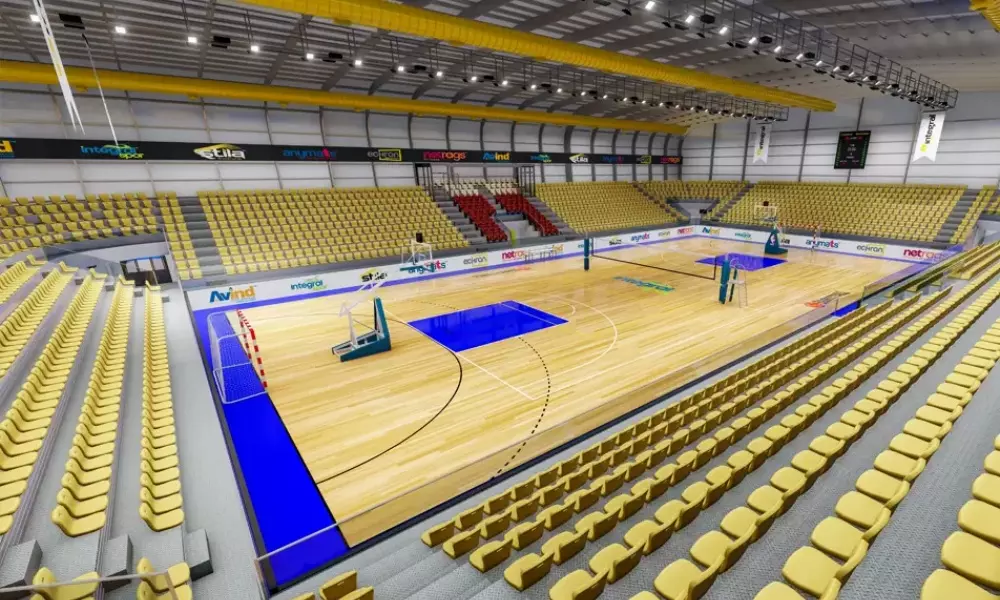
Table of Contents
Beyond Lux Levels: The "Hidden" Safety Specs
Indoor vs. Outdoor: Understand the Environment
Direct vs. Indirect vs. Hybrid: Choosing Your Layout
The "Smart" Advantage: More Than Just Savings
Optimizing Light by Sport: Tailored Solutions for Every Court
5 Steps to Evaluate Your Facility (Site Audit Checklist)
FAQ: Indoor Sports Lighting Questions
Introduction
Is your facility suffering from the dreaded "cave effect"—where the center of the court is bright, but the corners are dim? Or perhaps your athletes are complaining about blinding glare during a critical match point?
Lighting a sports facility is about more than just hanging bright fixtures from the ceiling. It is a precise balance of physics, visual comfort, and energy management. Whether you manage a high-school gymnasium, a professional tennis center, or a municipal natatorium, the quality of your light directly impacts player performance and safety.
What is High-Performance Indoor Sports Lighting?
Modern indoor sports lighting refers to advanced LED systems specifically engineered to deliver high illuminance uniformity, minimize glare (UGR), and withstand the rigorous physical demands of ball impacts and harsh environments. Unlike traditional Metal Halide or Fluorescent tubes, today’s LED solutions offer instant-on capabilities and smart controls that can cut energy costs by up to 70%.
In this guide, we move beyond basic brightness. We will explore the critical engineering standards, compare direct vs. indirect layouts, and help you choose the right solution for your specific sport.
Beyond Lux Levels: The "Hidden" Safety Specs
Most facility managers focus solely on Lux levels (brightness). While meeting the 500-750 Lux standard for competition is necessary, it is not sufficient. To ensure your investment lasts and your players remain safe, you must evaluate three "hidden" engineering specifications that many suppliers overlook.
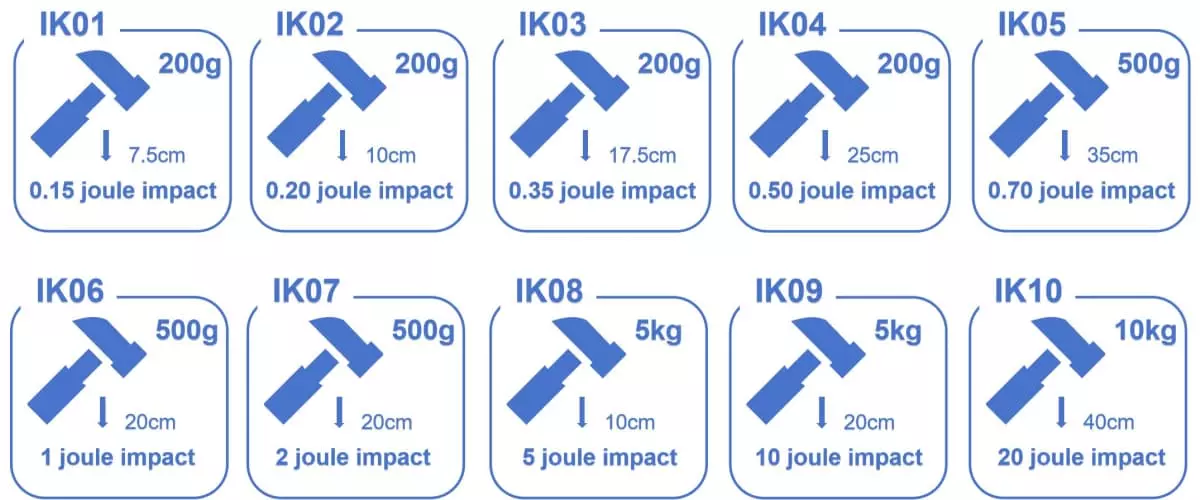
1. Impact Resistance (IK Rating)
In an indoor arena, your lights are constantly at risk. A stray basketball or a high-flying hockey puck can easily shatter a standard commercial fixture, creating a hazard of falling glass and debris.
l The Standard: Look for fixtures with a high IK Rating (Impact Protection).
l Recommendation: For ball sports like basketball, indoor soccer, or hockey, an IK08 to IK10 rating is non-negotiable. This certification ensures the fixture is tested to withstand varying degrees of impact energy (joules) without failing. Look for fixtures protected by polycarbonate lenses or wire guards compliant with DIN 57710-13 standards for ball safety.
2. Thermal Management in "Heat Traps"
Here is a fact often ignored: it is hot up there. Heat rises, and the temperature at the ceiling of a gym (High Bay) can be 20°F to 30°F hotter than at floor level.
l The Problem: Poorly designed LEDs may shine brightly for the first month but degrade rapidly due to overheating. This leads to color shifting (lights turning purple/blue) and premature failure.
l The Solution: Prioritize fixtures with advanced thermal engineering. Superior heat dissipation ensures the LEDs maintain an L70 lifespan of >50,000 hours even in high ambient temperatures (Ta). This means your lights will retain 70% of their initial brightness for years, not just months.
3. Glare Control (UGR)
Brightness without control is just glare. In sports like badminton, pickleball, and volleyball, players spend a significant amount of time looking upwards.
l The Metric: UGR (Unified Glare Rating).
l The Goal: A standard warehouse light often has a UGR > 28, which is blinding to athletes. For indoor sports lighting, you should target a UGR < 22 (and ideally < 19 for tennis). This is achieved through specialized optical lens designs that direct light specifically onto the playing surface (the court) rather than spilling it into the athletes' eyes.
Indoor vs. Outdoor: Understand the Environment
It is a common mistake to assume that a "rugged" outdoor floodlight is automatically the best choice for an indoor arena. While they share some similarities, the engineering requirements for indoor sports lighting differ significantly in three key areas. Understanding this distinction prevents costly failures.
l IP Rating (Ingress Protection):
Outdoor: Fixtures must be IP66 or IP67 to withstand driving rain, snow, and dust.
Indoor: Generally, an IP40 to IP54 rating is sufficient for gymnasiums and halls. The exception is Natatoriums (pools), which require IP65+ to seal out corrosive moisture. Using an unnecessarily high IP-rated outdoor fixture indoors often means paying for waterproofing you don't need, while missing out on specific indoor optical features.
l Thermal Design (Heat Management):
Outdoor: These fixtures rely on natural airflow (wind) to cool down.
Indoor: Gym ceilings act as "heat traps." There is no wind, and heat rises. Indoor-specific fixtures feature specialized heat sink engineering designed to dissipate heat passively in stagnant, hot air (often 50°C+ near the roof). Putting an outdoor light indoors can lead to overheating and shortened lifespans.
l Light Control (Spill vs. Glare):
Outdoor: The priority is controlling "Spill Light" to prevent light pollution for neighbors (Dark Sky Compliance).
Indoor: The priority is controlling "Glare." The optics must be designed to cut off light at specific angles to protect the athletes' eyes, rather than just preventing light from escaping the property.
Direct vs. Indirect vs. Hybrid: Choosing Your Layout
Choosing the right lighting layout is just as important as choosing the fixture itself. The physical structure of your building—specifically the ceiling height and material—will largely dictate which system delivers the best ROI and visual comfort.
Below is a quick comparison to help you identify the best fit for your facility:
Feature | Direct Lighting | Indirect Lighting | Hybrid (Direct-Indirect) |
Light Direction | 100% Downward | 100% Upward (Reflected) | ~70% Down / ~30% Up |
Glare Level | Moderate (Needs shielding) | Lowest (Best for eyes) | Low (Comfortable) |
Energy Efficiency | High (Direct punch) | Lower (Loss in reflection) | Balanced |
Best For | Basketball, Hockey, High-Bay | Tennis, Pickleball (Bubbles) | Multi-purpose, Low ceilings |
Why Consider Hybrid Lighting?
While direct lighting is the most energy-efficient, it can sometimes create a "Cave Effect"—where the floor is bright, but the ceiling and upper walls remain dark. This high contrast creates a gloomy atmosphere and makes it harder for athletes to track balls against a dark background.
Hybrid solutions solve this by directing a portion of the light upward to illuminate the ceiling structure. This technique increases vertical illuminance and opens up the space, making the facility feel larger, airier, and more inviting.
For community centers and multi-purpose halls with lower ceilings, a hybrid approach often provides the perfect balance between visual comfort and energy savings.
The "Smart" Advantage: More Than Just Savings
In 2025, upgrading to LED is no longer just about lowering your electricity bill. It is about unlocking capabilities that were impossible with legacy Metal Halide or Fluorescent systems. Modern indoor sports lighting integrates with smart technology to enhance safety, broadcasting, and user experience.
Tunable White Technology
Not every event requires the same atmosphere. With Tunable White controls, you can adjust the Color Temperature (CCT) of your facility instantly:
l 5000K (Cool White): Perfect for morning training sessions and competitive basketball games to keep athletes alert and focused.
l 3000K (Warm White): Ideal for evening yoga classes, community gatherings, or awards ceremonies to create a relaxed, comfortable ambiance.
This versatility turns a single gymnasium into a truly multi-purpose revenue generator.
HDTV & Slow-Motion Ready (Flicker-Free)
In the age of smartphones, every parent is a broadcaster. Whether it is a local high school game or a professional match, video quality matters. Inferior LEDs cause a "strobe effect" or black rolling bars when viewed through a camera or in slow-motion replays.
High-quality sports fixtures feature precision drivers with a Flicker Factor of < 1%. This ensures that slow-motion replays are crystal clear, satisfying both broadcasters and parents filming from the bleachers.
Instant Restrike for Safety
Safety is paramount in crowded venues. Traditional Metal Halide lamps require a 15-20 minute "cool down" period before they can be turned back on after a power surge or accidental switch-off. This blackout period is a significant safety risk.
LED sports lighting offers Instant Restrike. In the event of a power interruption, your lights will return to full brightness immediately upon power restoration, ensuring the safety of players and spectators without delay.
Optimizing Light by Sport: Tailored Solutions for Every Court
One size does not fit all. A lighting setup that works perfectly for a hockey arena could be disastrous for a tennis court. We engineer solutions based on the unique visual pain points of each sport.
Tennis & Pickleball (The "Look-Up" Challenge)
In racket sports, athletes spend a significant amount of time looking upwards to track high lobs and serves. Direct, high-glare lights can momentarily blind a player, leading to missed shots or even injuries.
The Pain Point: High-angle glare intersecting with the line of sight.
The Solution: We recommend Indirect Lighting systems (aimed at a reflective ceiling) or direct fixtures with Asymmetric Optics and strict cutoff angles. The goal is to maintain a UGR (Unified Glare Rating) < 19, ensuring visual comfort even during the most vertical plays.
Basketball, Volleyball & Multi-purpose Gyms
These are fast-paced sports where players need to see the ball, the floor lines, and—crucially—their teammates' faces instantly.
The Pain Point: Uneven lighting (zebra striping) and shadows on players' faces.
The Solution: We focus on Uniformity. A ratio of > 0.6 (min/avg) is essential to eliminate dark spots on the court. Furthermore, since these courts see heavy ball impact, all fixtures must be rated IK08 or IK10 and equipped with wire guards to prevent damage from stray basketballs.
Natatoriums (Indoor Pools): Fighting Corrosion & Reflection
Indoor pools are widely considered the most hostile environment for lighting fixtures due to the presence of chloramines (corrosive vapors from chlorine).
The Pain Point: Standard aluminum fixtures will corrode and fail within a year. Additionally, light reflecting off the water surface can blind lifeguards, preventing them from seeing swimmers underwater.
The Solution: Durability is key. We utilize fixtures treated with Epoxy Powder Coating and sealed with 316 Stainless Steel hardware to resist corrosion.
Maintenance Strategy: We recommend using Asymmetric Floodlights mounted on the perimeter walls or above the deck—never directly over the water. This allows for easy maintenance without scaffolding and directs light effectively across the pool without dangerous surface glare.
Ice Hockey Arenas: Speed & Temperature
Lighting ice is unique because the playing surface acts as a giant reflector.
The Pain Point: Low contrast between a black puck and dirty ice, combined with extreme cold that affects driver performance.
The Solution: High contrast is vital. We use LEDs with a high CRI (Ra > 80) to make the puck "pop" against the ice. Additionally, our fixtures are rated for operation in sub-freezing temperatures, ensuring instant startup and stable performance in the coldest rinks.
5 Steps to Evaluate Your Facility (Site Audit Checklist)
Before you contact a manufacturer or start looking at catalogs, conducting a quick "Site Audit" will save you time and ensure you get an accurate quote. Use this checklist to gather the engineering data needed for your project:
1. Check the Ceiling Structure:
Look up. Is your ceiling made of concrete, wood, or steel I-beams? Do you have a truss system?
Why it matters: This determines the mounting kit required (e.g., U-brackets, hooks, or pendants). Incorrect mounts can delay installation by weeks.
2. Measure the Voltage:
Check your electrical panel. Is your facility running on standard voltage (120-277V) or high voltage (347-480V)?
Why it matters: Industrial sports facilities often use high voltage. Ordering standard voltage drivers for a high-voltage line is a common and expensive mistake.
3. Assess Reflectance:
Are your walls and ceilings painted white (high reflectance) or are they dark/wood-colored?
Why it matters: If you have dark ceilings, Indirect Lighting is not an option. You will need a Direct or Hybrid solution.
4. Identify Activities:
Is the court used strictly for one sport, or is it a multi-purpose hall for assemblies and exams?
Why it matters: Multi-use spaces require dimming controls (0-10V) and potentially tunable white light, whereas a dedicated warehouse gym might only need simple on/off switching.
5. Get a Photometric Plan:
Do not guess the number of fixtures based on "wattage."
Why it matters: 1000 Watts of LED is vastly brighter than 1000 Watts of Metal Halide. Always demand a computer simulation to verify the results before you buy.
FAQ: Indoor Sports Lighting Questions
Q1: What is the standard lux level for an indoor basketball court?
It depends on the level of play. According to EN12193 and IES standards:
l Class III (School/Training): 200-300 Lux.
l Class II (Club/Regional Competition): 500-750 Lux.
l Class I (National/TV Broadcasting): 750 Lux to 1500+ Lux.
Q2: How do I reduce glare in pickleball lighting?
Pickleball requires players to look up frequently. The most effective method is using Indirect Lighting (bouncing light off the ceiling). If that isn't possible, choose fixtures with a UGR < 19, frosted lenses, and specialized glare shields.
Q3: Can I retrofit LED lights into existing metal halide fixtures?
While "corn bulbs" or retrofit kits exist, we generally recommend full fixture replacement. Retrofit bulbs often have poor heat dissipation inside old casings and struggle to direct light effectively, leading to wasted energy and lower visual quality.
Q4: What is the difference between floodlights and high bays for sports?
High Bays are typically designed for ceilings 20ft+ with a narrower beam (60°-90°) to push light down to the floor. Floodlights usually have adjustable brackets and wider or asymmetric beams, allowing them to be mounted on walls or perimeter structures to light the court from the side.
Q5: How much energy can I save with LED sports lighting?
Typically, switching from Metal Halide to LED results in 50% to 80% energy savings. By adding smart controls (motion sensors and daylight harvesting), savings can exceed 80%, often resulting in an ROI of under 2 years.
Conclusion & CTA
Upgrading your indoor sports lighting is an investment in performance, safety, and reputation. Whether you are illuminating a fast-paced hockey arena or a community pickleball center, the right lighting system eliminates glare, withstands impacts, and drastically reduces operational costs.
Don't leave your facility's future to guesswork or generic lighting solutions.
Ready to upgrade? Stop guessing.
Send us your facility dimensions today, and our engineers will provide a free DIALux photometric plan within 24 hours to ensure your court meets every standard.