_thumb.jpg)
Luces para pistas de caballos en interiores y exteriores: Guía del comprador
Tabla de contenido
Por qué es importante la visión sin sombras: comprender la visión equina
¿Cuáles son los estándares de iluminación para las pistas de caballos?
Iluminación de pistas ecuestres interiores y exteriores
Diseño y distribución: ¿cuántos postes necesitas?
Hoja de referencia para el comprador: Especificaciones de las luces para pistas de caballos
Beneficios comerciales de la iluminación de las pistas equinas
Introducción
En el mundo ecuestre, las sombras son más que una molestia: son un peligro para la seguridad.
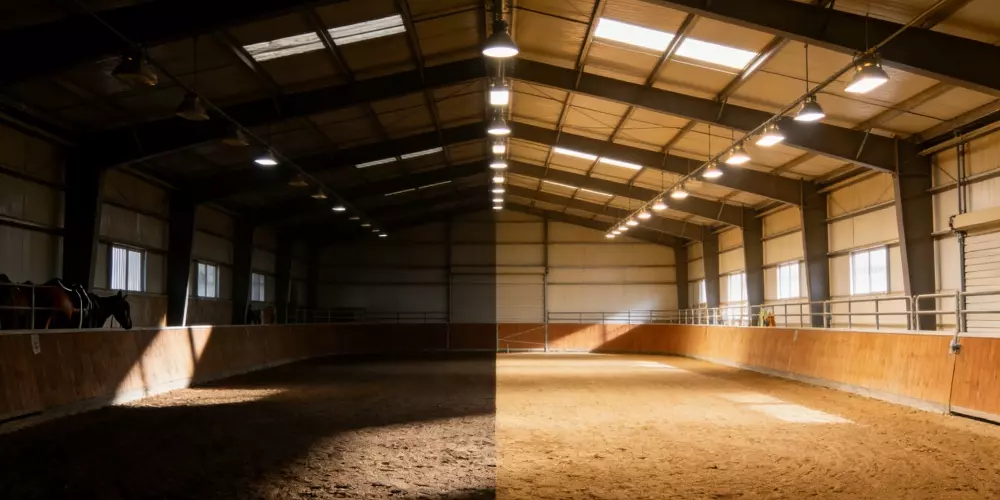
Para un caballo, una luz parpadeante o una mancha oscura en el suelo no solo indica mala visibilidad; parece un depredador o un agujero profundo. Si alguna vez has sentido a tu caballo dudar o asustarse en una esquina sin motivo aparente, sabes que la iluminación puede ser clave para una sesión de entrenamiento.
Si bien los reflectores genéricos pueden funcionar para un estacionamiento, las luces profesionales para pistas de caballos están diseñadas para un propósito muy específico: crear un entorno sin sombras ni reflejos que mantenga a los caballos tranquilos y concentrados.
Ya sea que esté renovando un granero interior polvoriento o planeando una nueva pista de salto al aire libre, esta guía le explicará todo lo que necesita saber. Desde las últimas normas de iluminación IESNA hasta la elección de las luminarias LED adecuadas que pueden reducir su factura de energía entre un 6 y un 7 %, lo tenemos cubierto.
Encendamos las luces.
Por qué es importante la visión sin sombras: comprender la visión equina
Para elegir la solución de iluminación deportiva adecuadaPrimero necesitas comprender cómo ve el mundo tu caballo. No estás simplemente iluminando un terreno; estás iluminando el entorno de un animal de presa con un sistema visual único.
El desafío de la percepción de la profundidad
Los caballos poseen un sistema de visión dual único. Mientras que utilizan la visión monocular para explorar su entorno con un amplio campo de visión, dependen de un estrecho campo de visión binocular directamente al frente para calcular la profundidad y la distancia.
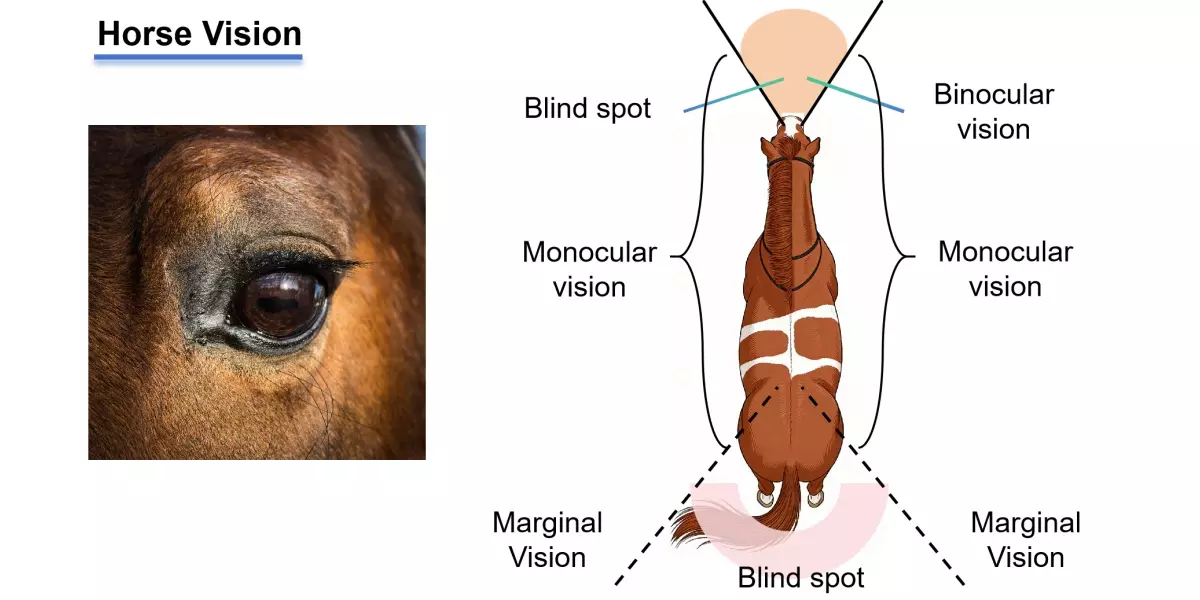
Este sistema los hace muy sensibles al contraste. Cuando los reflectores estándar crean sombras negras y duras en el suelo del estadio, se altera el procesamiento visual.
El efecto "agujero" : para un caballo que observa con visión monocular, una sombra oscura y plana a menudo parece indistinguible de un agujero físico o un desnivel.
Retraso de transición : Los ojos del caballo tardan en adaptarse entre zonas de luz intensa y zonas oscuras. Esta vacilación puede romper el ritmo de la cabalgata.
El resultado de una mala iluminación:
Esta confusión visual desencadena el instinto de huida del caballo, lo que lleva a:
Ø Asustamiento : Alejamiento repentino de los "monstruos" en los rincones oscuros.
Ø Vacilación : Negativa a avanzar hacia zonas sombrías.
Ø Rechazos de salto : Incapacidad para juzgar con precisión la línea de tierra o el punto de despegue debido a las sombras en la base del salto.
El efecto de luz estroboscópica (parpadeo)
¿Alguna vez has estado bajo luces fluorescentes viejas que zumban y parpadean? Es molesto para los humanos, pero estresante para los caballos.
Los equinos tienen una tasa de "fusión crítica de parpadeo" más alta que los humanos. Esto significa que pueden detectar parpadeos rápidos en bombillas antiguas de halogenuros metálicos o de sodio, que a nosotros nos parecen una luz fija. Este movimiento constante, similar a una luz estroboscópica, puede causar ansiedad leve en caballos sensibles.
La solución: alta uniformidad
El objetivo de las luces de los picaderos ecuestres modernos no es sólo el brillo, sino la uniformidad .
Mediante el uso de tecnología LED con óptica especializada, buscamos eliminar los puntos calientes (áreas demasiado brillantes) y las zonas oscuras. Un entorno sin sombras permite que el caballo se relaje, confíe en su pisada y se concentre por completo en las órdenes del jinete.
¿Cuáles son los estándares de iluminación para las pistas de caballos?
"¿Qué tan iluminada debe ser mi arena?"
Esta es la pregunta más frecuente que recibimos. Por suerte, no tiene que adivinar. La IESNA (Sociedad de Ingeniería de Iluminación de Norteamérica) ha establecido estándares específicos (RP-6-20) para áreas deportivas y recreativas.
Medimos este brillo en pies-candela (fc). Aquí está el desglose según el uso que le des a tu estadio:
1. Recreación y entrenamiento (trabajo de superficie)
Requisito: 20 - 30 pies-candela
Ideal para: graneros privados, instalaciones de alojamiento y trabajos de explanación en general.
El objetivo: En este nivel, la prioridad es la seguridad básica. Necesita suficiente luz para ver claramente los movimientos del caballo y asegurar una pisada segura, pero no necesita un brillo con calidad de televisión.
2. Competición de clubes y saltos (caza/salta/doma)
Requisito: 40 - 50 pies-candela
Ideal para: instalaciones de entrenamiento profesional, cursos de caza y salto y lugares de exposiciones locales.
El objetivo: velocidad y precisión.
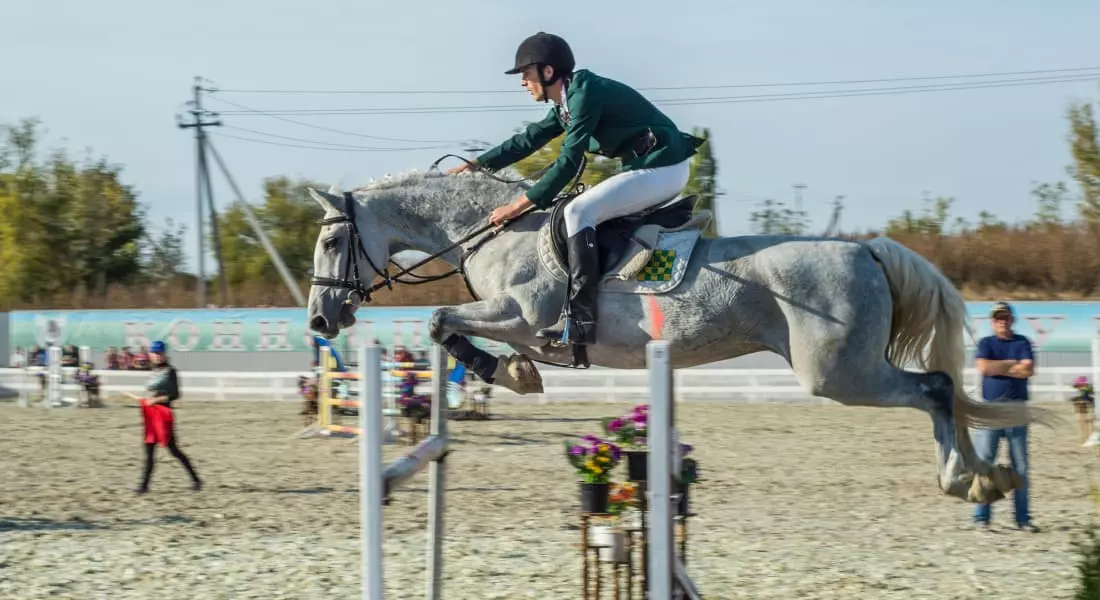
Para saltadores : una iluminación vertical alta es fundamental para que el caballo pueda ver claramente el riel superior y la línea del suelo de un salto mientras se mueve a velocidad.
Para doma : los niveles de luz más altos (CRI alto) ayudan a los jueces y espectadores a ver la definición de los músculos y el movimiento del caballo.
3. Profesional y radiodifusión
Requisito: 70+ pies-candela
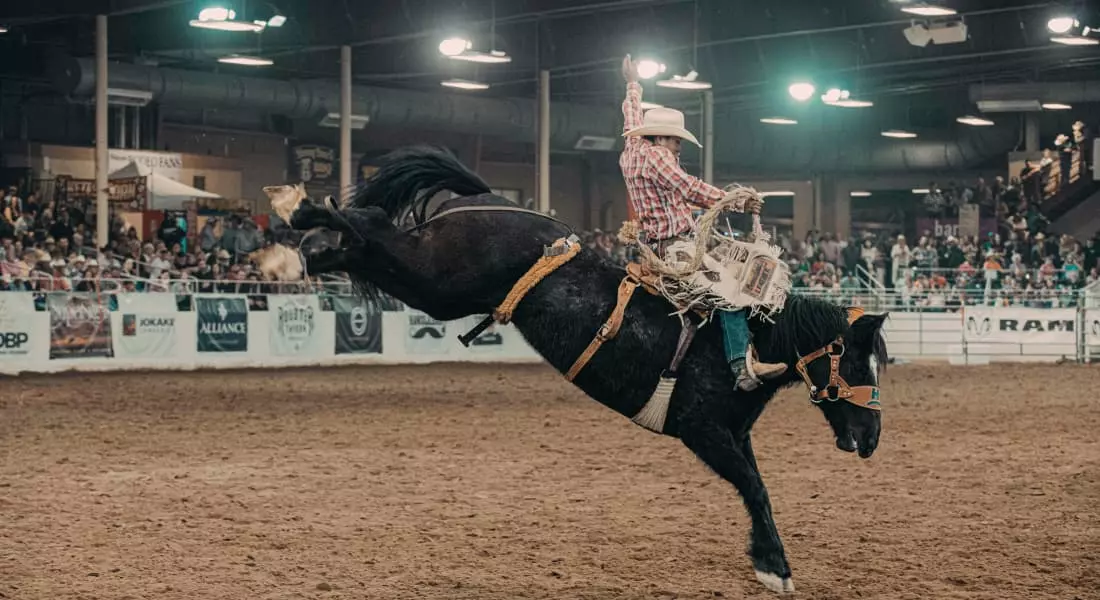
Ideal para: eventos regionales/nacionales, rodeos y competiciones televisadas.
El objetivo: Estos niveles son necesarios para que las cámaras de alta definición capturen imágenes en cámara lenta sin granulosidad.
La "regla 3:1" para la uniformidad
El brillo no es la única métrica. Un diseño de iluminación profesional debe cumplir con la relación de uniformidad de 3:1 .
Esto significa que el punto más brillante de la pista no debe ser más de tres veces más brillante que el punto más oscuro. Si la proporción es demasiado alta (por ejemplo, círculos brillantes bajo los postes y oscuridad total en el centro), a su caballo le costará adaptar la vista al moverse entre la luz y la oscuridad, lo que podría ponerlo en peligro.
Consejo profesional: No se base en conjeturas. Las luces de alta calidad para pistas equinas siempre deben incluir un análisis fotométrico (una simulación por computadora que comprueba que su diseño cumple con los estándares de bujías y uniformidad antes de comprar).
Iluminación de pistas ecuestres interiores y exteriores
Iluminar un establo cerrado y polvoriento requiere una estrategia completamente diferente a la de iluminar un campo al aire libre azotado por el viento. Así es como adaptamos las luces de la pista, aptas para equinos, a entornos específicos.
Iluminación de estadios interiores: cómo combatir el polvo y el deslumbramiento
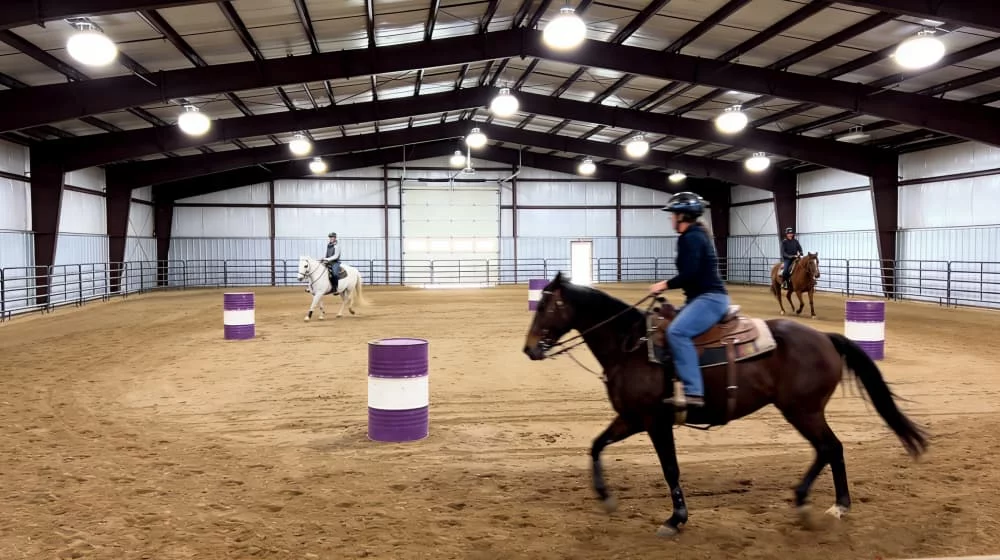
Los estadios cubiertos presentan dos desafíos importantes: alturas de montaje bajas y "polvo del estadio".
El problema del deslumbramiento : En muchas pistas cubiertas, las luces se instalan a una altura relativamente baja (entre 4,8 y 6 metros). Si se utilizan luces LED estándar de alta intensidad, los jinetes se deslumbrarán cada vez que miren hacia arriba durante un salto o un movimiento de doma.
La solución : Recomendamos luces LED lineales de bahía alta con lentes esmeriladas . A diferencia de las luces redondas tipo "OVNI" que crean un punto de luz concentrado, las luces lineales distribuyen el haz de luz sobre una superficie más amplia. La lente esmerilada difunde la luz, garantizando una luz suave para los ojos del conductor y eliminando las sombras intensas en el suelo.
El factor polvo : Los aditivos para cimentación y la arena crean un polvo fino que lo cubre todo. Si las luminarias no están selladas, el polvo se filtra y daña los componentes electrónicos.
Solución : Siempre especifique luminarias con clasificación IP66 . Esta clasificación significa que la luminaria es hermética al polvo y resistente al agua. Puede usar una manguera de alta presión para limpiar las vigas y las luces sin preocuparse por daños eléctricos.
Iluminación de estadios al aire libre: Cómo afrontar el clima y los vecinos
En los anillos al aire libre, la batalla es contra los elementos y, a veces, contra las personas que viven al lado.
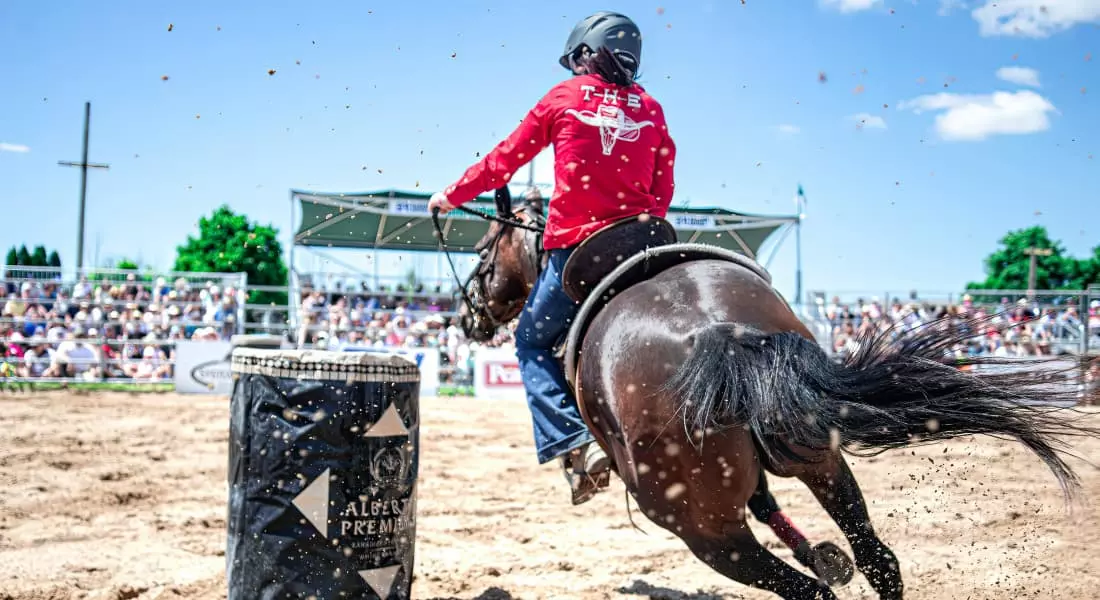
Resistencia a la intemperie (viento y lluvia) : Las luminarias de exterior deben soportar lluvias torrenciales, nieve y vientos fuertes. Nos centramos en la clasificación EPA (Área Efectiva Proyectada) . Una luminaria con una EPA baja es aerodinámica, lo que reduce la tensión en los postes durante una tormenta, lo cual es fundamental para la seguridad.
Control de derrame de luz (el factor vecino) : la queja más grande con la iluminación exterior es la "intrusión de luz", es decir, cuando las luces de su estadio brillan en el dormitorio de un vecino.
La solución : Las luces modernas para pistas de caballos pueden equiparse con protectores o visores de retroiluminación . Estas ópticas de precisión bloquean el haz de luz en el borde de la cerca. Esta tecnología garantiza que ilumine el terreno, no la casa del vecino, cumpliendo así con las ordenanzas locales sobre cielos oscuros.
Diseño y distribución: ¿cuántos postes necesitas?
Un error común es comprar las luces primero y luego decidir dónde colocarlas. Esto genera zonas oscuras y un gasto innecesario. Aquí tienes las reglas profesionales para el diseño de espacios.
La regla de oro para la altura de los postes
Para postes exteriores o nuevas construcciones interiores con techos altos, la altura de montaje ideal es de 25 a 30 pies .
(Nota: si tiene un granero interior existente con techos más bajos (16-20 pies), no se preocupe: nuestras luminarias lineales están diseñadas específicamente para minimizar el resplandor en alturas más bajas).
Ø Demasiado bajo (<20 pies) : el ángulo de la luz se vuelve demasiado horizontal, brillando directamente en los ojos del jinete y creando sombras largas y que distraen detrás del caballo.
Ø Demasiado alto (>40 pies) : si bien es excelente para la uniformidad, requiere camiones con canasta o grúas costosas para su instalación y mantenimiento. 25 a 30 pies ofrece el equilibrio perfecto entre rendimiento y accesibilidad.
Colocación estratégica de postes
Disposición interior : Nunca cuelgue luces directamente sobre la línea central (línea de CA). Si una luz está justo encima, proyecta la sombra del jinete sobre el caballo, y la del caballo sobre el suelo.
Práctica recomendada : Instale dos filas de módulos lineales High Bay espaciados uniformemente entre la línea central y la pared. Esto proyecta la luz desde los lados, rellenando las sombras.
Diseños para exteriores : para un estadio estándar de EE. UU. (por ejemplo, 100' x 200' o 150' x 250'), normalmente utilizamos un sistema de 4 o 6 postes .
Ø 4 postes : Un poste cerca de cada esquina (ligeramente desplazado). Ideal para uso recreativo.
Ø 6 postes : Añade dos postes en la línea central. Imprescindible para saltos y competición, ya que garantiza una alta uniformidad en todo el recorrido.
La importancia de la fotometría
Cada arena es única. No adivines.
Antes de comprar, solicite un plano fotométrico: una simulación 3D por computadora adaptada a su recinto. No solo calcula con precisión el número de luminarias necesarias, sus especificaciones técnicas (p. ej., potencia, ángulo de haz) y parámetros ópticos, sino que también simula la distribución más rentable.
Al identificar posibles puntos oscuros con antelación y optimizar el diseño de la iluminación, este plan le ayuda a ahorrar costos y al mismo tiempo garantizar que las necesidades de iluminación de su estadio se satisfagan por completo al precio más razonable.
Hoja de referencia para el comprador: Especificaciones de las luces para pistas de caballos
¿Listo para comprar? No te abrumes con la jerga técnica. Guarda esta lista en tu teléfono. Estas son las especificaciones indispensables para una instalación ecuestre segura y de calidad comercial.
Especificación | Valor recomendado | Por qué es importante |
Temperatura de color | 5000K (luz diurna) | Ideal para la atención y el contraste. Imita la luz del mediodía, lo que ayuda a los caballos a percibir la profundidad con precisión. |
CRI (Reproducción cromática) | Ra > 80 | Fundamental para la doma y la conformación. Muestra el verdadero brillo del pelaje y la definición muscular sin distorsión del color. |
Clasificación IP | IP66 | Listo para lavar. Totalmente sellado contra el polvo y los potentes chorros de agua. Imprescindible para entornos de graneros. |
Protección contra sobretensiones | Protector solar de 10 kV | Muchos graneros se encuentran en zonas rurales con redes eléctricas inestables. Esto protege su inversión de rayos o sobretensiones. |
Garantía | 5 - 10 años | Cambiar una luz a 9 metros de altura es costoso. Una garantía extensa garantiza fiabilidad y bajos costos de mantenimiento. |
Voltaje | 120-277 V o 480 V | Asegúrese de que el dispositivo acepte un amplio voltaje de entrada para soportar posibles fluctuaciones en el suministro eléctrico rural. |
Beneficios comerciales de la iluminación de las pistas equinas
Actualización a iluminación LEDPara una pista de caballos no se trata solo de una mejor visibilidad: es una decisión financiera estratégica y una mejora de seguridad fundamental para su propiedad.
Reducir los costes energéticos en un 67 %
Analicemos los cálculos. Una luminaria tradicional de halogenuros metálicos de 400 W consume en realidad unos 455 W si se tiene en cuenta el balastro. Al sustituirla por una luminaria LED de alta eficiencia de 150 W, se obtiene una mejor calidad de luz con un consumo un 67 % menor de electricidad.
(La misma lógica de eficiencia se aplica si reemplaza las potentes luces de estadio al aire libre de 1000 W con nuestras luces deportivas LED de 400 a 600 W: los ahorros se escalan con el tamaño del proyecto).
Para un granero comercial con iluminación de 4 a 5 horas por noche, esto se traduce en un ahorro de miles de dólares anuales. El ahorro de energía en las luces prácticamente se amortiza en 2 o 3 años.
Seguridad contra incendios: el peligro invisible
Los establos son entornos de alto riesgo, llenos de heno inflamable, virutas secas y polvo. Las bombillas tradicionales funcionan a temperaturas peligrosamente altas y pueden romperse, enviando vidrio caliente a la cama. Los LED funcionan a temperaturas mucho más bajas y están fabricados con materiales irrompibles. Cambiar a LED reduce la carga térmica en las vigas, lo que disminuye drásticamente el riesgo de incendio accidental. Es una tranquilidad invaluable.
Rendimiento de encendido instantáneo
Conducir en invierno ya es bastante difícil sin tener que esperar 15 minutos a que se calienten las luces de halogenuros metálicos. Las luces LED se encienden y apagan al instante. Ya sea para una fría sesión de entrenamiento por la mañana o para una revisión de emergencia a altas horas de la noche, obtendrás la máxima potencia en cuanto enciendas el interruptor.
Conclusión
La iluminación es una de las inversiones más importantes en infraestructura que realizará para sus instalaciones. Pero a diferencia de un tractor o una cerca nueva, una iluminación adecuada influye directamente en la confianza de cada caballo y jinete que entre en su pista.
No se conforme con rincones oscuros ni un resplandor cegador. Actualizar la iluminación profesional para pistas de equitación es una inversión en seguridad, rendimiento y el valor a largo plazo de su propiedad.
¿Estás listo para ver tu arena bajo una luz completamente nueva?
Cada pista es única. No adivines la seguridad de tus caballos.
Contáctanos hoy para un diseño de iluminación y estudio fotométrico gratuito.Indíquenos el tamaño de su arena (por ejemplo, 100x200) y su disciplina, y diseñaremos la solución de iluminación perfecta para su arena de caballos, adaptada específicamente a sus necesidades.
