_thumb.jpg)
卵生産のための鶏小屋の照明
冬になり日照時間が短くなると、鶏の産卵数が減っていませんか?そんな悩みを抱えているのはあなただけではありません。日照時間が短くなると、鶏の体内時計に「産卵数を減らす時期だ」という信号が送られます。でも、朗報があります。この自然な産卵数の減少は永久的なものではなく、産卵に適した鶏小屋の照明を設置すれば、完全に改善できるのです。
このガイドでは、高価な機器や複雑な配線を必要とせずに、理想的な日光環境を模倣した照明システムを構築する方法を学びます。以下の点を習得できます。
✅卵の生産を最大限に高める、科学的に証明された光の持続時間、明るさ、スペクトル
✅今日から実践できる、鶏小屋の照明設定のステップバイステップガイド
✅一貫した結果を得るための最高の赤色スペクトル LED ライトとタイマーシステム
✅鶏が一年中産卵し続けるための季節ごとの照明計画
文字通り、あなたの群れの生産性をピークに戻す方法を明らかにしましょう。
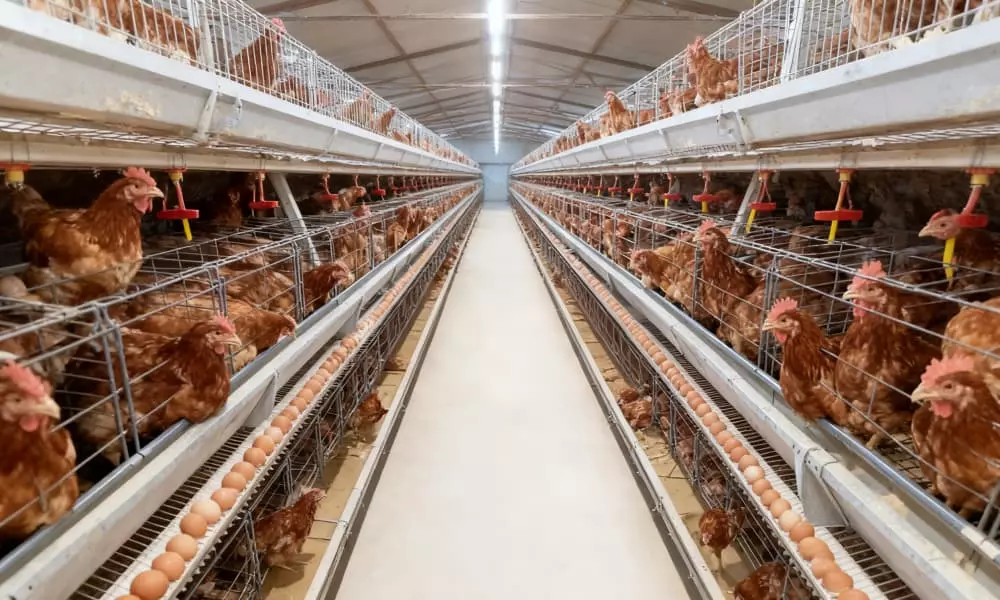
目次
光は鶏の卵生産をどのように制御するのでしょうか?
冬になると、鶏が突然卵を産まなくなることはありませんか?それは鶏が病気や寒さのせいではなく、鶏の体が温度ではなく光に反応しているからです。
鶏は光に敏感な動物です。日照時間が約12時間以下になると、鶏の体内時計は産卵を遅くしたり、完全に停止したりする信号を送ります。これは自然な生存本能ですが、安定した産卵量に頼る場合には問題となります。
良いニュースは?このスイッチを制御できるということです。
毎日適切な量の人工光を提供することで、飼料、品種、または住居を変更せずに、最も暗い月でも鶏が正常に産卵し続けることができます。
1日あたり14〜16時間の光を与えるだけで、 1〜2週間以内に産卵を再開できます。
大規模な納屋の改修は必要ありません。適切な光の持続時間、明るさ、スペクトルだけが必要です。
結果は実証済みです。農場では照明を適切に管理することで、一貫して卵の生産量が 15~30% 増加しています 。
次に、光が鶏の生殖器系を活性化する仕組みを科学的に分析し、この方法がなぜ機能するのかを正確に理解しましょう。
光が産卵に影響を与える理由― 科学的に解説
鶏にとって、光は単なる視認性の問題ではありません。それは、彼らの生殖システムを制御するマスタースイッチなのです。照明が産卵促進にこれほど効果的に作用する理由を理解するには、鶏が光をどのように認識し、体がどのようにホルモン反応を起こすのかを解明する必要があります。
1. 光周期と鶏の体内時計 – 14~16時間が最適な理由
鶏は光周期動物であり、体は日照時間の変化に反応します。自然界では、鶏は日照時間が長い春と夏に多くの卵を産み、日照時間が短くなる秋と冬には産卵を停止します。
しかし、なぜ正確に14〜16時間の光が必要なのでしょうか?
12 時間未満 → 鶏は「休息モード」に移行し、卵を産む代わりにエネルギーを節約します。
14~16時間 → 光は生殖器系を完全に活性化するのに十分な強さです。
16 時間以上 → 余分な卵は産まれず、過剰な光によりストレスや羽つつきが発生する場合があります。
この 14 ~ 16 時間の光サイクルは雌鶏の体内時計と同期し、繁殖に最適な季節であることを雌鶏の体に知らせます。
2. 光 → 脳 → ホルモン → 卵子
卵生産を支える養鶏照明の科学は、光が鶏の目だけでなく脳内の特殊な光受容体に到達することから始まります。その連鎖反応を簡略化して示すと以下のようになります。
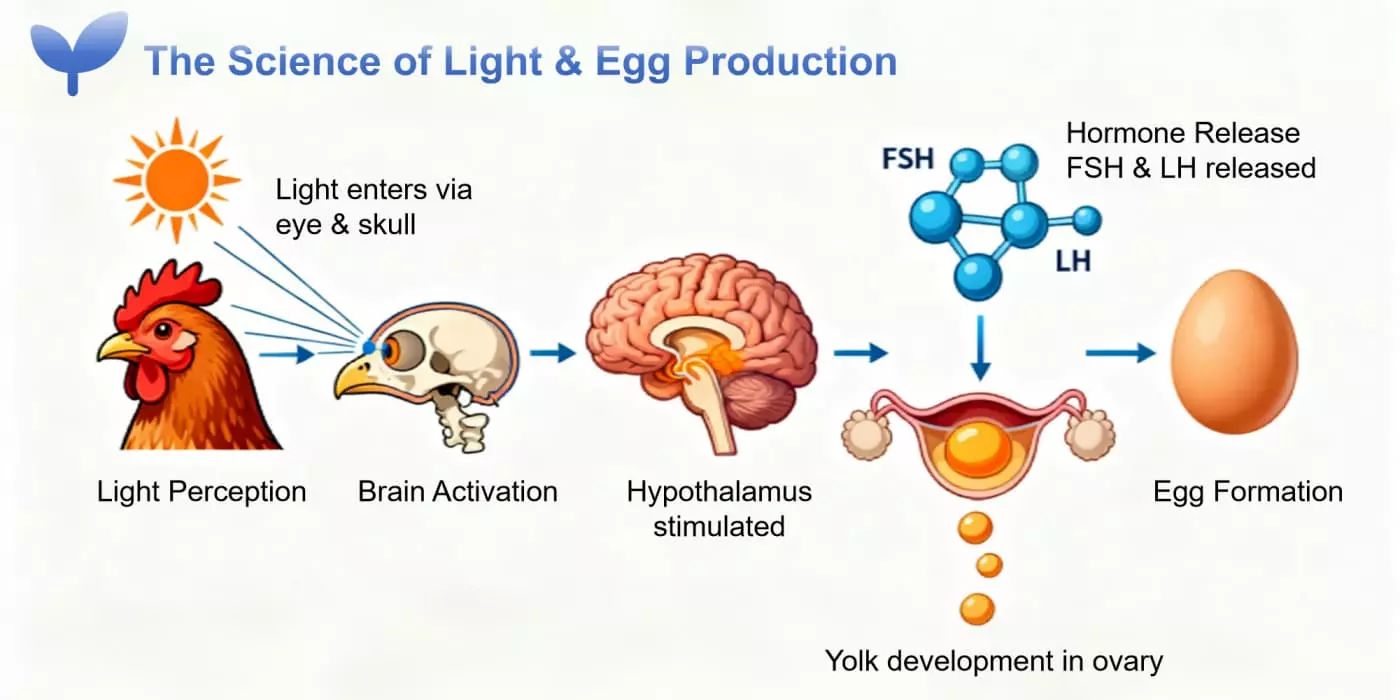
ステップ 1: 光は目と頭蓋骨から入ります。
鶏は網膜と薄い頭蓋皮膚の両方を通して光を感知できます。
ステップ 2: 視床下部の活性化
光は、生殖などの生物学的機能の調整を担う脳の一部である視床下部を刺激します。
ステップ 3: 下垂体がホルモンを放出します。
視床下部は下垂体に 2 つの重要な生殖ホルモンを放出するよう促します。
FSH(卵胞刺激ホルモン)– 卵胞を刺激して卵黄を成長させる
LH(黄体形成ホルモン)– 排卵と卵子の放出を誘発する
ステップ 4: 卵子の生産が始まる
卵黄が成熟すると、卵管を通って移動し、卵白、膜、殻が形成され、約 24 ~ 26 時間ごとに 1 個の卵子が生産されます。
✅ このプロセスは、毎日一貫して十分な時間光にさらされた場合にのみ継続されます。
3. 冬に鶏が産卵をやめる理由
冬には、卵の生産に不利に働く 2 つの主な環境要因があります。
冬の要因 | 鶏への影響 | 結果 |
日照時間が短い(12時間未満) | 視床下部は光を十分に受けない | FSHとLHの産生が減少する |
寒い気温 | 鶏の体は暖かさと生存を優先する | 卵形成に必要なエネルギーが少ない |
自然な季節の本能 | 鶏は繁殖のためではなく健康のために栄養を蓄える | 産卵が遅くなったり止まったりする |
日照時間が 12 時間未満になると、ホルモンレベルが低下し、卵胞の発育が止まり、卵子の産出量が劇的に減少します。
しかし、これは生物学的活動の恒久的な停止ではなく、単に光量の減少に対する反応です。人工照明によって14~16時間の安定した光が回復すると、ホルモンの活動が再開し、産卵プロセスが自然に再開されます。
冬の具体的な対策については、冬季鶏小屋の照明に関する新しいガイドをご覧ください。。
4. 研究と生産の指標が示すもの
鶏小屋の照明に関する研究 生産に対する実際的な影響を明らかにし、農家や家庭菜園経営者にとって実践的なヒントとしてここに提示します。
インジケータ | 卵生産者にとっての重要なポイント |
平均産卵率 | 14~16時間の安定した光照射は、高い生産性を維持するのに役立ちます。数ヶ月にわたって、毎日産卵する方が自然光のみの場合よりも安定します。 |
平均卵重量 | 光への曝露量が増加しても飼料が変化しない場合、卵の重量はわずかに減少する可能性があります。最適な卵の大きさを維持するために、十分なタンパク質とカルシウムを確保してください。 |
軟卵率 | 段階的で安定した光は、軟殻卵の発生を抑えます。特に赤色スペクトルの光は、殻の欠陥を最小限に抑えるのに効果的です。 |
卵の割れ率 | 均等に分散された LED 照明は、ストレスを軽減し、餌箱や巣箱の周りの混雑を軽減して、破損を減らします。 |
実用的なヒント:適切な照明とバランスのとれた栄養、段階的な光の変化を組み合わせることで、卵の生産量を最大化し、卵の品質を維持できます。
生産性の高い鶏小屋照明の3つの柱
産卵量を増やすには、鶏の照明は単に「電球を点灯する」以上の効果が必要です。鶏が一年を通して安定して産卵できるかどうかは、照明時間、照明強度、照明スペクトルという3つの要素によって決まります。これらを適切に設定すれば、ほとんどの鶏は7~14日以内に産卵を再開します。

1. 光の持続時間 – 毎日14~16時間の光を維持する
光照射時間(光周期とも呼ばれます)は、産卵を促す上で最も重要な要素です。鶏は 生殖ホルモンを活性化させるために、毎日14~16時間の連続した光を必要とします。
✅ 一貫性が重要な理由
光は徐々に追加する必要があり、8 時間から 16 時間へ急激に増加しないでください。
急激な変化は鶏の体内時計を混乱させ、ストレスや羽毛の喪失、産卵の完全な停止を引き起こす可能性があります。
推奨される方法は、1 週間に 30 分ずつ光を増やしていき 、最終的に 14 ~ 16 時間に達することです。
✅ 自動タイマーが必要な理由
手動でスケジュールを管理するのはほぼ不可能です。朝や夕方の光セッションを 1 回でも逃すと、鶏の体内時計がリセットされる可能性があります。
➡推奨ソリューション: 「これは、 Ceramiclite IDSコントローラーのような自動コントローラーが必要な場所です。
は、必要不可欠です。毎日の照明スケジュールを正確に設定し、指一本動かすことなく、正確な時間に照明を点灯・消灯します。」
2. 光の強さ – 5~10ルクスで十分
鶏は明るく強烈な光を必要としません。実際、光が多すぎるとストレスや攻撃性を引き起こす可能性があります。研究によると、産卵には5~10ルクス(早朝の太陽光程度の明るさ)が理想的です。
✅ Lux とは何ですか?
ルクスは、表面に到達する可視光の量を測定します。
5ルクス = 薄暗い廊下
10ルクス = 柔らかな室内照明
✅ 鶏小屋のルクス測定方法
実験ツールは必要ありません。スマートフォンと無料の露出計アプリだけが必要です。
鶏の頭の高さに立ってください。
巣の場所、止まり木、角など、いくつかの場所を確認してください。
暗い影や明るいぎらつきのない均一なカバーを目指します。
✅ 均一な照射を実現する最適な照明器具
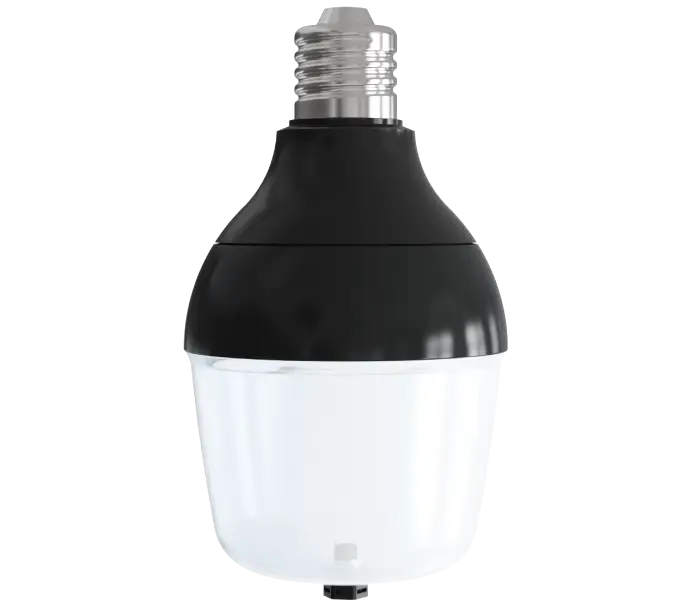
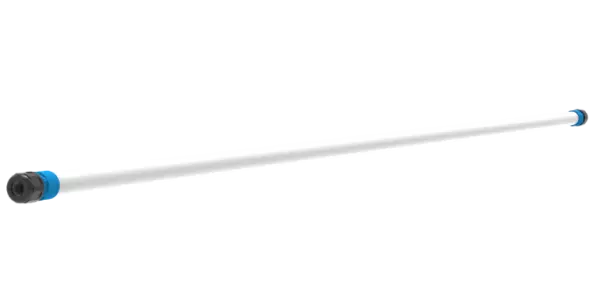
➡ 「鶏舎全体に影のないバランスの取れた照明を実現するには、D80 LED電球と T5 LEDバーンライトの使用をお勧めします。これらの製品は、広い照射角、低いグレア、そして安定した出力を備えており、養鶏環境に最適です。」
3. 光スペクトル – 赤色光は卵子の生産を促進する
すべての光色が鶏に同じように影響を与えるわけではありません。赤色光(620~750 nm)は、 青色光や白色光よりも生殖器系を効果的に刺激することが証明されています。
✅ なぜレッドライトが機能するのか
赤色の波長は頭蓋骨のさらに奥深くまで浸透し、視床下部に到達します。
これにより下垂体が刺激され、卵子の生成に不可欠なFSH および LH ホルモンがより多く放出されます。
赤色光はメラトニン(睡眠ホルモン)のレベルも下げ、鶏を活発にさせ、産卵を促します。
✅ 赤 vs. 白 vs. 青の光
ライトタイプ | 鶏への影響 | 推奨? |
ブルーライト | 鎮静、動きを軽減 | ✔ 育雛用、✖ 産卵用ではありません |
白色光(クール/ニュートラル) | 一般的な視認性、敷設に中程度の影響 | ✔ 許容範囲 |
赤色光(620~750 nm) | 生殖ホルモンを強く刺激し、ストレスを軽減します | ✅ 卵の生産に最適 |
✅ おすすめ商品
➡ 「産卵効率を最大限に高めるには、セラミクライトD80 LED電球 (赤色スペクトル)をご使用ください。科学的に調整された赤色波長の光で、産卵をサポートすると同時に、鶏を穏やかで快適な状態に保ちます。」
鶏小屋の照明設置計画(ステップバイステップ)
照明を単なる明るい鶏舎ではなく、本格的な産卵に変えるには、体系的な設置が必要です。この章では、適切な照明器具の選び方、正しい設置方法、そして安定した産卵のための照明サイクルの自動化まで、すべてを解説します。
✅ステップ1:鶏小屋のサイズを計算し、適切な備品を選択する
鶏小屋のサイズや天井の高さに応じて、必要な照明器具と数量が異なります。
鶏小屋のサイズ | エリア | 推奨器具 | 量 (10㎡あたり) | 注記 |
小さい | 10㎡未満 | セラミクライト T5 LEDチューブ | 1~2ユニット | 天井が低く、配線が簡単 |
中くらい | 10~30㎡ | セラミクライト T8 LEDチューブ | 2~4ユニット | ほとんどの裏庭鶏小屋 |
大きい | 30~60㎡ | T8 + T5の組み合わせ | 4~6ユニット | 暗い場所を避ける |
大きな納屋 / 高い天井 | 60平方メートル以上または高さ3メートル以上 | セラミクライト T21 LED バーンライト | 20~25㎡あたり1ユニット | 明るさとカバー範囲の向上 |
鶏舎にT21を選ぶ理由とは?
高いルーメン出力と広い光拡散を実現し、天井の高い鶏舎(3m以上)に最適で、床や巣のエリアに光が届きます。
| LEDバーンライトT5 | LEDバーンライトT8 |
| 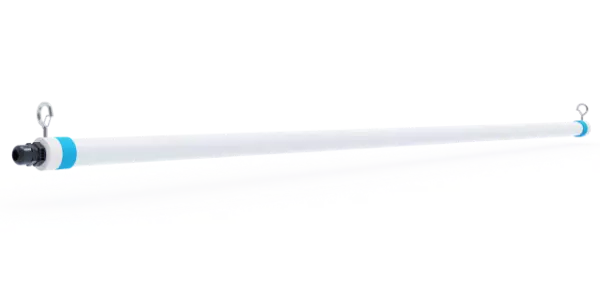 |
| LED電球 D80 | LEDバーンライトT21 |
| 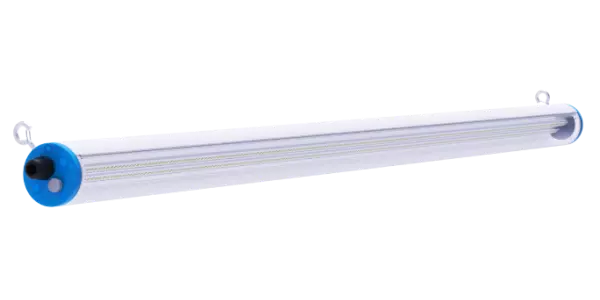 |
✅ステップ2:最適なライトの配置と取り付け高さ
目標: 影や暗い部分のない均一な光の分布。
セットアップ要素 | おすすめ |
取り付け高さ | 小型・中型鶏小屋では2~2.5メートル、納屋型鶏小屋では3~4メートル |
レイアウトスタイル | 狭い/棺桶型の鶏小屋の場合は直線状の列、大きな納屋の場合はグリッドレイアウト |
ライト間の間隔 | T5/T8管間1.5~2m、T21器具間3~4m |
避ける | 鶏の目に直接光を当てたり、暗い餌場や巣の場所を作ったりする |
餌箱、ねぐらの柵、巣箱に光が届くようにしてください。これらの場所は、鳥が食事や産卵を行う最も活発な場所です。
✅ステップ3:自動化 - タイマーと段階的な照明増加
手動による切り替えは信頼性が低く、鶏のホルモンリズムを乱します。安定した卵生産には自動化が不可欠です。
✔ 設定するもの:
自動タイマー またはIDSスマートコントローラーを使用する
日の出前に照明を点灯する (例:冬は午前4時30分)
日没後の夜間照明を延長し 、14~16時間の総照明を維持する
⚠ 段階的な増加が重要な理由:
1 日の照明時間を 10 時間から 16 時間に急増させると、鶏にストレスがかかり、一時的に産卵が止まる可能性があります。✔
正しい方法:照明時間を 1 週間ごとに 15 ~ 30 分ずつ増やします。
✅冬のライトスケジュール例
週 | 総光時間 | 推奨タイマー |
第1週 | 12時間 | 点灯時間:午前5時30分~午前7時 |
第2週 | 12.5時間 | 点灯時間:午前5時15分~午前7時15分 |
第3週 | 13時間 | 点灯時間:午前5時~午前7時30分 |
第4週 | 14時間 | 点灯時間:午前4時30分~午後8時 |
✅概要チェックリスト
✔ 適切な照明を選択してください(鶏小屋のサイズと高さに基づいて、T5、T8、またはT21)
。✔ 暗い場所がないように、ライトを均等に設置します
。✔ 完全にカバーできるように適切な高さに設置します
。✔ タイマーを使用して、照明時間を徐々に増やします。
季節ごとの鶏小屋照明ガイド(冬、夏、春/秋)
光の必要性は季節によって変化します。完璧なシステムを構築したとしても、年間を通して調整を怠ると、鶏にストレスを与え、産卵数を減らしたり、過剰な刺激を与えたりする可能性があります。この季節ごとのガイドを活用して、鶏が安定して快適に産卵を続けられるようにしましょう。
1. 冬 – 朝または夕方の光を追加して14~16時間維持する
冬は日照時間が短く、自然光が8~10時間程度にまで減ることがよくあります。補助照明がなければ、鶏は自然に産卵をやめてしまいます。
照明戦略:
✔ 早朝(例:午前5~6時)または夕方早めに人工照明を追加します。✔
1日あたりの光照射時間を14~16時間に保ちます。
朝の光が優れている理由:
夕方のみの照明は突然消えてしまう可能性があり、鶏は止まり木に止まる前に暗闇の中に取り残され、ストレスを感じてしまいます。
朝の光は自然に日の出を模倣し、鶏が徐々に目覚めるのを助けます。
冬のヒント:
人為的エラーを防ぐために、自動タイマーまたは IDS コントローラーを使用します 。
光の照射時間をゆっくりと増やしてください。ただし、1 週間に 30 分を超えないようにしてください。
鶏小屋が乾燥していて隙間風が入らないようにしてください。光だけでは劣悪な飼育環境を補うことはできません。
2. 夏 – 過度の露出と熱中症を防ぐ
夏は自然と日照時間が長くなり、時には15~16時間以上になります。光量を増やしても産卵数は増えず、鶏に過剰な刺激を与えてしまう可能性があります。
照明戦略:
✔総照明時間が 16 時間を超えないようにしてください。✔
日照時間が長すぎる場合は、自然な遮光や遮光カーテンを設置してください。
夏のヒント:
16 時間を超える光は、攻撃性、つつき行動、ストレスを増大させる可能性があります。
適切な換気を維持してください。光は活動を増加させ、熱を増加させます。
非常に明るい光は避けてください。夏でも 5 ~ 10 ルクスで十分です。
3. 春と秋 – 移行期 = 穏やかな調整
春と秋は、照明を徐々に調整し、鶏を季節の変化に備えさせるのに最適な時期です。
照明戦略: ✔ 14~16時間になるまで、毎週30分
ずつ照明を調整します。✔毎週同じ時間に調整します。一貫性が重要です。
春/秋の重要なヒント:
初秋には、鶏が自然に産卵をやめる前に光を加え始めます。
春には、ホルモンの変動を避けるために、一定の照明を維持します。
突然の照明の減少は避けてください。脱皮を引き起こしたり、卵の周期を乱したりする可能性があります。
✅季節別照明概要表
季節 | 照明戦略 | 重要なヒント |
冬 | 朝/夕方の光を追加して14~16時間に達する | タイマーを使用する。突然の消灯は避ける。徐々に増やす。 |
夏 | 合計16時間以下の光を保ち、日陰を作る | 熱中症や過度な刺激を防ぐ |
春 / 秋 | 照明を週30分ずつ調整する | スムーズな移行、一貫性の維持 |
鶏小屋の照明に関するよくある間違いトップ3とその解決策
経験豊富な養鶏家でも、照明のミスで産卵数が減ってしまうことがあります。幸いなことに、そのほとんどは簡単に修正できます。
(1) 照明スケジュールの不一致
⚠ 問題:
照明が手動で、または不規則な時間にオン/オフされます。これにより鶏の生物学的リズムが乱れ、FSH(卵胞刺激ホルモン)の産生が減少し、産卵が不規則になったり、産卵が止まったりすることがあります。
✔ 解決策:
自動タイマーまたは IDS インテリジェント コントローラーを使用して、14 ~ 16 時間の一貫した光サイクルを維持します。
ストレスを避けるため、突然の変更は避け、1 週間に 15 ~ 30 分ずつ徐々に光の持続時間を増やしてください。
(2) 光のスペクトルが間違っている(白すぎる、または青すぎる)
⚠ 問題:
多くの鶏小屋では、クールホワイトまたは青色のLEDライトが使用されています。これらの波長はメラトニンの分泌を抑制し、視床下部と下垂体を効果的に刺激しないため、産卵数が低下します。
✔ 解決策:
生殖ホルモンをより効果的に刺激するには、赤色スペクトルの照明(620~750 nm)を使用します 。
推奨製品: D80 赤色スペクトル LED 電球- 産卵鶏向けに最適化されており、長期間の露出にも安全です。
(3) 光量の不均一性または不足
⚠ 問題:
鶏小屋の隅が暗かったり、照度が5ルクス未満 だったりすると、鶏は活動しなくなり、餌場を避け、産卵量が減少します。また、明るすぎる光(20ルクス以上)は、攻撃性やつつき行動を引き起こすこともあります。
✔ 解決策:
鶏小屋全体に5 ~ 10 ルクスの光が均等に分散されるよう にしてください。
広角でちらつきのない照明には、Ceramiclite T5、T8、または T21 LED チューブ ライトを使用します。
ライトを天井の高さに均等に配置し、スマートフォンの照度計アプリを使用して明るさを測定します。
重要なポイント:
安定したタイミング + 正しいスペクトル + 適切な明るさ = 高価な設備なしで卵の生産量が 15~30% 増加します。
結論
鶏小屋における照明は、単に視認性を高めるためだけのものではありません。ホルモン、産卵、そして鶏群全体の生産性を制御する生物学的スイッチなのです。照明時間、強度、そしてスペクトルが適切に設定されていれば、鶏はより安定して産卵し、より健康を維持し、冬を含め年間を通して生産量を維持できます。
適切な照明戦略を適用することで、次のようなメリットが得られます。
卵子の増加: 1~2週間以内に15~30%増加。
より健康な鶏: ストレスが減り、免疫力が高まり、産卵休止が減ります。
予測可能な生産性: 季節的な落下やランダムな敷設パターンがなくなります。
スマートな照明で、よりスマートな農業を。鶏たちが季節を問わず、毎日、最大限の産卵能力を発揮できるようにしましょう。
Ceramicliteはいつでもあなたをサポートします!