_thumb.jpg)
LED网球场照明:提高能见度并降低成本
目录
介绍
对于网球这项节奏极快的运动来说,照明不仅仅是辅助工具,它与球拍本身一样至关重要。哪怕是一次闪烁、一个暗点或一瞬间的眩光,都可能葬送比赛的关键时刻。
随着全球标准的转变, LED网球场照明 已成为现代化场馆的首选。但改用LED照明不仅仅是为了让光线更亮;它还能解决场馆在财务和运营方面面临的具体问题。
无论您管理的是私立学院、公共公园还是家庭球场,升级改造的影响都是立竿见影的:
l 致网球俱乐部业主 (投资回报率和声望):立即节省 50-70% 的电费。高质量的照明设备不仅能降低运营成本,还能以专业、“广播级”的视觉效果吸引新会员。
市政管理人员请注意( 安全且维护成本低):无需每两年租用一次高空作业车。LED灯寿命超过5万小时,既能确保公共安全,又能免去频繁更换带来的高昂费用和麻烦。
对于追求极致性能的玩家而言 :体验至关重要。现代 LED 灯提供稳定、接近日光品质的光线(5000K),让玩家能够瞬间追踪球的旋转轨迹,而不会被眩光晃眼。
在本指南中,我们将带您了解有关室外网球场 LED 照明的所有信息——从关键的球场尺寸和成本细分到根据您的预算选择合适的防眩光功能。
网球场尺寸和照明尺寸
在为您的LED网球场灯选择合适的功率或光束角度之前,您必须先确定需要照明的确切区域。一个常见的错误是只计算球场线的照明,而忽略了球员在比赛中移动的关键区域——跑动区域。
为确保安全性和可玩性,您的照明方案必须覆盖整个“总游戏区域”。以下是您需要了解的标准尺寸:
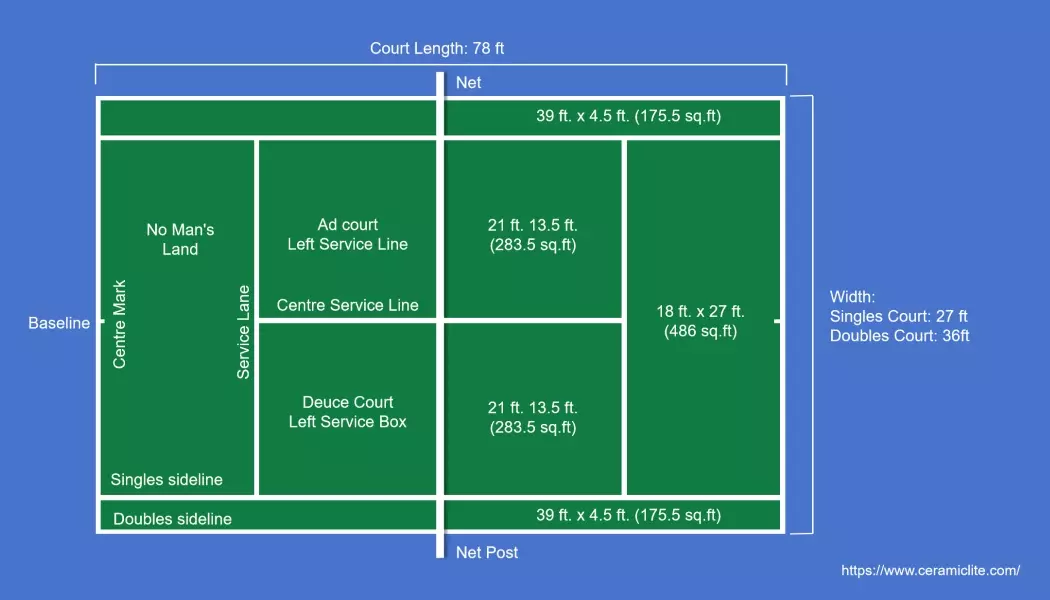
标准网球场尺寸
单打 场地:长 78 英尺 x 宽 27 英尺(23.77 米 x 8.23 米)
双打 场地:长 78 英尺 x 宽 36 英尺(23.77 米 x 10.97 米)
总照明面积(最重要的指标)
照明设计不应止步于双打边线。必须照亮延伸至围栏的区域,以便球员能够安全地追赶深远的吊球和偏离球门的发球。
标准休闲球场(围栏到围栏):120 英尺 x 60 英尺(36.57 米 x 18.29 米)
专业提示: 对于锦标赛级别的场地,为了符合国际网球联合会 (ITF) 的标准,跑道区域可能更大。订购照明模拟服务前,请务必测量您场地围栏之间的距离。
灯杆高度如何影响您的照明选择?
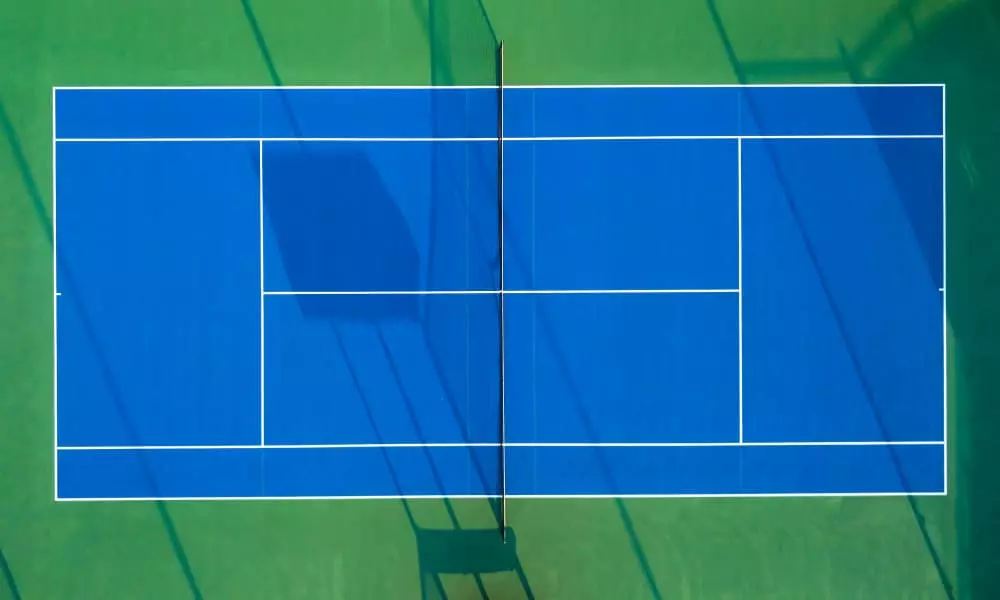
球场的尺寸与灯杆的高度直接相关。安装高度决定了所需的灯具数量以及实现均匀光照分布所需的照射角度。
标准住宅/俱乐部建筑高度:20英尺 – 22英尺
挑战:如果角度不当,较低的灯杆会产生更多眩光。您可能需要特殊的“平面”光学元件,才能将光线投射到球场上而不使球员视线受阻。
标准比赛高度:27 英尺 – 33 英尺(及更高)
优点:较高的灯杆通常能提供更好的光线均匀性。但是,它们需要流明输出更高的灯具,以确保有足够的光线照射到地面。
了解这些物理限制是第一步。一旦你知道了覆盖面积(通常每个球场为 7200 平方英尺)和电线杆高度,你就可以精确地确定需要多少电力才能让黑夜如同白昼。
为什么要升级到LED网球场照明灯?
如果您仍然依赖传统的金属卤化物灯 (MH) 或高压钠灯 (HPS),您很可能面临维护成本上升、照明不均匀以及球员不满等问题。将 室外网球场照明改为 LED 照明不仅仅是一种现代化潮流,更是一项具有战略意义的财务和运营升级。
这就是为什么设施管理人员和房主纷纷赶着将旧系统改造为LED照明的原因:
1. 大幅节能(减少 50-70%)
升级最直接的影响体现在成本控制上。一个标准的1000瓦金卤灯,加上镇流器,实际耗电量约为1100瓦。相比之下,高性能LED灯具仅需300至450瓦即可提供卓越的亮度。
这意味着能源消耗可降低 50% 至 70%。对于每晚开灯 4-5 小时的俱乐部来说,仅电费一项,每年就能节省数千美元。
阅读更多: 如果您正在犹豫是否值得投资,请阅读我们关于“ 我应该将网球场照明升级为 LED 灯吗?”的详细分析。
2. 即时开关技术
老式照明需要耐心。金卤灯需要15到20分钟才能达到全亮度。如果遇到暴风雨或断路器跳闸,您必须等待一段时间“冷却”后才能重新开启。
LED灯在这里发挥了颠覆性的作用。它们 无需预热时间即可实现即时开关。这意味着您可以在比赛间隙关闭灯光以节省电费,并在球员踏上球场的那一刻立即重新打开它们。
3. 出色的可视性和球体追踪性能
你是否曾经在老式路灯昏暗的橙色灯光下难以追踪快速移动的小球?这是由于显色指数(CRI)低造成的。
现代LED灯具有高显色指数(CRI > 70 或 > 80),色温通常在5000K左右(日光白)。这种清晰明亮的白光使网球的黄色在蓝色或绿色的球场背景下更加醒目。这种对比度的提升使球员能够更快地做出反应,并更有信心地比赛。
选择将照明系统改造为 LED 灯,你不仅仅是在购买灯具;你购买的是更好的游戏体验和更低的电费。
了解光质量:哪些因素最重要?
在选择网球场LED照明灯具时,许多买家会犯一个错误,那就是只关注功率。然而,同一品牌的500瓦灯具,不同品牌的性能可能截然不同。为了确保专业的比赛环境,您需要超越功率消耗,更加关注灯具的光度性能。
以下是定义高质量网球场LED照明系统的四个技术指标:
1. 亮度级别(勒克斯 vs. 英尺烛光)
球场亮度应该多高?答案取决于比赛双方。照度的标准计量单位是勒克斯(在美国也称为英尺烛光)。
l 三级(休闲和住宅):200-300勒克斯。 足以满足休闲游戏、匹克球和后院球场的需求。
l II 类(俱乐部和训练):300–500 勒克斯。 网球俱乐部、高中球队和商业设施的标准。
一级 (国家和国际比赛):500–750+ Lux。 电视转播赛事和专业锦标赛需要捕捉高速运动画面。
2. 均匀度比率(隐藏指标)
如果亮度不均匀,那么亮度就毫无意义。想象一下,你试图击打一个从明亮区域飞向阴影的球——你的深度感知会立刻失效。
均匀度 是指球场上最低光照强度与平均光照强度的比值。高质量的LED照明系统力求达到 0.6至0.7或更高的均匀度比值。这确保了球场中心不会出现“热点”,角落也不会出现“暗区”,从而为比赛提供一致的光照环境。
专家建议:要实现完美的均匀照明效果,需要进行专业的模拟。请阅读我们的指南《 如何设计您的网球场照明?》了解更多信息。
3. 色温 (CCT)
对于运动照明而言,灯光颜色会影响运动员的能量和视觉敏锐度。我们强烈建议使用 5000K 至 5700K(冷白光)。
与老式钠灯(3000K)的黄色色调不同,冷白光更接近自然日光。这种特定光谱已被证实能够增强对比度,使人眼更容易瞬间将黄色的网球与球场表面区分开来。
4. 眩光控制和非对称光学
网球运动的独特之处在于,球员在发球和扣杀时经常需要直视灯光。普通的泛光灯会产生刺眼的眩光,使球员暂时失明。
顶级网球场LED照明采用 非对称光学技术 和专用透镜。这些设计将光束向前向下投射到球场表面,形成清晰的截止线,防止光线泄漏。这既能保护球员的眼睛,又能最大限度地减少围栏外的光污染(溢出光),从而避免打扰邻居。
LED网球场照明灯的使用寿命有多长?
设施管理人员最常问我们的问题之一是: LED网球场灯能用多久?
简而言之:非常长的时间。安装专业级LED灯具后,其使用寿命可达 5万至10万小时以上。
举例来说,即使你 每天 让球场照明灯运行12 小时——这对于繁忙的商业设施来说是很常见的——一个 50,000 小时的 LED 灯具仍然可以使用超过 11 年 而无需更换一次。
“L70”标准:了解寿命
与传统灯泡突然“烧坏”或爆裂不同,LED灯的亮度会随着时间的推移而缓慢衰减。在照明行业,我们使用 L70寿命 来衡量这一点。
L70 寿命等级为 50,000 小时,意味着使用 50,000 小时后,灯泡仍能保持 初始亮度的 70%。它不会停止工作,只是亮度会逐渐降低。这比金卤灯有了巨大的改进,金卤灯在使用最初两年(约 5,000 小时)内亮度就会下降 40-50%。
然而,在 Ceramiclite ,我们坚持提供我们的运动照明解决方案。达到更高的标准——L80/L90 等级。
我们专门的运动照明产品系列经过测试,可在数十年内保持接近原始亮度:
SL03 和 SL04 系列:这些高级灯具的 L90 额定寿命为 51,000 小时(@45°C)。
这对您意味着:经过 51,000 小时的高温运行,我们的照明设备仍能保持 90% 的初始亮度。当其他球场的照明设备逐渐变暗时,您的球场照明设备仍将像第一天一样明亮。
| SL03系列 | SL04系列 |
|
|
|
|
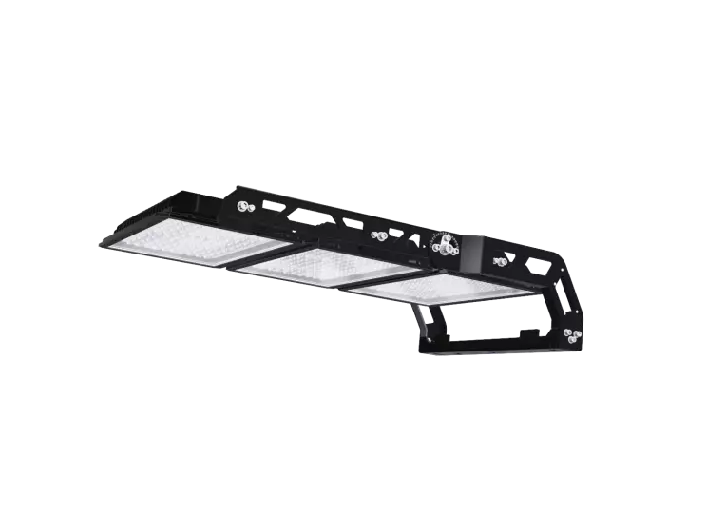
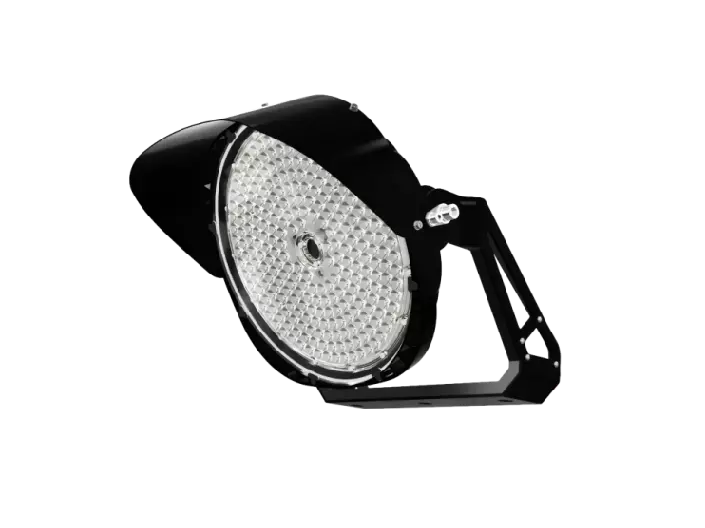


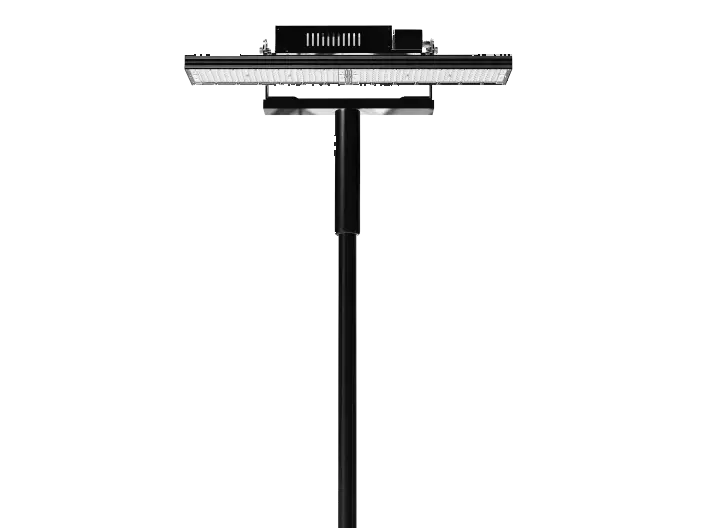
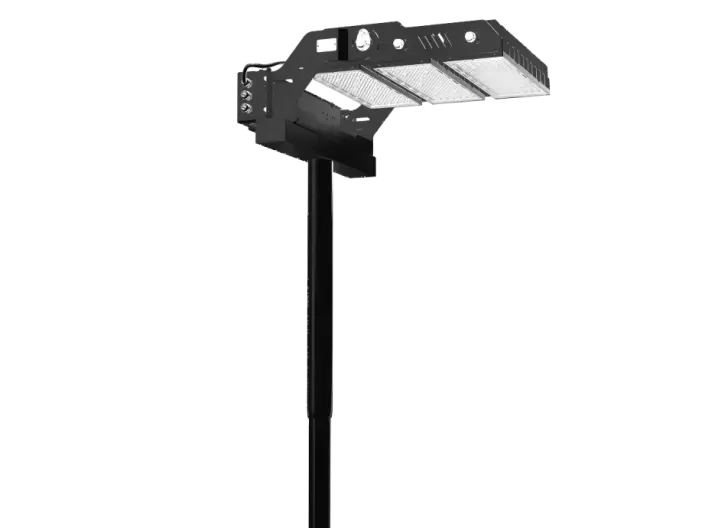
SL05 和 SL06 系列:专为实现最长使用寿命而设计,这些产品在 102,000 小时后达到 L80 等级。
| SL05系列 | SL06系列 |
 |  |
|
|
告别维护烦恼
这种长寿命的真正价值不仅在于灯泡本身,还在于节省的维护成本。
更换网球场照明灯不像更换客厅灯泡那么简单。它需要租用重型升降车或吊车,聘请专业电工,并关闭球场进行维护。
使用LED网球场照明灯,您可以免去这些重复性费用。安装后,它们几乎无需维护,可长达数十年,让您安心无忧,并确保球场始终开放供人使用,而不是因维修而关闭。
LED网球场照明成本及投资回报率
在考虑升级时,每位设施经理首先想到的问题是:这将花费多少钱?
坦诚相待至关重要:LED网球场照明的前期成本确实高于购买传统灯泡。然而,仅仅将其视为一项支出是错误的;这是一项资本投资,最终将通过运营成本的节省而收回成本。
以下是您的资金流向以及回流速度的明细。
固定装置成本
专业级LED灯具的价格通常在 每盏400美元到1500美元之间。为什么价格范围如此之大?
低端 产品(400-600美元):通常是普通的泛光灯。虽然价格便宜,但可能缺乏专门的网球光学设计(会导致眩光),而且保修期较短。
高端 产品(800-1500美元):专业运动照明产品(例如我们的SL系列)。这些产品包括用于减少光线溢出的专用非对称透镜、高耐久性驱动器以及10年使用寿命。
注:对于一个需要 4 到 8 个固定装置的标准住宅球场,硬件总成本通常在 3,500 美元到 8,000 美元之间。
安装成本
劳动力成本因地区而异,但工作的复杂程度是主要因素:
l 改造(最便宜):如果您现有的电线杆结构完好,电工通常可以使用滑套装置将新的 LED 灯直接安装到现有的横担上。
l 新安装(最贵):如果您需要铺设新的地下电线或为新电线杆浇筑混凝土底座,则安装成本将超过灯具本身的成本。
投资回报率:何时才能实现盈亏平衡?
投资回报来自两个方面: 节能 和 免维护。
由于 LED 网球场灯的运行成本要低得多(耗电量减少 50-70%),因此“投资回收期”(即节省的费用足以弥补初始成本所需的时间)通常为 2 至 3 年。
假设案例研究:考虑一个拥有 12 个球场 (共 48 个灯具)的网球俱乐部,将其照明设备从 1000W 金卤灯升级为 500W LED 灯。
旧 能源成本:高能耗 + 镇流器频繁故障。
l 新的能源成本:每日用量减少 50%。
结果:由于无需购买昂贵的金卤灯泡,电费减半,该俱乐部 仅在第一年就节省了 5000 多美元。
达到盈亏平衡点后,节省下来的费用将直接计入您的利润,有效地将您的照明系统变成未来十年的盈利来源。
LED灯安装与改造技巧
无论您是新建网球场还是升级现有球场,网球场LED照明系统的安装都需要周密的规划。成功的改造不仅仅是更换灯泡,更重要的是确保您的基础设施能够安全地承受现代技术的冲击。
以下是高空作业车到达前需要检查的三个关键因素:
1. 重量和风荷载(EPA)
这是最关键的安全检查。在旧灯杆上安装新灯具之前,必须核实“有效投射面积”(EPA)。
风险: 旧的木质或金属灯杆是根据原有灯具的重量和风荷载设计的。如果您的新LED灯具比旧灯具重得多或表面积更大,强风可能会导致整根灯杆倒塌。
解决方案: 务必查看新灯具的EPA评级,并确保其符合现有灯杆的承重限制。我们的SL系列采用低矮的空气动力学外壳设计,旨在最大限度地降低风阻,使其更适用于改造项目,更加安全。
2. 电气线路:旁路镇流器
如果您要将金属卤化物灯或高压钠灯进行改造,不能简单地将新的 LED 灯泡拧入旧灯座中。
l 旧技术: 使用笨重、嗡嗡作响的“镇流器”来调节电流。
新 技术: LED 使用内部“驱动器”。
解决方法: 您的电工 必须绕过旧镇流器 ,将新灯具直接连接到线路电压(120V-277V 或 480V)。否则,新的 LED 驱动器将立即损坏。
3. 电线杆布局:4极系统与6极系统
球杆的位置决定了比赛的质量。
四柱 式布局(角柱): 这种布局常见于住宅球场,目的是为了节省成本。然而,这种布局经常会在球网附近产生阴影,并且当球员斜向看向球场另一侧时会产生眩光。
6 极或8极布局(侧面): 这是专业标准。将灯具沿侧边而非角落布置,可以实现更好的均匀性,并减少服务器端的眩光。
改造提示:如果您只能使用 4 极布局,那么选择高端网球场照明 LED 灯具就显得尤为重要,这些灯具需要配备特殊的光学元件,才能将光线投射到球场中心,而不会使球员眼花缭乱。
结论
决定升级您的场地设施是一项重大举措,但其回报毋庸置疑。更换 LED网球场照明灯,不仅仅是更换灯泡——更是彻底改变了整个运动体验。
从短短几年内即可收回投资成本的显著节能效果,到我们SL系列灯具无需维护的可靠性(额定使用寿命超过10万小时),其优势显而易见。您将获得一个更明亮、更安全、更专业的球场,让球员满意,同时降低运营成本。
无论您是管理人流量大的市政公园、享有盛誉的私人俱乐部,还是供家人比赛的后院球场,您都应该拥有像您一样努力工作的照明设备。
准备好见证差异了吗?
照明涉及复杂的物理原理,但您不必独自摸索。要实现亮度和均匀性的完美平衡,需要根据您的灯杆布局量身定制的专业方案。
不要凭感觉判断您的照明需求。立即联系 Ceramiclite ,获取免费的照明设计模拟。我们的专家将向您展示我们的 LED 解决方案如何让您的球场焕然一新——保证每次都能完美匹配。