_thumb.jpg)
如何满足网球场照明标准?合规指南
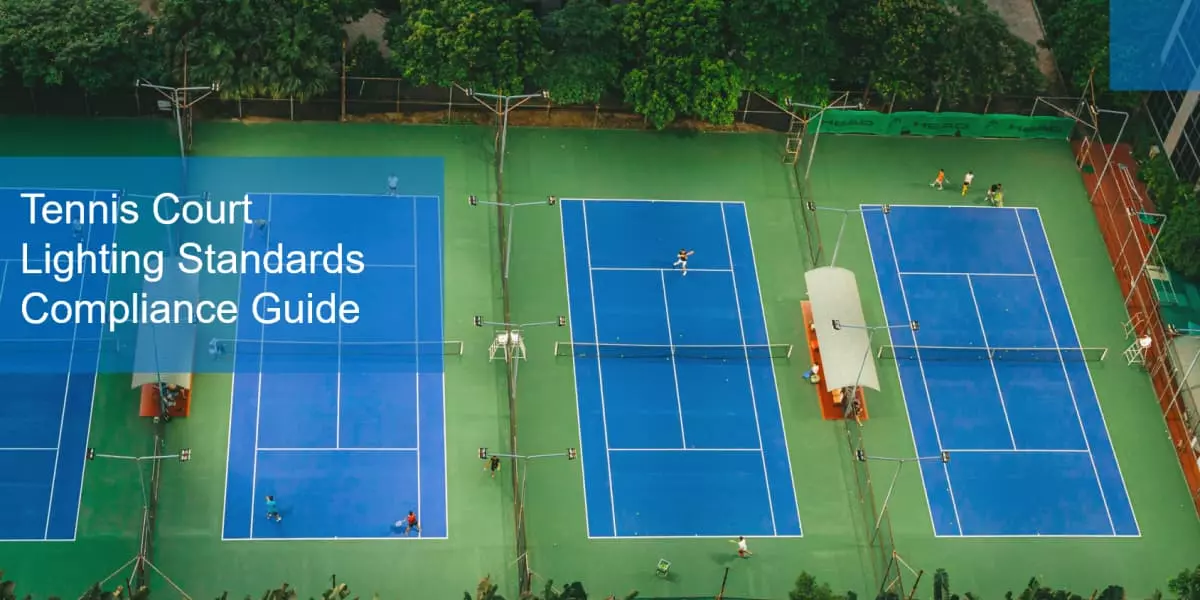
安装合适的网球场照明这是一项对安全性、性能和设施价值的技术投资。它不仅仅关乎可见度;更关乎达到专业 网球场照明标准, 从而确保公平比赛、预防运动损伤,并为球员和观众创造最佳体验。
本综合指南详细阐述了 网球场 的专业照明标准(IES、USTA、AS),解释了照度和眩光等关键指标,并提供了为任何级别的球场选择、安装和维护符合标准的高性能 LED 照明系统的可操作步骤。
目录
为什么专业网球场照明标准不容商榷?
选择合适的照明不仅仅是简单的亮度问题。由照明工程学会 (IES)等机构制定的专业标准,为质量和安全提供了必要的蓝图。忽视这些标准可能会导致设施存在安全隐患、不专业且不符合规范。
出于以下几个关键原因,必须遵守既定的运动场地照明标准:
关键事实: 适当的照明可以最大限度地减少眼睛疲劳和判断失误,从而降低球员受伤的风险。
定义:网球场照明标准 是一套技术指南和性能指标,用于定义网球场上所需的照明质量、数量和分布,以确保球员和官员的安全、公平和视觉舒适度。
1. 安全与伤害预防
球场照明不足会造成严重的安全隐患。主要风险包括:
绊倒和误判:深阴影和不均匀的光线会掩盖球的轨迹和球场表面的不规则性,导致滑倒、绊倒和扭伤。
危险眩光:未加遮挡或瞄准不良的灯具会导致短暂失明,尤其是在高空截击或发球时,会增加发生事故的风险。
标准的作用:它们对眩光做出了严格的限制,并要求整个球场保持一致的光照水平(均匀性),从而消除了危险的暗点和刺眼的光线。
2. 公平性和比赛诚信
照明系统绝不应该影响比赛结果。
问题:如果球场的一端明显比另一端暗,那么处于该侧的球员就会处于劣势,无法有效地追踪球的轨迹。
解决方案:照明标准强制执行严格的均匀度比率。这确保球在底线和网前都能被清晰地看到,从而保证所有参赛者的公平比赛。
3. 提升所有用户的体验
良好的照明,符合标准,可以提升所有参与者的体验。
对于玩家而言:减少眼部疲劳,从而可以进行更长时间、更专注的游戏。
对于观众和广播:提供舒适观看和专业电视制作所需的稳定、高质量的光线,从而提升您场馆的吸引力。
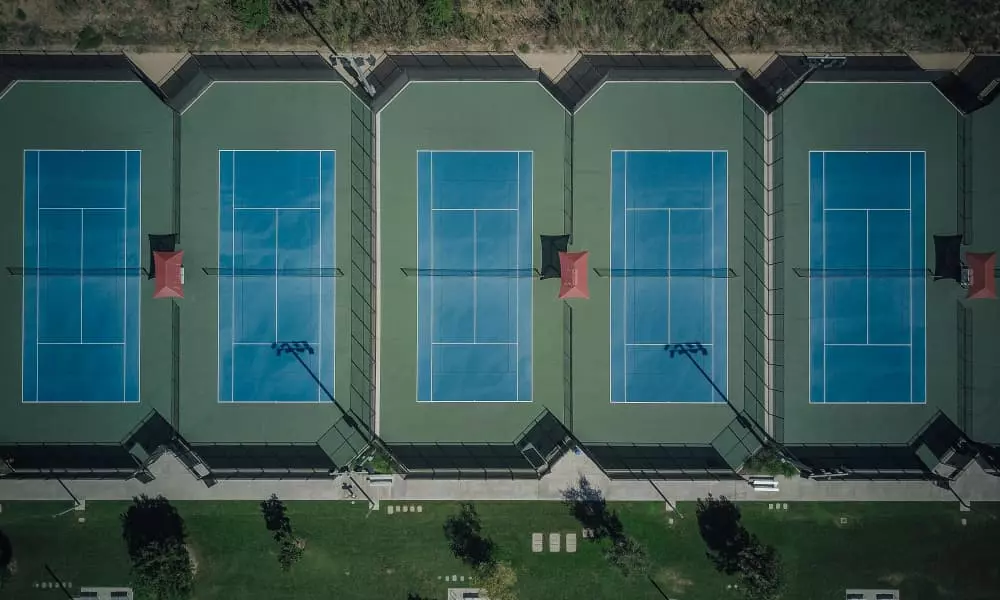
4.监管和合规需求
对于任何举办官方活动的俱乐部或场地而言,遵守规定不是一种选择。
美国网球协会锦标赛:要求照明设备符合特定的IES标准。
地方议会:可能会根据这些专业标准制定自己的规章制度。
澳大利亚设施:必须遵守 澳大利亚网球场照明标准(AS 2560.2.1)。
从一开始就安装符合规定的照明设备,可以避免昂贵的改造费用,并确保您的场地始终准备好进行官方认可的比赛。
关键照明指标详解:理解光的语言
要有效运用网球场照明标准,您需要了解相关的术语。这些技术指标并非晦涩难懂的术语,而是定义性能的可衡量参数。理解这些指标是做出明智决策的第一步。
关键事实:人眼能够适应平均光照水平,但难以应对极端对比度,因此均匀性通常比原始亮度更重要。
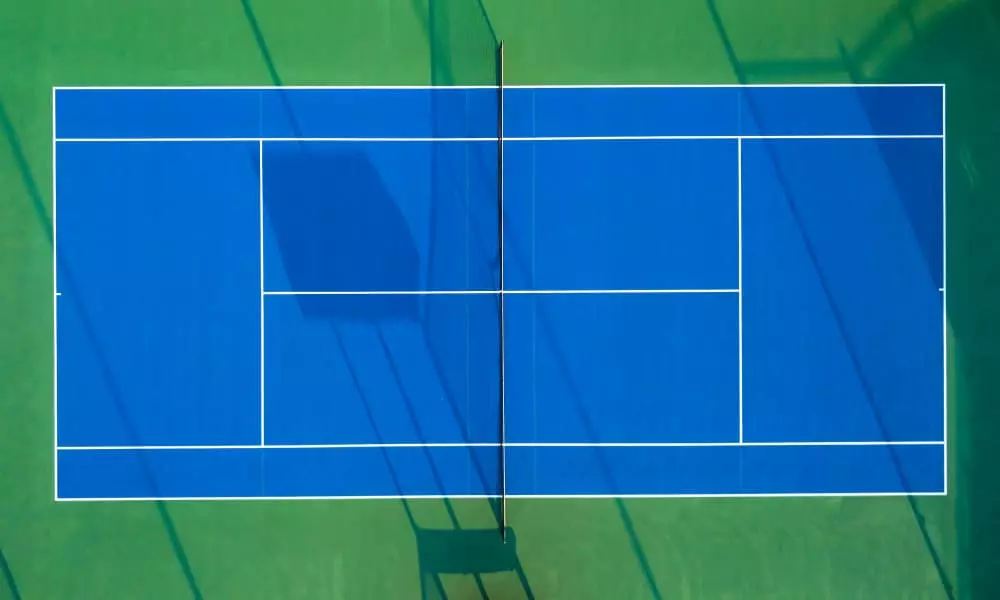
以下是您需要了解的四个关键指标:
1. 水平照度(勒克斯/lx)
定义:水平照度 测量到达水平表面(例如网球场地面)的可见光总量(光通量)。其单位为 勒克斯(lx)。
这是衡量法院“光鲜亮丽”程度的主要标准。
标准规定了 不同游戏级别(例如,休闲游戏与专业游戏)的不同平均照度水平。
维护照度: 专业计算采用“维护照度”,它考虑了由于灰尘积累和 LED 老化而导致的光输出随时间自然下降,从而确保系统在其整个使用寿命期间符合标准。
2. 均匀性比率 (Uo)
定义:均匀度比率 (Uo)是球场表面最小 照度与 平均 照度 的比值 (Uo = E_min / E_avg)。
比率越高(越接近 1.0),表示照明越均匀,无阴影。
低比例意味着亮斑旁边是暗斑,这使得追踪球的轨迹变得困难。
例如:Uo 值为 0.7 表示球场上最暗的点亮度仍达到平均亮度的 70%,这非常理想。Uo 值为 0.3 则会造成球场亮度不均,影响比赛体验。
3. 眩光等级(GR)
定义:眩光等级 (GR) 是一个标准化的指标(0-100),用于量化球员和观众所感受到的不适或眩光程度。GR 值越低越好。
眩光是由视野中过亮且无遮挡的光源引起的。
它会降低能见度并导致眼睛疲劳,直接影响安全性和工作效率。
GR标度指南:
GR < 30:几乎察觉不到的眩光(优秀)
GR 30-35:明显但可以接受(适合运动)
GR 45-55:眩光严重(差)
GR > 55:眩光严重(危险)
4. 垂直照度
定义:垂直照度 测量的是照射到垂直平面上的光,例如运动员的身体或飞行中的球。它也以勒克斯(lx)为单位进行测量。
这对于判断球在空中的速度、旋转和轨迹至关重要。
水平照度照亮球场表面,垂直照度照亮其上方的“活动空间”。
现代LED系统采用精确的光学控制,能够提供极佳的垂直照度,而不会产生溢光或眩光。
主要网球场照明标准细分
了解专业网球场照明标准的具体要求对于合规性、安全性和性能至关重要。不同的地区和管理机构都制定了详细的基准。
下面,我们将详细介绍北美和澳大利亚的关键标准,以指导您的规划和设计。
IES/USTA 标准(北美及国际)
美国照明工程学会 (IES) 标准经常被美国网球协会 (USTA) 引用,它为北美和许多国际网球场照明提供了主要框架。 这些建议有助于确保各个级别比赛的最佳比赛条件。
定义:IES标准是由北美照明工程学会发布的一套专业指南,为照明设计提供科学建议,包括体育和休闲场所的照度、均匀度和眩光控制指标。 。
下表根据 IES/USTA 原则总结了不同级别比赛的典型照明要求:
竞争水平 | 平均水平照度 (英尺烛光/勒克斯) | 均匀度比 (Uo) | 眩光等级 (希腊语) |
休闲/训练 | 20-30 fc (200-300 lux) | 0.5 | ≤ 50 |
俱乐部/学院 | 30-50 fc (300-500 lux) | 0.5 | ≤ 50 |
专业/电视广播 | 50-75+ fc (500-750+ lux) | 0.7 | ≤ 50 |
关键事实:
l维持照度:所列数值为“维持”照度,这意味着它们考虑了由于灯具老化和灰尘积聚导致的光输出随时间自然下降,从而确保系统在其整个使用寿命期间满足要求。 。
均匀性至关重要:更高的均匀性比率(接近 1.0)意味着更均匀的光线分布和更少的阴影。请注意,专业比赛对均匀性的要求更高,以确保高速比赛和电视转播的公平性。 。
眩光控制:眩光等级 (GR) 为 50 或更低对于最大限度地减少球员的不适感和保持视觉敏锐度至关重要,尤其是在追踪高速球时。 。
澳大利亚标准(AS 2560.2.1)
澳大利亚标准 AS 2560.2.1:《网球照明》提供了一种与 IES 标准类似的结构化方法,但拥有其独特的分类系统。它是澳大利亚乃至整个亚太地区球场建设和照明设计的主要参考标准。
定义:AS 2560.2.1 是澳大利亚标准,规定了网球场照明的设计、安装和测试要求,采用基于级别的系统,根据设施的预期用途和性能要求对其进行分类。
澳大利亚的法院系统通常将法院分为几个级别:
AS 2560.2.1 级 | 同等IES等级 | 典型用例 |
一级 | 休闲 | 社交网球,后院球场 |
二级 | 俱乐部 | 俱乐部比赛、训练学院 |
三级 | (介于俱乐部和职业之间) | 州级、地区级和高级别俱乐部比赛 |
四级 | 专业/广播 | 国家级和国际级赛事 |
关于 AS 2560.2.1 的关键事实:
详细规格:每个级别(I 至 IV)都有规定的最低维持照度和均匀度值,要求逐渐变得更加严格。
强调光溢出:该标准以其对刺眼光(光溢出)的严格限制而闻名,确保对周围环境的影响最小。
与IES/USTA标准的比较:
相似的性能目标: 这两个标准具有相同的核心目标:为球员安全和公平比赛提供充足的照度、良好的均匀性和严格的眩光控制。
结构差异: 虽然 IES 指南通常针对广泛的类别给出一系列数值,但澳大利亚标准提供了一个更明确的、基于级别的系统,每个分类都有具体的、强制性的基准。
强调光线溢出: 澳大利亚标准以其对刺眼光线(光线溢出)的特别严格的限制而闻名,确保对周围环境和邻近房产的影响最小,这在住宅区是一个至关重要的考虑因素。
如何实现符合规范的网球场照明?
了解标准是一回事,真正落实又是另一回事。要完全符合标准,需要一套系统化的方法,将专业设计、合适的技术和精准的执行相结合。以下指南将指导您如何将理论标准转化为高性能、合规的照明系统。
1. 首先要制定专业的照明设计方案
定义:专业照明设计方案是利用计算机模拟球场的模型,在安装任何设备之前预测光照水平、均匀性和眩光,以确保所提出的解决方案符合目标标准。
关键事实:专业的设计方案可以避免 20-35% 的代价高昂的设计错误和设备过度采购,从一开始就优化您的投资。
设计流程步骤:
Ø场地勘测:专家收集有关您的球场尺寸、周围环境和现有基础设施的数据。
Ø数字建模:您的球场将使用专业的照明设计软件(如 Dialux 或 Relux)进行建模。
Ø仿真与优化:该软件可模拟不同的灯具布局和类型,并生成精确的照度 (lux)、Uo 和 GR 预测值。设计方案会经过反复迭代优化,直至达到所需标准。
最终方案:您将收到一份详细的报告,其中包含保证的性能指标、设备清单和布局方案。
跳过这一步风险很大。务必咨询照明专家,获取专业的照明设计方案。
2. 选择合适的LED灯具
正确的产品技术是实现合规性的关键。
光学系统:选择具有非对称(III 型)或对称(V 型)光束分布和精确光束控制的灯具。这能有效地将光线照射到球场上,并最大限度地减少光线溢出,这是实现高均匀性的关键。
.webp "光束角度不对称对称")
(左图为对称图,右图为 非对称图。)
眩光控制:主要功能包括:
ü深百叶窗或蜂窝百叶窗
ü防眩光滤镜
ü微棱镜透镜
这些组件可以遮挡明亮的 LED 光源,使其免受直视,从而显著降低眩光等级 (GR)。
色彩质量:
相关色温 (CCT):4000K-5000K 为理想值。它能提供明亮、中性的白光,增强对比度,而不会像过高色温那样产生刺眼感。
显色指数 (CRI):选择 CRI > 80 的灯具。这可以确保球和球场的真实颜色得以展现,从而减少眼睛疲劳。
3. 杆件的战略性布置和安装高度
即使是最好的灯具,如果安装不当也会失效。布局决定性能。
电线杆放置指南:
四角(锦标赛)布局:专业球场的黄金标准。立柱设置在球场四个角上,位于比赛区域之外。这种布局能够提供极佳的垂直照明和均匀的光线,非常适合高速比赛和转播。
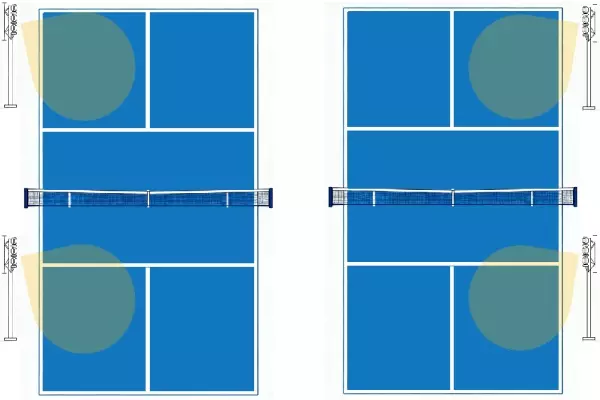
侧装式(休闲型)布局:对于社区俱乐部来说,这是一种更经济实惠的解决方案。立柱沿球场两侧安装。虽然安装更简便,但与四角式系统相比,其均匀性可能略逊一筹。
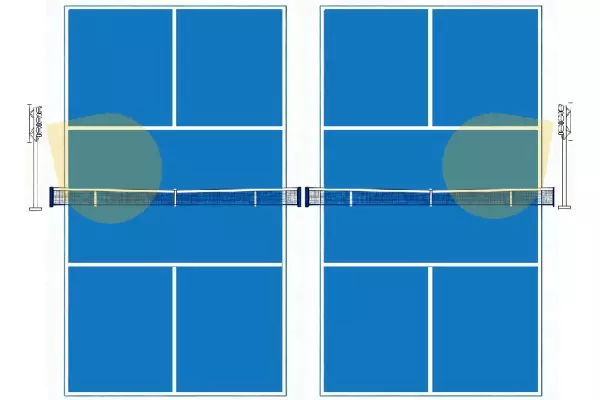
高度原则:
为了控制眩光并确保光线分布均匀,一个基本规则是:灯杆高度≥球场宽度的50%。
对于标准双打场地(约11米宽),这意味着立柱的最低高度为5.5米。实际上,为了达到专业水准,8-12米的高度是标准配置。
阅读更多:如果您对运动场照明布局感兴趣,这里有一份关于如何打造完美匹克球场照明布局的完整指南。
4. 调试和维护
安装完毕后,工作并未结束。验证和维护才是确保长期合规的关键。
调试步骤
现场测量:经过认证的专家使用校准过的照度计对球场表面进行数百次测量。
数据分析:将测量数据汇总并与目标标准(例如 IES、AS)进行比较。
合规性报告:您将收到一份正式报告,证明您的安装符合所有必需指标。这是您的合规性证明。
维护计划
初始过度设计:专业的方案会包含一个“维护系数”,这意味着系统在安装时特意设计得比预期亮度高出约 25%,以补偿未来的光损耗。
定期清洁:每 6-12 个月擦拭镜头,去除阻挡光线的灰尘和昆虫。
定期检查:每年检查是否有任何物理损坏或性能下降。
遵循这些步骤,您就能从期望合规转变为确保合规。与知识渊博的供应商建立合适的合作关系,对于成功完成这一过程至关重要。
选择照明的实用指南
您现在已掌握了相关标准和实施方案的知识。这份最终决策指南将帮助您将具体需求转化为完美的运动照明解决方案,确保您的投资明智有效。
关键事实:过度照明休闲运动场地是一个常见且代价高昂的错误,会导致不必要的能源消耗、眩光和前期成本。目标并非追求最大亮度,而是根据您的使用情况达到最佳照明效果。
第一步:明确法院的宗旨
选择以下最符合您主要使用场景的描述,以确定您所需的性能级别。
定义:球场分类是根据球场的主要用户和活动对球场进行分类的过程,这直接决定了球场适用的照明标准等级。
查找您所在法院的分类
Ø休闲/后院
适用人群:房主、社区公园、学校(供休闲娱乐)。
关键标准:IES 休闲水平(200-300 勒克斯)。
重点:基本安全性和可视性。成本效益是首要考虑因素。
俱乐部/训练学院
适用对象:网球俱乐部、训练设施、竞技学校队。
主要标准:IES 俱乐部/培训级别(300-500 勒克斯)。
焦点:具有出色的均匀性和眩光控制,适用于严肃的练习和当地比赛。
Ø专业/广播
适用对象:举办地区性、全国性或电视转播比赛的场馆。
主要标准:IES 专业/电视级别(500-750+ 勒克斯)。
重点:最大限度地满足玩家和广播需求,需要四角杆布局和精确的工程设计。
第二步:与照明专家合作
确定类别之后,最关键的一步就是选择合适的合作伙伴。真正的专家能够提供端到端的服务,将复杂的标准转化为一站式解决方案。
专业合作关系的步骤:
² 咨询与需求分析:专家与您讨论您的目标、预算和法院具体情况。
² 定制设计与报价:您将收到一份专业的照明方案(如上一节所述)以及一份详细的报价。
² 产品供应:我们为您提供专为体育照明设计的高性能、符合规范的 LED 灯具。
² 实施支持:提供专业安装指导,以确保设计正确执行。
² 验证与支持:安装后测量,以确保合规性并提供持续的维护建议。
与Ceramiclite这样的专业公司合作 我们确保您顺利完成整个流程。我们提供的不仅仅是产品,更是一套有保障的合规解决方案——从最初的设计和优质的LED灯具到最终的性能验证。这种一体化的方法消除了风险,确保您的投资在未来数年内都能带来专业的成果。
准备好寻找完美的照明解决方案了吗?联系 Ceramiclite,即可获得免费、无义务的照明设计咨询服务,该服务将根据您球场的具体需求量身定制。

结论:点亮灯光,成就完美游戏
摘要: 本指南详细介绍了 IES 和其他机构制定的关键网球场照明标准,解释了照度和眩光等关键指标,并提供了一个清晰的、循序渐进的框架,以实现符合规范的高性能 LED 照明系统,从而确保安全、提升比赛体验并带来长期价值。
投资专业网球场照明系统,就是投资安全、性能和价值。正如我们所阐述的,追求卓越并非靠猜测,而是需要一种严谨的方法,这种方法结合了:
l遵守成熟标准: 遵循 IES、USTA 或 AS 指南是消除风险的蓝图。
l技术精度: 注重照度、均匀性和眩光,确保最佳游戏条件。
l专业实施: 从专业设计到经过验证的调试,每一步对于保证持久效果都至关重要。
不要在比赛质量上妥协。一个照明良好的球场可以提升比赛体验,最大限度地降低长期成本,并将您的场地提升到专业水平。
想要打造符合所有标准的完美照明效果吗?让 Ceramiclite 为您处理所有细节——从设计到合规性。 立即预约免费照明方案咨询!