_thumb.jpg)
テニスコートの照明基準を満たすには?コンプライアンスガイド
テニスコートの照明を正しく設置する安全性、パフォーマンス、そして施設の価値向上のための技術投資です。視認性だけでなく、フェアプレーを保証し、怪我を防ぎ、プレーヤーと観客にとって最適な体験を生み出す、プロ テニスコートの照明基準を満たすことが重要です 。
この総合的なガイドでは 、テニスコート の専門的な照明基準(IES、USTA、AS) を詳しく説明し、ルクスやグレアなどの主要な指標について説明し、あらゆるレベルのコートに適合した高性能 LED 照明システムの選択、インストール、保守に関する実用的な手順を示します。
目次
プロ仕様のテニスコート照明基準が交渉不可能なのはなぜですか?
テニスコートの照明を基準に適合させるにはどうすればよいでしょうか?
プロ仕様のテニスコート照明基準が交渉不可能なのはなぜですか?
適切な照明を選ぶことは、単なる明るさの調整にとどまりません。照明工学協会(IES)などの団体が策定した専門規格は、品質と安全性の重要な指針となります。これらの規格を無視すると、危険で非専門的、そして規制に違反した施設になってしまうリスクがあります。
スポーツフィールド照明に関する確立された基準の遵守は、次の重要な理由により必須です。
重要な事実: 適切な照明は、目の疲れや誤判断を最小限に抑え、プレーヤーの負傷リスクを軽減します。
定義:テニス コートの照明基準は 、プレーヤーと役員の安全性、公平性、視覚的な快適さを確保するために、テニス コートに必要な光の質、量、分布を定義する一連の技術ガイドラインとパフォーマンス メトリックです。
1. 安全と怪我の予防
照明不足はコート上で重大な危険をもたらします。主なリスクは次のとおりです。
つまずきと判断ミス: 深い影と不均一な光により、ボールの軌道とコート表面の凹凸が隠れ、滑ったり、つまずいたり、筋肉を痛めたりすることがあります。
危険なグレア: 遮蔽されていない照明器具や狙いが不適切な照明器具は、特にハイボレーやサーブの際に、瞬間的な失明を引き起こし、事故のリスクを高めます。
標準規格がどのように役立つか: 標準規格は、ぎらつきに対する厳格な制限を義務付け、コート全体で一貫した光のレベル (均一性) を要求し、危険な暗い部分や眩しい光を排除します。
2. 公平性とゲームの完全性
照明システムが試合の結果に影響を与えるべきではありません。
問題: コートの片側がもう片側よりも著しく暗い場合、その側のプレーヤーは不利になり、ボールを効果的に追跡できなくなります。
解決策:照明基準では厳格な均一性比率が定められています。これにより、ベースラインとネットの両方でボールが均等に見えるようになり、すべての競技者にフェアプレーが保証されます。
3. すべての人に向上した体験
標準に従って構築された適切な照明は、関係者全員の体験を向上させます。
プレイヤーにとって:目の疲れを軽減し、より長時間、より集中してプレイできるようになります。
観客と放送向け: 快適な視聴とプロフェッショナルなテレビ制作に必要な一貫した高品質の照明を提供し、施設の魅力を高めます。
4.規制とコンプライアンスのニーズ
公式イベントを主催するクラブや施設にとって、コンプライアンスは選択肢ではありません。
USTA トーナメント: 特定の IES ベンチマークを満たす照明が必要です。
地方議会: これらの専門基準に基づいた独自の規定を持つ場合があります。
オーストラリアの施設: テニスコートの照明に関するオーストラリアの規格 (AS 2560.2.1)に従う必要があります。
最初から適合した照明を設置することで、コストのかかる改修を避け、施設が常に認可されたプレイに対応できる状態になることが保証されます。
主要な照明指標の説明:光の言語を理解する
テニスコートの照明基準を効果的に理解するには、その用語を理解する必要があります。これらの技術的指標は単なる専門用語ではなく、パフォーマンスを定義する測定可能なパラメータです。これらを理解することが、情報に基づいた意思決定の第一歩となります。
重要な事実: 人間の目は平均的な光のレベルには適応しますが、極端なコントラストには適応できません。そのため、多くの場合、生の明るさよりも均一性の方が重要になります。
知っておくべき 4 つの重要な指標は次のとおりです。
1. 水平照度(ルクス/lx)
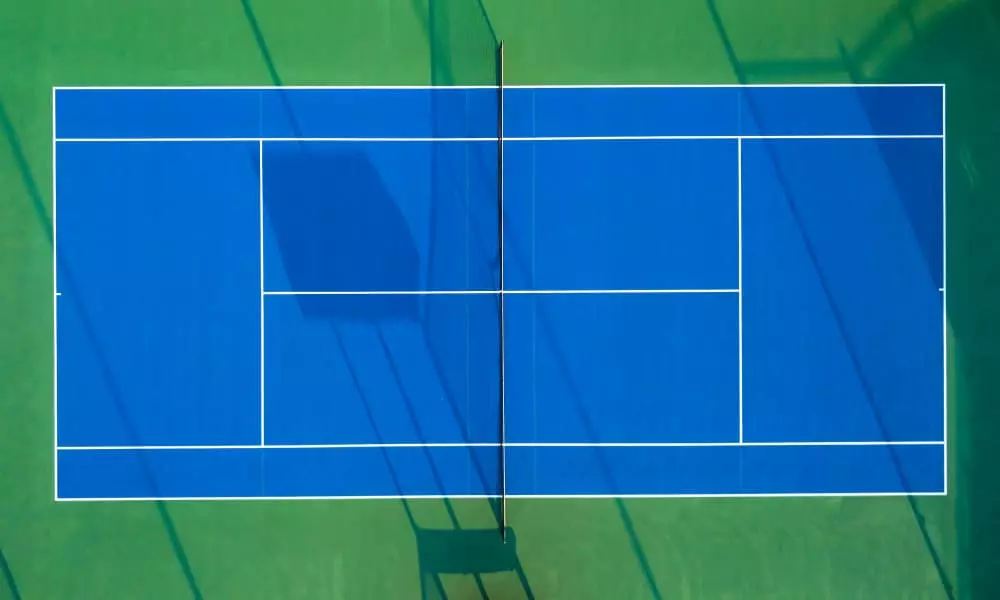
定義:水平面照度は、 テニスコートの床面などの水平面に到達する可視光の総量(光束)を測定します。単位は ルクス(lx)です。
これは、コートが「どれくらい明るく見えるか」を測る主な基準です。
標準規格では、プレイのレベル(レクリエーションとプロなど)に応じて異なる 平均ルクスのレベルが指定されています。
メンテナンス ルクス: 専門家による計算では、「メンテナンス ルクス」が使用されます。これは、汚れの蓄積や LED の劣化により時間の経過とともに光出力が自然に低下することを考慮したもので、システムがその寿命を通じて基準を満たすことを保証します。
2.均一性比(Uo)
定義: 均一性比 (Uo)は、コート表面全体の最小 照度と 平均 照度 の比です (Uo = E_min / E_avg)。
比率が高いほど(1.0 に近いほど)、照明が安定し、影がなくなることを示します。
比率が低いと、暗い部分の隣に明るい部分ができ、ボールを追跡するのが難しくなります。
例:Uoが0.7の場合、コートの最も暗い部分でも平均輝度の70%を維持しており、これは良好な状態です。Uoが0.3の場合、コートの明るさが不均一になり、問題のある競技場となります。
3. グレア評価(GR)
定義:グレアレーティング(GR) は、選手や観客が感じる不快感や視認性を損なうグレアのレベルを0~100の標準指標で定量化したものです。GR値が低いほど良好です。
グレアは、視野内の過度に明るい、遮蔽されていない光源によって発生します。
視界が悪くなり、目の疲労を引き起こし、安全性とパフォーマンスに直接影響を及ぼします。
GRスケールガイド:
GR < 30: 知覚できないグレア(優秀)
GR 30-35: 目立つが許容範囲内(スポーツには適している)
GR 45-55: 許容できないグレア(不良)
GR > 55: 耐えられないほどのまぶしさ(危険)
4. 垂直照度
定義:垂直照度は 、選手の体や飛行中のボールなど、垂直面に当たる光を測定します。単位はルクス(lx)です。
これは、空中のボールの速度、回転、軌道を判断するために重要です。
水平照度がコート表面を照らす一方、垂直照度はその上の「アクションスペース」を照らします。
精密な光学制御を備えた最新の LED システムは、光漏れやグレアを発生させることなく、優れた垂直照度を提供するのに非常に優れています。
主要なテニスコート照明基準の内訳
プロテニスコート照明基準の具体的な要件を理解することは、コンプライアンス、安全性、そしてパフォーマンスを確保するために不可欠です。様々な地域や統括団体が詳細なベンチマークを設定しています。
以下では、計画と設計のガイドとして、北米とオーストラリアの主要な規格を説明します。
IES/USTA規格(北米および国際)
米国テニス協会(USTA)が頻繁に参照する照明工学協会(IES)規格は、北米や多くの国際施設のテニスコート照明の主要な枠組みを提供しています。 これらの推奨事項は、さまざまなレベルのプレイにわたって最適なプレイ環境を確保するのに役立ちます。
定義: IES規格は、北米照明学会が発行する専門ガイドラインであり、スポーツやレクリエーションエリアにおける照度、均一性、グレア制御の指標を含む照明設計に関する科学的な推奨事項を提供します。 。
次の表は、IES/USTA の原則に従って、さまざまなレベルのプレーにおける一般的な照明要件をまとめたものです。
競技レベル | 平均維持水平面照度 (フートカンデラ/ルクス) | 均一比 (うお) | グレア評価 (GR) |
レクリエーション/トレーニング | 20~30 fc(200~300ルクス) | 0.5 | ≤ 50 |
クラブ / 大学 | 30~50 fc(300~500ルクス) | 0.5 | ≤ 50 |
プロフェッショナル / テレビ放送 | 50~75+ fc (500~750+ ルクス) | 0.7 | ≤ 50 |
重要な事実:
l維持照度: 記載されている値は「維持」レベルであり、ランプの経年劣化や汚れの蓄積による光出力の自然な低下を考慮しており、システムがその寿命を通じて要件を満たすことを保証します。 。
l均一性が鍵:均一性比が高い(1.0に近い)ほど、光の分布が均一になり、影が少なくなります。プロの競技では、高速競技やテレビ放送において公平な条件を確保するために、均一性に関する要求度が高まっていることに注目してください。 。
lグレアコントロール:グレア評価(GR)50以下は、特に高速ボールを追跡する場合、プレーヤーの不快感を最小限に抑え、視力を維持するために重要です。 。
オーストラリア規格(AS 2560.2.1)
オーストラリア規格AS 2560.2.1「テニスコートの照明」は、IES規格に類似した体系的なアプローチを提供していますが、独自の分類システムを採用しています。オーストラリアおよびアジア太平洋地域におけるコート建設と照明設計の主要な基準となっています。
定義: AS 2560.2.1 は、テニス コートの照明の設計、設置、テストの要件を規定するオーストラリア規格であり、レベル ベースのシステムを使用して施設をその使用目的とパフォーマンス要件によって分類します。
オーストラリアの制度では通常、裁判所をいくつかのレベルに分類します。
AS 2560.2.1 レベル | 同等のIESレベル | 典型的な使用例 |
レベルI | レクリエーション | 社交的なテニス、裏庭のコート |
レベルII | クラブ | クラブ大会、トレーニングアカデミー |
レベルIII | (クラブとプロの間) | 州、地域、そしてハイレベルなクラブ大会 |
レベルIV | プロフェッショナル / 放送 | 国内および国際トーナメント |
AS 2560.2.1 に関する重要な事実:
詳細仕様: 各レベル (I から IV) には最低限維持される照度と均一性の値が定義されており、要件は段階的に厳しくなります。
光漏れの重視: この規格は、目障りな光 (光漏れ) に対する厳しい制限で知られており、周囲の環境への影響を最小限に抑えます。
IES/USTA規格との比較:
類似したパフォーマンス目標: 両方の規格は、プレーヤーの安全とフェアプレーのために、十分な照度、優れた均一性、厳格なグレア制御を提供するという同じ中核目標を共有しています。
構造上の違い: IES ガイドラインでは、多くの場合、広範なカテゴリに対してさまざまな値を提示しますが、オーストラリア規格では、各分類に対して特定の必須ベンチマークを備えた、より明確なレベルベースのシステムを提供しています。
光漏れの重視: オーストラリアの規格は、特に目障りな光 (光漏れ) に対する制限が厳しいことで知られており、住宅地では重要な考慮事項である周囲の環境や近隣の建物への影響を最小限に抑えます。
適合したテニスコート照明を実現するには?
規格を知ることは重要ですが、それを実践することは全く別の話です。完全な適合性を達成するには、専門的な設計、適切な技術、そして正確な実施を組み合わせた体系的なアプローチが必要です。ここでは、理論上の規格を高性能で適合性のある照明システムに変換するための実践的なガイドをご紹介します。
1. プロの照明デザインプランから始める
定義: プロフェッショナル照明設計プランは、機器を設置する前に光のレベル、均一性、グレアを予測し、提案されたソリューションが目標基準を満たすことを保証する、コンピューターでシミュレーションされたコートのモデルです。
重要な事実: 専門的な設計計画により、コストのかかる設計ミスや機器の過剰購入を 20 ~ 35% 防止でき、最初から投資を最適化できます。
設計プロセスの手順:
Ø現場調査: 専門家がコートの寸法、周囲の環境、既存のインフラストラクチャに関するデータを収集します。
Øデジタル モデリング: コートは専用の照明設計ソフトウェア (Dialux や Relux など) でモデル化されます。
Øシミュレーションと最適化:ソフトウェアは、様々な照明器具のレイアウトとタイプをシミュレートし、ルクス、Uo、GRの正確な予測を生成します。設計は、必要な基準を満たすまで繰り返し改良されます。
Ø最終提案: 保証されたパフォーマンス メトリック、備品リスト、レイアウト プランを含む詳細なレポートを受け取ります。
このステップを省略するのは危険です。必ず照明の専門家に相談し、プロフェッショナルなデザインプランを入手してください。
2. 適切なLED照明器具を選ぶ
適切な製品テクノロジーがコンプライアンスを可能にします。
光学系:非対称(タイプIII)または対称(タイプV)の配光と精密なビーム制御を備えた照明器具を選びましょう。これにより、コートへの光の照射効率が向上し、光漏れを最小限に抑えることができます。これが高い均一性を実現する鍵となります。
.webp "ビーム角非対称対称")
(左は対称、右は 非対称です。)
グレアコントロール: 主な機能は次のとおりです:
ü深型またはハニカムルーバー
üアンチグレアフィルター
üマイクロプリズムレンズ
これらのコンポーネントは、明るい LED 光源を直接見ることから保護し、グレア評価 (GR) を大幅に低減します。
色品質:
相関色温度(CCT):4000K~5000Kが理想的です。明るくニュートラルな白色光を提供し、高温による過酷な印象を与えることなくコントラストを高めます。
演色評価数 (CRI) : CRI > 80 の照明器具を選択してください。これにより、ボールとコートの本来の色が明らかになり、目の疲れが軽減されます。
3. 戦略的なポールの配置と取り付け高さ
最高の照明器具でも、正しく設置しなければ機能しません。レイアウトがパフォーマンスを左右します。
ポール配置ガイド:
フォーコーナー(トーナメント)レイアウト:プロコートのゴールドスタンダード。コートのプレイエリア外にある各コーナーにポールが設置されています。これにより、優れた垂直照度と均一性が確保され、高速プレーや放送に最適です。
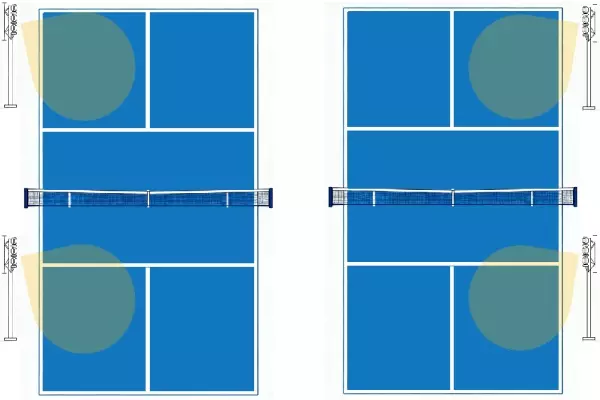
サイドマウント(レクリエーション)レイアウト:コミュニティクラブ向けの、より費用対効果の高いソリューションです。コートの両サイドにポールを設置します。設置は簡単ですが、四隅に設置するシステムと同等の均一性を得るのが難しい場合があります。
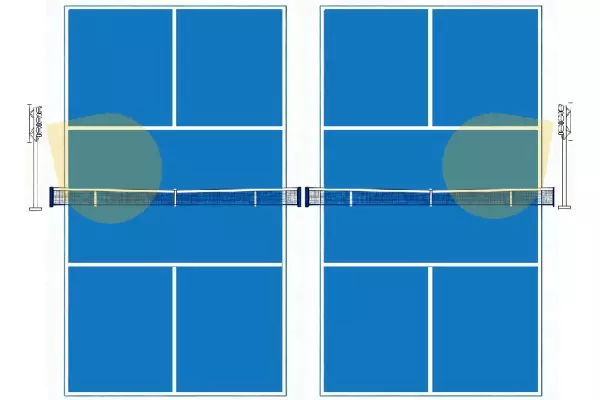
高さ原則:
グレアを制御し、広く均一な光の分散を確保するための基本的なルールは、ポールの高さがコートの幅の 50%以上であることです。
標準的なダブルスコート(幅約11メートル)の場合、ポールの高さは最低5.5メートルが必要です。実際には、プロレベルの結果を出すには8~12メートルの高さが標準です。
詳細: スポーツ フィールドの照明レイアウトに興味がある場合は、完璧なピックルボール コートの照明レイアウトを作成する方法に関する完全なガイドをご覧ください。
4. 試運転と保守
設置したら終わりではありません。検証と維持管理こそが長期的なコンプライアンスを保証するものです。
試運転手順
現地測定: 認定された専門家が校正済みの照度計を使用して、コート表面全体で数百の測定を行います。
データ分析: 測定データがまとめられ、対象標準 (IES、AS など) と比較されます。
コンプライアンスレポート:お客様の設備がすべての必須基準を満たしていることを証明する正式なレポートを受け取ります。これがコンプライアンスの証明となります。
メンテナンスプラン
初期の過剰設計: プロフェッショナル プランには「メンテナンス係数」が含まれます。つまり、将来の光量損失を補うために、システムは設置時に意図的に約 25% 明るくなるように設計されます。
定期的なクリーニング: 光を遮る汚れや虫を取り除くため、6 ~ 12 か月ごとにレンズを拭いてください。
定期検査: 物理的な損傷やパフォーマンスの低下がないか毎年チェックします。
これらの手順に従うことで、コンプライアンスを期待する段階から、それを保証する段階に移行できます。このプロセスを成功させるには、知識豊富なプロバイダーとの適切なパートナーシップが不可欠です。
照明選びの実践ガイド
これで、規格と実装に関する知識が身に付きました。この最終決定ガイドは、お客様の具体的なニーズを最適なスポーツ照明ソリューションへと落とし込み、賢明かつ効果的な投資を実現するのに役立ちます。
重要な事実:レクリエーションコートの照明を過剰にすることは、よくあるミスであり、コストのかかるミスです。不要なエネルギー消費、グレア、そして初期費用の増加につながります。目標は明るさを最大化することではなく、ユースケースに最適な適合性を実現することです。
ステップ1:裁判所の目的を定義する
必要なパフォーマンス レベルを特定するには、主な使用ケースに最も一致する以下の説明を選択してください。
定義: コート分類は、主なユーザーと活動に基づいて施設を分類するプロセスであり、適切な照明標準層を直接決定します。
裁判所の分類を確認する
Øレクリエーション / 裏庭
対象者: 住宅所有者、コミュニティ公園、気軽に遊べる学校。
主要基準: IES レクリエーション レベル (200 ~ 300 ルクス)。
重点:基本的な安全性と視認性。費用対効果を最優先します。
Øクラブ / トレーニングアカデミー
対象者: テニス クラブ、トレーニング施設、競争力のある学校チーム。
主要基準: IES クラブ/トレーニング レベル (300 ~ 500 ルクス)。
焦点: 本格的な練習や地元の競技会に最適な均一性とグレア制御。
Øプロフェッショナル / 放送
対象者: 地域、全国、またはテレビ放映されるトーナメントを主催する施設。
主な規格: IES プロフェッショナル/TV レベル (500 ~ 750+ ルクス)。
焦点: プレーヤーと放送のニーズに応える最高のパフォーマンス。4 コーナーのポール レイアウトと精密なエンジニアリングが必要です。
ステップ2:照明の専門家と提携する
カテゴリーを決定したら、最も重要なステップは適切なパートナーを選ぶことです。真のエキスパートは、複雑な規格をターンキーソリューションへと変換するエンドツーエンドのサービスを提供します。
プロフェッショナルパートナーシップのステップ:
² コンサルティングとニーズ分析: 専門家がお客様の目標、予算、裁判所の詳細について話し合います。
² カスタム デザインと見積もり: プロフェッショナルな照明プラン (前のセクションで説明) と詳細な見積もりを受け取ります。
² 製品供給: スポーツ照明用に設計された高性能の規格準拠 LED 照明器具が提供されます。
² 実装サポート: 設計が正しく実行されるように専門家によるインストールのガイダンスを提供します。
² 検証とサポート: コンプライアンスを保証し、継続的なメンテナンスのアドバイスを提供するためのインストール後の測定。
Ceramicliteのような専門家との提携 このプロセスをシームレスに進めることができます。私たちは製品を提供するだけでなく、初期設計から高品質LED照明器具の選定、最終的な性能検証まで、コンプライアンスを保証するソリューションを提供します。この統合アプローチによりリスクを排除し、お客様の投資が今後何年にもわたってプロフェッショナルな成果をもたらすことを保証します。
最適な照明ソリューションをお探しですか?Ceramiclite にご連絡いただければ、コートの特定のニーズに合わせた照明デザインに関する無料コンサルティングを承ります。お気軽にお問い合わせください。

結論:完璧な試合のために適切な照明を
概要: このガイドでは、IES やその他の団体による重要なテニス コート照明基準の詳細を説明し、ルクスやグレアなどの主要な指標について説明し、安全性を確保し、プレイを向上させ、長期的な価値を提供する、準拠した高性能 LED 照明システムを実現するための明確で段階的なフレームワークを示しました。
プロ仕様のテニスコート照明への投資は、安全性、性能、そして価値への投資です。これまで述べてきたように、卓越性を達成するには、推測ではなく、以下の要素を組み合わせた規律あるアプローチが必要です。
l実証済みの標準の遵守: IES、USTA、または AS ガイドラインに従うことが、リスクを排除するための青写真となります。
l技術的な精度: 輝度、均一性、グレアに重点を置くことで、最適なプレイ環境が確保されます。
l専門家による実装: 専門的な設計から検証済みの試運転まで、各ステップは保証された長期的な結果を得るために重要です。
ゲームの質に妥協しないでください。コートを適切に照明することで、プレー体験が一変し、長期的なコストを最小限に抑え、施設をプロレベルに引き上げることができます。
あらゆる基準を満たす完璧な照明を実現しませんか?設計からコンプライアンスまで、Ceramicliteにお任せください。 無料の照明プラン相談を今すぐご予約ください!