_thumb.jpg)
Leitfaden zur Stallbeleuchtung: Hellere Ställe, glücklichere Pferde
Ihr Stall ist mehr als nur ein Gebäude; er ist Arbeitsplatz, Rückzugsort und Zuhause für Ihre Pferde. Dennoch wird die Beleuchtung bei der Planung von Pferdeanlagen oft vernachlässigt. Schlechte Sichtverhältnisse erschweren nicht nur die Fütterung am frühen Morgen oder die nächtlichen Kontrollgänge, sondern bergen auch Sicherheitsrisiken für Sie und Ihre Tiere.
Flackernde Glühbirnen, dunkle Schatten, die sensible Pferde erschrecken, und Leuchten, die aufgrund von Feuchtigkeit oder Staub ausfallen, sind häufige Ärgernisse für Stallbesitzer. Ob Neubau oder Sanierung eines alten Stalls – die Wahl der richtigen Stallbeleuchtung ist entscheidend für einen effizienten Betrieb und die Brandsicherheit.
In diesem Leitfaden erfahren Sie alles Wichtige zur Beleuchtung Ihrer Reitanlage. Von der Berechnung der korrekten Lumenwerte bis hin zur Auswahl langlebiger Beleuchtungslösungen für Pferde. So schaffen Sie einen helleren und sichereren Raum für Ihre Pferde, der auch den rauen Bedingungen im Stall standhält.
Inhaltsverzeichnis
Was sind die besten Beleuchtungslösungen für verschiedene Bereiche im Stall?
Welche LED-Leuchten eignen sich am besten für Pferdeboxen und Stallgänge?
Warum Sie auf LED-Reitsportbeleuchtung umsteigen sollten?
Anforderungen an die Beleuchtung von Pferdeställen
Wie entwirft man die perfekte Beleuchtungsanlage für einen Pferdestall?
Warum ist die FTC-Technologie von Ceramiclite langlebiger als Standard-LEDs?
Was sind die besten Beleuchtungslösungen für verschiedene Bereiche im Stall?
Ein Pferdestall ist kein einzelner Raum; er ist eine komplexe Umgebung mit unterschiedlichen Zonen, die jeweils einen spezifischen Beleuchtungsansatz erfordern. Eine "Einheitsgröße"-Glühbirne reicht einfach nicht aus. Um ein effektives Layout zu entwerfen, müssen Sie jeden Bereich entsprechend seiner Funktion behandeln
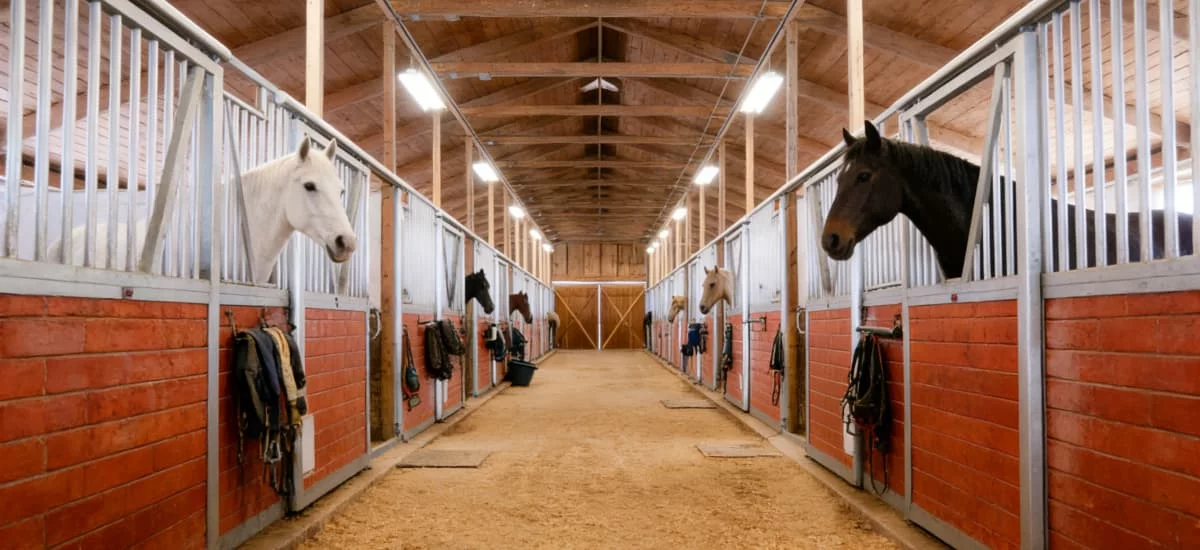
1. Stände und Wartebereiche (Ruhe und Komfort)
Das Hauptziel bei der Beleuchtung von Pferdeboxen ist es, schattenfreie Sichtverhältnisse zu schaffen, ohne dabei grelles Licht zu erzeugen, das die Ruhe des Tieres stört.
Ø Die Herausforderung : Pferde können durch scharfe Schatten, die von einzelnen Lichtquellen geworfen werden, erschreckt werden.
Die Lösung : Verwenden Sie Leuchten mit einem breiten Abstrahlwinkel, um das Licht sanft in die Ecken der Liegeboxen zu streuen. Idealerweise sollten die Leuchten hoch oben oder in Ecken (geschützt durch Käfige oder stoßfeste Linsen) angebracht werden, um zu verhindern, dass die Pferde die Leuchten durch Krippensetzen beschädigen oder zerstören.
2. Gänge und Pflegebereiche (Der Arbeitsbereich)
Im Stallgang findet die eigentliche Arbeit statt – Satteln, Putzen, Hufauskratzen und Besuche beim Tierarzt/Hufschmied.
Ø Die Herausforderung : Unzureichendes Licht kann hier Verletzungen verdecken oder eine detaillierte Fellpflege erschweren.
Die Lösung : Dieser Bereich erfordert eine höhere Helligkeit (wir werden später auf die Lumenwerte eingehen). Lineare LED-Leuchten sind oft die beste Wahl für die Beleuchtung von Stallgängen, da sie den „Flimmereffekt“ zwischen den Lichtstrahlen eliminieren und so ein kontinuierliches, gleichmäßiges Licht für sichere Bewegungsabläufe gewährleisten.
3. Waschplätze (Nassumgebungen)
Wasser und Elektrizität bilden eine gefährliche Mischung.
Ø Die Herausforderung : Hohe Luftfeuchtigkeit und direkter Wassernebel.
Die Lösung : Sicherheit hat hier oberste Priorität. Sie müssen dampfdichte oder vollständig wasserdichte Armaturen mit einer hohen IP-Schutzart (IP65 oder IP66) verwenden, um das Eindringen von Feuchtigkeit und Korrosion zu verhindern.
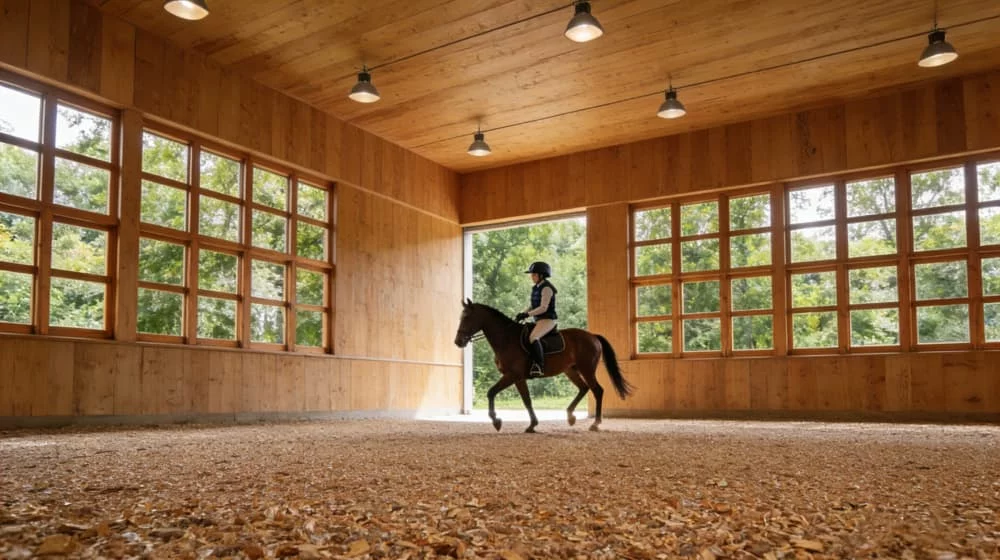
4. Reithallen und Reitplätze im Freien
Während sich dieser Leitfaden auf die Stallkonstruktion konzentriert, erfordern Ihre Reitplätze eine völlig andere Berechnung, die auf der Stangenhöhe und dem Wettkampfniveau basiert.
Hinweis : Wenn Sie nach spezifischen Lux-Werten, Mastanordnungen und Schattensteuerung für das Leistungsreiten suchen, lesen Sie unseren ausführlichen Artikel: Alles, was Sie über Reitplatzbeleuchtung wissen müssen .
5. Futter- und Sattelkammern
Diese geschlossenen Räume ziehen Staub magisch an. Die Beleuchtung muss hell genug sein, um die Etiketten der Nahrungsergänzungsmittel gut lesen und das Leder auf Schimmel untersuchen zu können, gleichzeitig muss die Abdichtung gegen Staubansammlungen vollständig sein, um eine Überhitzung zu vermeiden.
Welche LED-Leuchten eignen sich am besten für Pferdeboxen und Stallgänge?
Bei der Wahl der richtigen Leuchte geht es um mehr als nur um Ästhetik; es geht darum, die Bauart der Leuchte an die Gefahren der Umgebung anzupassen. Hier sind die effektivsten Beleuchtungskörper für den Reitsport, die heutzutage in modernen Ställen eingesetzt werden.
Lineare Leuchten (für Gänge)
Für Stallgänge ist eine gleichmäßige Ausleuchtung entscheidend. Herkömmliche Glühbirnen erzeugen helle Flecken und dunkle Bereiche, die Pferde verunsichern oder erschrecken können. Lineare LED-Leuchten lösen dieses Problem, indem sie ein durchgehendes Lichtband erzeugen.
Ø Ideal für : Mittelgänge und Pflegebereiche.
Ø Warum ? Sie verteilen das Licht gleichmäßig über eine große Entfernung, minimieren so Schatten und erleichtern es, Probleme am Fell oder an den Hufen Ihres Pferdes zu erkennen.
Dampfdichte Armaturen (für Waschplätze und -boxen)
Diese oft als „dreifach dichten“ Lampen bezeichneten Leuchten sind die Arbeitstiere der Landwirtschaft. Sie sind gegen Wasser, Staub und Korrosion abgedichtet.
Ø Ideal für : Waschplätze, Futterräume und staubige Bereiche.
Warum ? In einer Waschhalle ist der Einsatz von Hochdruckwassersprühstrahl an der Tagesordnung. Dampfdichte Armaturen gewährleisten, dass keine Feuchtigkeit an die interne Elektronik gelangt und verhindern so Kurzschlüsse und Rost.
Hochregalleuchten (für hohe Decken)
Wer das Glück hat, eine Scheune mit hohen Kathedralendecken oder einen großen zentralen Arbeitsbereich (typischerweise über 4,5 Meter hoch) zu besitzen, für den reichen Standardleuchten nicht aus, um genügend Licht auf den Boden zu bringen.
Ø Ideal für : Hohe Mittelgänge, Heuböden oder Gerätelagerbereiche.
Ø Warum : Diese leistungsstarken Beleuchtungskörper für den Reitsport sind so konzipiert, dass sie Licht aus der Ferne abgeben und so dafür sorgen, dass der Boden hell und sicher bleibt, ohne dass Hunderte kleinerer Glühbirnen aufgehängt werden müssen.
Käfigbeleuchtung / Marmeladengläser (Für Stände & Nachrüstungen)
Dies sind die klassischen, robusten Einrichtungsgegenstände, die man oft in älteren Scheunen sieht: ein Glasgefäß, das von einem Metallkäfig geschützt wird.
Für die Beleuchtung von Pferdeboxen empfehlen wir Modelle mit Schutzgitter, um Beschädigungen durch Stöße zu vermeiden. Ältere Ställe werden häufig mit LED-Ersatzlampen nachgerüstet.
Ø Ideal für : Einzelne Boxenleuchten für Pferde oder Außentüren.
Warum ? Der Metallkäfig bietet einen wichtigen mechanischen Schutz. Sollte ein Pferd sich aufbäumen oder ein Werkzeuggriff versehentlich gegen die Lampe stoßen, schützt der Käfig die Linse vor dem Zersplittern und gewährleistet so die Sicherheit von Pferd und Bediener.
Warum Sie auf LED-Reitsportbeleuchtung umsteigen sollten?
Wenn Ihre Scheune noch mit alten Glühbirnen, Halogenlampen oder brummenden Leuchtstoffröhren beleuchtet ist, verschwenden Sie Geld und gefährden die Sicherheit. Hier sind die wichtigsten Vorteile von LED-Beleuchtung speziell für Reitanlagen.
1. Deutlich geringeres Brandrisiko (geringe Wärmeabgabe)
Scheunenbrände sind der schlimmste Albtraum eines jeden Pferdebesitzers, und Beleuchtung ist eine häufige Zündquelle. Herkömmliche Glühlampen und Halogenmetalldampflampen erzeugen immense Hitze – genug, um Staub in der Luft, Spinnweben oder in der Nähe gelagertes trockenes Heu zu entzünden.
Der Vorteil von LEDs : Hochwertige LEDs erzeugen deutlich weniger Wärme. Da sie Energie in Licht statt in Wärme umwandeln, wird das Risiko einer versehentlichen Entzündung drastisch reduziert, was Ihnen Sicherheit gibt.
2. Zuverlässigkeit bei Gefriertemperaturen (Sofortstart)
Im Gegensatz zu Leuchtstoffröhren, die bei Kälte flackern, brummen oder sich nur schwer einschalten lassen, lieben LEDs die Kälte.
Der Vorteil von LEDs : Ob bei -23 °C oder in einer schwülen Sommernacht – LEDs leuchten sofort mit voller Helligkeit. Das ist entscheidend für nächtliche Kontrollen oder Notfallbesuche beim Tierarzt, wenn man sofortige Sicht benötigt, ohne warten zu müssen, bis die Lampen ihre volle Leuchtkraft erreicht haben.
3. Energieeffizienz
Scheunenbeleuchtung ist oft lange in Betrieb, insbesondere im Winter. Der Umstieg auf LED kann Ihren Energieverbrauch für die Beleuchtung um bis zu 75 % reduzieren . Das bedeutet, dass Sie hellere Leuchten für mehr Sicherheit installieren und gleichzeitig im Vergleich zu dunkleren, älteren Technologien weniger Stromkosten haben
Anforderungen an die Beleuchtung von Pferdeställen
Bevor Sie Leuchten für Ihren Pferdestall kaufen, sollten Sie sich folgende Frage stellen: Wie viele Lumen benötigen Sie?
Die Installation von Beleuchtung ohne Plan kann dazu führen, dass der Stall entweder blendend hell oder gefährlich dunkel ist. Um die richtige Lösung zu finden, müssen wir die spezifischen Anforderungen an die Stallbeleuchtung und die erforderlichen Beleuchtungsstärken im Reitsport berücksichtigen .
Empfohlene Beleuchtungsstärken
Die Lichtintensität wird in Foot-Candles (fc) gemessen. Hier sind die Branchenstandards für sichere Arbeitsbedingungen:
Scheunenbereich | Empfohlene Helligkeit (Foot-Candles) | Zweck & Hinweise |
Ställe (Ruhe- und Fressplätze) | 15 - 20 FC | Sanftes Licht zur Minimierung von Stress; ausreichend zum Ausmisten und Füttern. |
Gänge & Pflege | 30 - 50 FC | Hohe Sichtbarkeit erforderlich, um Fell und Hufe zu untersuchen und nach Verletzungen zu suchen. |
Waschplätze / Tierarztbereiche (Detaillierte Arbeiten) | 50+ fc | Maximale Sichtbarkeit erforderlich. Stellen Sie sicher, dass die Leuchten wasserdicht sind (IP65+). |
Futter- und Sattelkammern (Lagerraum) | 30 fc | Hell genug, um Etiketten zu lesen und Lederausrüstung zu inspizieren |
Reithalle | 30 - 50+ FC | Hängt vom Verwendungszweck ab (Training vs. Wettkampf). Einheitlichkeit ist entscheidend. |
Wie viele LED-Leuchten benötigen Sie? (Der Rechner)
Man muss kein Mathematiker sein, um das herauszufinden. Hier ist eine einfache Formel zur Abschätzung Ihres Bedarfs:
Benötigte Lumen insgesamt = Fläche (Quadratfuß) × Ziel-Footcandles
Beispielrechnung:
Angenommen, Sie beleuchten einen Standard- Pferdestall von 12' x 12' (144 Quadratfuß) und wünschen sich eine Helligkeit von 20 Foot-Candles .
² 144 Quadratfuß × 20 fc = 2.880 Lumen.
Für einen einzelnen Stand benötigen Sie also eine LED-Leuchte mit einer Lichtleistung von etwa 3.000 Lumen . Dies entspricht in der Regel einer einzelnen 25-30-Watt-LED-Leuchte , abhängig von ihrer Effizienz.
Entscheidende Faktoren für die Haltbarkeit
Eine Scheune ist eine raue Umgebung. Die Einhaltung der Lumenanzahl reicht nicht aus; die Leuchte muss überleben
Ø IP-Schutzart (Ingress Protection): Achten Sie auf IP65 oder IP66.
Die erste Ziffer (6) bedeutet, dass es staubdicht ist (unerlässlich für Heu und Sägemehl).
Die zweite Ziffer (5 oder 6) bedeutet, dass es Wasserstrahlen standhält (unerlässlich für Waschplätze).
Ø IK-Klassifizierung (Aufprallschutz): Achten Sie auf IK06, IK08 oder IK10.
In einer Box kann ein Pferd steigen, treten oder sich an Einrichtungsgegenständen reiben. Eine hohe IK-Schutzart (wie IK08 oder IK10) gewährleistet, dass das Gehäuse bei einem Aufprall nicht bricht und somit verhindert, dass Glas- oder Kunststoffsplitter Ihr Tier verletzen.
Wie entwirft man die perfekte Beleuchtungsanlage für einen Pferdestall?
Selbst die teuersten Leuchten bringen nichts, wenn sie falsch positioniert sind. Eine durchdachte Lichtplanung minimiert Schatten, optimiert Ihre täglichen Arbeitsabläufe und erhöht die Sicherheit für Pferd und Halter. Hier finden Sie professionelle Ideen und praktische Tipps zur Stallbeleuchtung , um Ihren Raum optimal zu nutzen.
1. Die Schatten verbannen (Ganglayout)
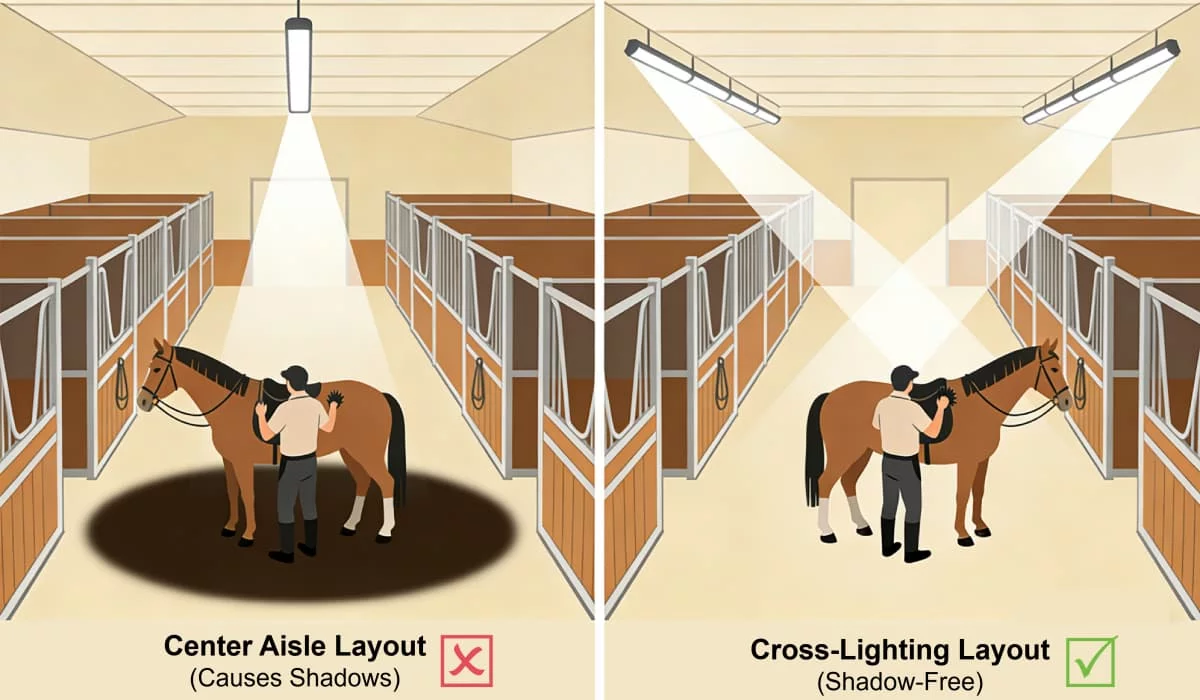
Ein häufiger Fehler beim Stallbau ist das Aufhängen einer einzelnen Lampenreihe genau in der Mitte des Stallgangs. Das Problem? Wenn man im Stallgang steht, um ein Pferd zu putzen, zu satteln oder einen Huf zu untersuchen, verdeckt der eigene Körper das Deckenlicht und wirft einen dunklen Schatten genau dort, wo man Licht benötigt.
Die Profi-Lösung : Verwenden Sie ein zweireihiges Layout . Installieren Sie die Leuchten entlang der Außenkanten der Gangdecke (oder hoch oben an den Wänden) und positionieren Sie sie in einem Abstand von etwa 1,8 bis 2,4 Metern.
Warum es funktioniert : Dadurch entsteht ein „Kreuzlichteffekt“. Das Licht trifft das Pferd von links und rechts und hebt so effektiv die Schatten auf. Tierarzt und Hufschmied können die Beine und den Bauch des Pferdes deutlich besser sehen und die Arbeit dadurch viel sicherer gestalten.
2. Strategische Platzierung & Höhe
Sicherheit geht vor. Pferde sind neugierige, kräftige und große Tiere.
l Höhenregel : Vorrichtungen sollten im Allgemeinen mindestens 8 bis 10 Fuß über dem Boden montiert werden, um sie außerhalb der Reichweite eines aufbäumenden Pferdes zu halten.
In Boxen : Bei niedriger Deckenhöhe sollten die Lampen in den Ecken statt in der Mitte angebracht werden. Platzieren Sie niemals eine Leuchte direkt über einem Heuraufe oder Wassereimer, wo sich der Kopf eines Pferdes ständig in unmittelbarer Nähe befindet. Verwenden Sie in Boxen immer Schutzkäfige oder stoßfeste Linsen.
Vergessen Sie nicht den Außenbereich : Viele Pferdebesitzer bereuen es, nur den Innenbereich beleuchtet zu haben. Installieren Sie Außenwandleuchten oder Flutlichter über den Boxentüren (Ausläufen), damit Sie nachts nach den Pferden auf ihren Außenpaddocks sehen können.
3. Intelligente Schaltung und Zonensteuerung
Ihre Scheune erfüllt zu verschiedenen Tageszeiten unterschiedliche Funktionen. Sie brauchen nicht immer die gesamte Anlage wie ein Stadion beleuchtet.
l Zonierung : Schließen Sie Ihre Beleuchtung an separate Stromkreise an. So können Sie bei einer nächtlichen Kontrolle nur die Stallbeleuchtung einschalten, ohne von der hellen Gangbeleuchtung geblendet zu werden.
Der „Nachtkontroll“-Stromkreis : Erwägen Sie die Installation eines separaten, energiesparenden „Leitlichtstromkreises“. So können Sie sich sicher im Stall bewegen, um nach einem Pferd mit Kolik oder einer fohlenden Stute zu sehen, ohne die anderen Tiere zu wecken.
l Dimmer : Erwägen Sie die Installation von Dimmern für die Stallbeleuchtung. Das langsame Erhöhen der Lichtstärke am Morgen ist für Pferde weniger stressig als ein plötzlicher Helligkeitsschub von 100 %.
Denken Sie an die Stromversorgung : Berücksichtigen Sie bei der Planung Ihrer Beleuchtung die Standorte Ihres Hufschmieds und Tierarztes. Stellen Sie sicher, dass Ihre gut beleuchteten Pflegebereiche auch über leicht zugängliche FI-Schutzschalter-Steckdosen in der Nähe verfügen, damit Kabel im Dunkeln keine Stolperfallen darstellen.
Warum ist die FTC-Technologie von Ceramiclite langlebiger als Standard-LEDs?
Wir haben über Lumen, Layouts und Leuchten gesprochen. Aber es gibt einen versteckten Feind in jedem Pferdestall, den die meisten Beleuchtungshersteller ignorieren: Ammoniak .
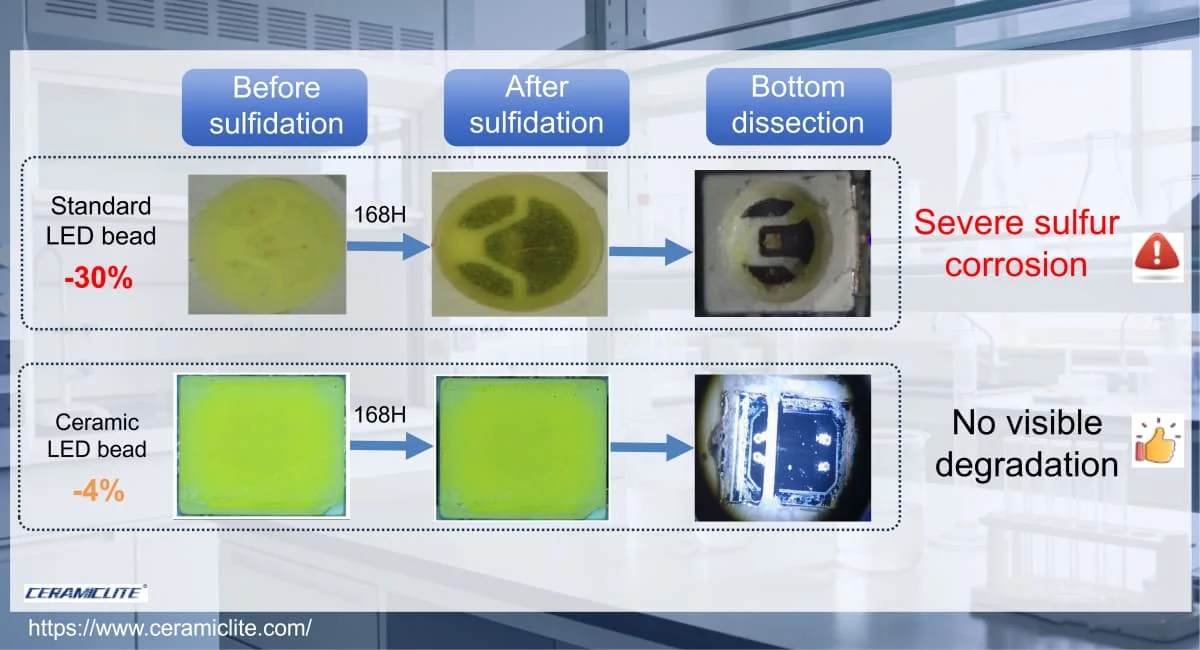
Standard-LED-Leuchten bestehen üblicherweise aus Silikon und Leuchtstoffpulver . Für Garagen oder Büros sind sie zwar geeignet, doch in der Landwirtschaft weisen sie eine gravierende Schwäche auf. Die Ammoniakdämpfe, die beim Umgang mit Urin und Gülle entstehen, korrodieren das Silikon, wodurch die Linse vergilbt, Risse bekommt und schnell – oft innerhalb von ein bis zwei Jahren – an Leuchtkraft verliert.
Deshalb ist Ceramicliteist anders.
Der "Ammoniak"-Killer: FTC-Technologie
Wir verwenden die fluoreszierende transparente Keramik (FTC) -Technologie , die speziell für raue landwirtschaftliche Umgebungen entwickelt wurde
Ø Korrosionsbeständig: Im Gegensatz zu Silikon ist Keramik ein anorganisches Material. Es ist absolut beständig gegen Säuren, Laugen und Schwefel (Ammoniakdämpfe). Das bedeutet, dass Ihre Lampen nicht vergilben oder an Leuchtkraft verlieren und ihre ursprüngliche Helligkeit Jahr für Jahr beibehalten.
Ø Gebaut, um zu überleben : „Während Standard-LEDs die grundlegenden Anforderungen erfüllen, wurde die FTC-Technologie von Ceramiclite so konstruiert, dass sie den rauen chemischen Bedingungen einer Arbeitsscheune standhält.“
Überlegenes Wärmemanagement für mehr Sicherheit
Hitze ist der Feind von Elektronik und stellt auch in Scheunen ein Risiko dar.
Keramik vs. Aluminium : Unsere Keramikchips weisen eine Wärmeleitfähigkeit von bis zu 10 W/m·K auf und sind damit herkömmlichen Materialien deutlich überlegen. Dadurch wird Wärme sofort abgeleitet, die Leuchte bleibt kühl und ihre Lebensdauer verlängert sich signifikant auf über 10 Jahre .
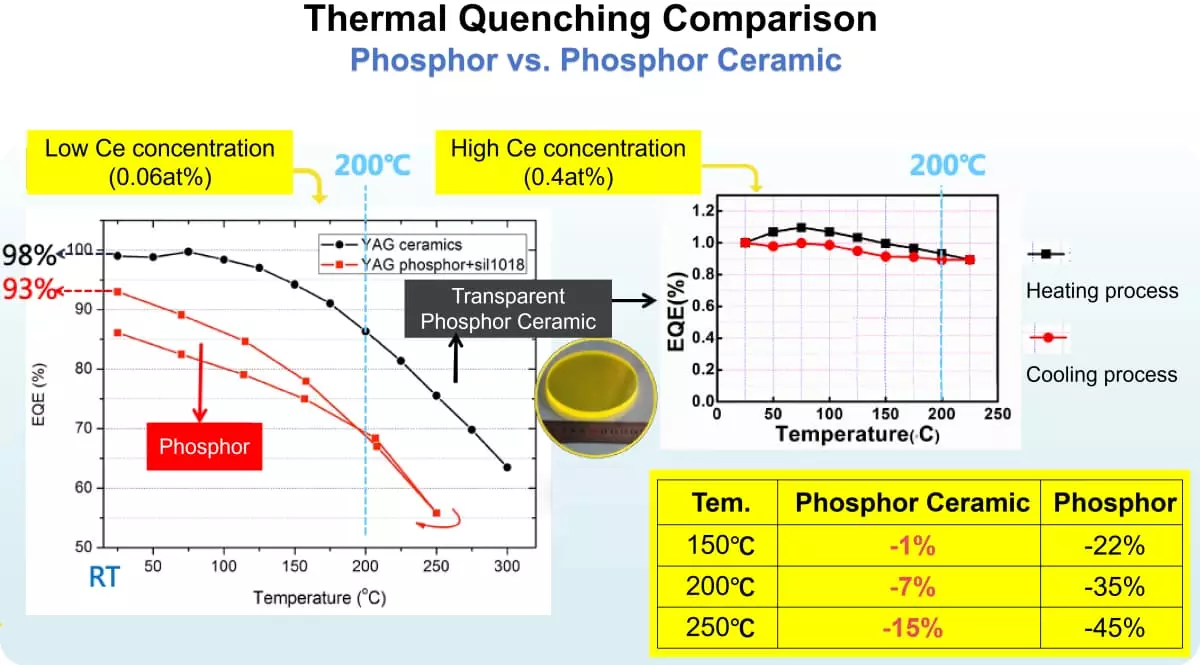
Wenn Sie sich für Ceramiclite entscheiden, kaufen Sie nicht nur eine Lampe, sondern investieren in ein Jahrzehnt wartungsfreier Sicherheit.
Fazit
Die richtige Beleuchtung eines Pferdestalls ist eine Investition in die Sicherheit Ihrer Pferde und die Effizienz Ihres Tagesablaufs. Indem Sie sich auf den richtigen Typ (dampfdicht/linear), die richtige Stärke (berechnete Foot-Candles) und die richtige Anordnung (schattenfreie Positionierung) konzentrieren, können Sie einen dunklen, düsteren Stall in eine helle, professionelle Anlage verwandeln
Denken Sie daran, dass die Anforderungen an einen Putzplatz sich deutlich von denen einer Reithalle unterscheiden. Lassen Sie Ihre Pferde nicht im Dunkeln.
Bereit für die Modernisierung Ihrer Scheune?
Ob Sie einen einzelnen Stall umbauen oder ein riesiges Reitzentrum planen – die richtige Lösung ist entscheidend. Entdecken Sie unsere Produkte der Equine Series. Oder kontaktieren Sie noch heute unser Team. Nutzen Sie eine kostenlose Lichtsimulation, um genau zu sehen, wie viele Leuchten Sie für Ihre spezifische Anordnung benötigen.