_thumb.jpg)
LEDワークショップライト:産業用ワークスペースに最適な製品
目次
どのような種類の LED ワークショップ ライトが利用可能ですか?
ワークショップに最適な LED ライトを選択するにはどうすればよいですか?
ワークショップ照明を設置する前に知っておくべきことは何ですか?
ワークショップ照明とは何ですか?
作業場照明とは、自宅のガレージからプロの木工所まで、あらゆる作業場を明るく、安全で、効率的にするために設計された照明設備を指します。単に明るいだけでなく、 細部をはっきりと見やすく、ミスを防ぎ、長時間の作業でも快適に過ごせるような適切な照明を備えることが重要です。
作業場において、適切な照明とは、明るさのバランス、影の最小化、そして正確な色再現を意味します。小さな部品のはんだ付け、表面の塗装、機械の修理など、作業内容を問わず、適切な照明は目の疲れを軽減し、作業の正確性を維持します。
だからこそ、LEDワークショップライトは 急速に現代の人気を集めています。エネルギー効率が高く、耐久性に優れ、鮮明でちらつきのない光を瞬時に提供します。ますます多くのメカニック、DIY愛好家、職人がLEDソリューションで作業スペースをアップグレードし、かつては薄暗かった場所を明るく生産性の高い空間に変え、あらゆるプロジェクトを少しでも楽しくしています。
ワークショップで適切な照明が重要なのはなぜですか?
適切な照明は、作業場を明るく見せるだけではありません。作業の安全性、正確性、快適性に直接影響します。なぜそれほど重要なのか、以下に説明します。
(1) 安全第一
明るく均一な照明は事故の予防に役立ちます。電源コード、鋭利な工具、滑りやすい場所などを、トラブルを引き起こす前に簡単に見つけることができます。影や薄暗い隅は職場での怪我の原因となることがよくありますが、適切な照明はそれらを排除します。
(2) 作業効率の向上
細部まで見える化により、手と目はより速く、より正確に作業できます。見やすくするために姿勢を調整したり、視界が悪いために作業をやり直したりする時間を無駄にすることがなくなります。明るい作業スペースは、ワークフローをスムーズかつ集中的に進めます。
(3) 視覚的な快適さと疲労の軽減
強い光やムラのある光の下で何時間も作業すると、目の疲れや頭痛を引き起こす可能性があります。適切な作業場照明は、バランスの取れた明るさを提供し、目をリラックスさせ、より長時間の生産性を維持できるようにします。
(4) 正確な色認識
塗装、電気配線、木材の仕上げといった作業では、色の正確さが鍵となります。優れたCRI(演色評価数)を備えた高品質のLED照明は、本来の色を忠実に再現し、作業の仕上がりを思い通りに仕上げます。
つまり、適切な照明設定は、作業場をより安全にし、プロジェクトをより明確にし、思考をより明晰にします。これは、真に機能的なワークスペースの基盤となるのです。産業用LED照明の最新情報について詳しくはこちらをご覧ください。
LED は蛍光灯やハロゲン灯と比べてどうですか?
ブンブンと音を立てる蛍光灯や灼熱のハロゲンランプの下で作業した経験があれば、すべての照明が同じではないことをご存知でしょう。産業用照明において、LEDはリードを保っています。そして、それには十分な理由があります。LED作業場照明をより賢明な選択にする主な違いを詳しく見ていきましょう。
(1) エネルギー効率 – 明るい光、低い電気代
LEDはエネルギーの約90%を光に変換し、熱としてほとんど無駄になりません。これに対し、蛍光灯は最大30%、ハロゲンランプはさらに多くのエネルギーを無駄にしています。つまり、同じ明るさをはるかに少ない電力で楽しむことができるのです。
(2) 長寿命 - 交換回数が少なく、手間がかからない
優れたLED照明器具は50,000時間以上も持ちますが、蛍光灯は平均10,000~15,000時間、ハロゲンは約2,000時間です。忙しい作業場にとって、これは大きなメリットです。作業中断が減り、メンテナンスコストが削減され、切れた電球を交換するために梯子に登る必要もなくなります。
(3) 光の質と色の正確さ - 真のディテールを見る
LEDは優れた演色性(CRI ≥ 80)を備え、素材や塗装の色合いを正確に見ることができます。蛍光灯は緑がかった色合いになりやすく、ハロゲンは暖色系になりすぎることがあります。細部までこだわった色彩表現が求められるプロジェクトでは、LEDが最も鮮明な映像を提供します。
(4) 明るさの安定性と光減衰
蛍光灯やハロゲンランプは、経年劣化により急速に明るさを失い、ちらつきが生じます。一方、LEDは長年にわたり安定した出力を維持し、1日目から5年後まで、そしてそれ以降も安定した照明を提供します。
(5) メンテナンスと耐久性
LEDはメンテナンスがほぼ不要です。交換するバラストも、壊れやすいフィラメントも、ウォームアップ時間も不要です。さらに、ソリッドステート設計は振動や衝撃に強いため、工具や機器が常に移動する作業場にも最適です。
まとめると、
LEDは蛍光灯やハロゲンランプを、効率、寿命、色品質、安定性、メンテナンスといった主要項目すべてで凌駕しています。だからこそ、プロやDIY愛好家の間でLEDへの切り替えが進んでいるのです。LEDのクリーンで明るく、そして信頼できる光を一度体験すれば、もう元には戻れないでしょう。
どのような種類の LED ワークショップ ライトが利用可能ですか?
作業場は様々な形や大きさがあり、照明のニーズも様々です。コンパクトなガレージでも、広々とした工業用ベイでも、それぞれの用途に最適なLEDソリューションが見つかります。ここでは、最も一般的なLED作業場照明の種類 と、それらが最も効果的に機能する場所について簡単に説明します。
(1)LEDリニアライト - クリーンで連続的な照明
LEDリニアライトは、作業台や組立ライン全体に均一な照明を提供する、細長いスリムな照明器具です。均一な明るさが求められる木工所や広い作業エリアにおいて、天井取り付けや吊り下げ設置に最適です 。
最適な 用途: 一般的な作業場の照明、木工テーブル、長い作業面。
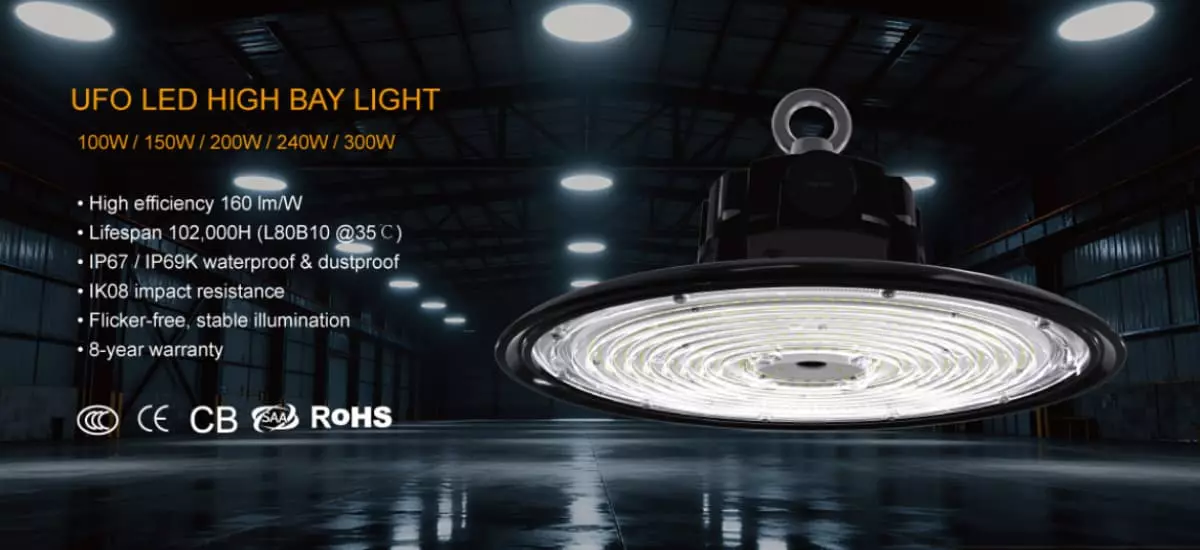
(2) UFOハイベイLEDライト – 高い空間を明るく照らす
作業場の天井が高い(4メートル以上)場合は、ハイベイLEDライトが最適です。円形の「UFO」デザインは、パワフルでワイドビームの照明を実現し、広い空間を均一に照らします。工場の作業場、ガレージ、倉庫など、 影のない明るい光が不可欠な場所でよく使用されます。
最適な 用途: 大型ガレージ、金属作業場、工業施設。
(3)LEDバテンライト – スタイリッシュでコンパクト、そして効率的
バテンライトは、すっきりとしたモダンな外観で、天井や壁に直接簡単に設置できます。十分な明るさと低グレアを兼ね備えており、実用性と美しさの両方を求める自宅の作業場や収納スペースに最適です 。
最適な 用途: 小規模なワークショップ、DIY ルーム、工具保管ゾーン。
(4) LEDチューブライト – 定番のアップグレード
古い蛍光灯の交換用に設計されたLEDチューブライトは、手頃な価格でプラグアンドプレイ式のアップグレードです。既存の照明器具にそのまま取り付けられるため、照明器具全体を再設計することなく、明るさとエネルギー効率を簡単に向上させることができます。
最適な 用途: ガレージワークショップや古い照明システムの改造。
(5)LEDトリプルプルーフライト - 過酷な環境にも耐える
「トリプルプルーフ」とは、防水、防塵、耐腐食性を意味します。これらのライトは、自動車修理工場、塗装工場、屋外作業場など、埃、油、湿気がつきやすい過酷な環境向けに作られています。
最適な 用途: 自動車工場、高負荷製造スペース、湿気の多い環境。
LEDワークショップライトは、バテンのすっきりとしたラインからハイベイのパワフルな光まで、それぞれに独自の利点があります。最適な選択は、天井の高さ、作業スペースの広さ、そしてプロジェクトに必要な明るさによって異なります。
作業場の照明はどのくらい明るくするべきですか?
When it comes to lighting a workshop, brightness isn’t about making it as bright as possible — it’s about finding the right balance between visibility, comfort, and efficiency. Too dim, and you’ll strain your eyes; too bright, and glare will make detailed work harder.
Here’s how to figure out what you really need:
(1) Start With the Basics: Lumens vs. Lux
Lumens (lm) measure total light output from a bulb or fixture.
Lux (lx) measures how much light actually reaches a surface (lumens per square meter).
A simple formula to estimate total brightness needs is:
Total lumens = Room area (㎡) × Target lux level
For example, a 20㎡ workshop needing 700 lux would require about 14,000 lumens in total.
(2) Recommended Brightness Levels for Different Workshops
Here are some general targets to keep your industrial LED lighting both comfortable and efficient:
Workshop Type | Recommended Brightness | Typical Tasks |
Basic garage or DIY area | 300–500 lux | Storage, light repairs |
Mechanical workshop | 500–750 lux | Engine work, machine operation |
Woodworking shop | 600–1000 lux | Precision cutting, sanding, finishing |
Metal or paint workshop | 700–1000 lux | Fine detailing, inspection |
Electronics or craft table | 800–1200 lux | Delicate assembly, soldering |
(3) Match Brightness to Ceiling Height and Layout
High ceilings disperse light more widely, so spaces using high bay LED lights may need higher lumen output or narrower beam angles to maintain brightness on the work surface. In smaller workshops, linear or batten LEDs with wider beams can evenly fill the space without glare.
(4) Use Multiple Light Sources for Even Coverage
Instead of relying on one super-bright fixture, use several evenly spaced lights. This reduces shadows and creates a more pleasant working environment. Over benches or machines, consider adding task lighting to boost visibility exactly where it’s needed.
Practical tip:
If you’re unsure, aim for around 700 lux as a balanced starting point — it’s bright enough for most work while remaining easy on the eyes. You can always layer in more light later for detailed tasks.
How Do I Choose the Best LED Lights for Workshop?
Choosing the right LED lights for your workshop isn’t just about picking the brightest option — it’s about finding what fits your space, work type, and environment. Here’s a practical guide to help you make a confident choice.
(1) Match the Light to Your Ceiling Height
Low ceilings (under 3 meters): Go for LED batten lights or linear lights. They spread light evenly without creating glare.
Medium to high ceilings (3–6 meters): Choose UFO high bay lights for powerful, wide-beam illumination that reaches the floor effectively.
(2) Consider Your Workshop Size and Layout
Small workshops (under 20㎡): Two to four linear fixtures are usually enough.
Large workshops or garages: Combine multiple rows of high bay LEDs for uniform brightness.
Make sure the fixtures are spaced evenly to avoid dark corners or shadows on workbenches.
(3) Check the Color Rendering Index (CRI)
A high CRI (≥80) means colors appear true and details stand out — especially important for painting, wiring, and precision work. Low-CRI lights can distort colors, making materials look off or inconsistent.
(4) Choose the Right Color Temperature (CCT)
4000K–5000K (neutral to cool white): Ideal for workshops — bright, crisp, and energizing.
3000K (warm white): Creates a softer, cozier light, but may reduce clarity for detailed tasks.
Stick with neutral or cool white if you want your workspace to feel bright and focused.
(5) Don’t Ignore the IP Rating (Protection Level)
Workshops can get dusty, oily, or humid — so your lights should handle it.
IP20–IP40: Suitable for clean, dry indoor spaces.
IP65 or higher: Waterproof and dustproof — best for car workshops, paint rooms, or outdoor areas.
(6) Factor in Energy Efficiency and Maintenance
Look for lights with high lumens per watt (≥120 lm/W) and a long lifespan (≥50,000 hours). They save energy, reduce heat, and cut down replacement costs.
(7) Extra Smart Features (Optional)
Modern workshop lights can include motion sensors, dimming controls, or even smart connectivity — great for reducing energy use and adding convenience.
Quick Tip:
If you’re unsure where to start, pick LED workshop lights with:
4000–5000K color temperature
CRI ≥ 80
IP65 rating (for dusty or damp areas)
120–150 lm/W efficiency
These specs will fit most real-world workshops and provide reliable, long-term lighting performance.
What Should I Know Before Installing Workshop Lighting?
Installing workshop lighting doesn’t have to be complicated — but a few smart choices can make a big difference in how bright, comfortable, and efficient your space feels. Here’s what to keep in mind before you start.
(1) Plan the Layout First
Sketch your workshop and mark where each light should go. Focus on areas where you work the most — like benches, cutting tables, or tool stations. Good spacing helps you avoid dark corners and harsh shadows.
(2) Set the Right Mounting Height
For low ceilings (2.5–3m): Mount LED batten or linear lights about 2.4–2.7m high.
For higher ceilings (4m+): Use UFO high bay lights to spread light evenly across the workspace.
Too low = glare. Too high = uneven brightness. Find the sweet spot for your ceiling height.
(3) Keep Spacing Consistent
Even spacing between fixtures ensures smooth, uniform lighting. A simple rule: the distance between lights should be roughly 1–1.2 times the mounting height.
(4) Watch Out for Glare
Harsh glare can cause eye fatigue. Choose lights with a diffuser cover or frosted lens to soften brightness. For areas with reflective surfaces, angle the fixtures slightly to reduce reflections.
(5) Choose a Consistent Color Temperature
Stick to 4000K–5000K for a clean, focused look. Mixing warm and cool tones can make your space feel unbalanced or affect color judgment during detailed work.
(6) DIY or Professional Installation?
DIY installation: Fine for small workshops if you’re comfortable with basic wiring and mounting. Always switch off the power and double-check connections.
Professional installation: Recommended for larger setups, multiple circuits, or ceiling-mounted high bay LED lights. It ensures safety and proper wiring load management.
Quick Tip:
Before turning on your new lights, step back and check — is the light even? Are there shadows on your workspace? Adjust angles or add task lights where needed. A few tweaks now can make your workshop feel perfect for every project.
Are LED Workshop Lights Worth the Investment?
Absolutely — LED workshop lights are one of the smartest upgrades you can make for any workspace. Here’s why:
Energy Savings: LEDs use up to 70–80% less electricity than traditional fluorescent or halogen lights, instantly reducing your utility bills.
Long Lifespan: With 50,000+ hours of lifespan, you’ll spend far less time (and money) replacing burnt-out lamps.
Consistent Brightness: LEDs maintain steady light output without flicker — a big plus for tasks requiring precision like woodworking or metalwork.
Low Maintenance: Their durable design and low heat output mean less cleaning, fewer failures, and better safety in industrial environments.
Better Visibility: High CRI and customizable color temperatures improve visual comfort, helping reduce eye strain during long hours of work.
In short, LED workshop lighting delivers reliable brightness, efficiency, and value that pay off over time. Whether you’re upgrading a small garage or a large manufacturing floor, investing in LEDs isn’t just about light — it’s about performance and long-term ROI.
Discover Ceramiclite’s professional-grade industrial lighting solutions今日、より明るく、より安全で、より効率的なワークスペースのために設計されています。