_thumb.jpg)
Iluminación deportiva para exteriores de expertos: diseño, estándares y guía de retorno de la inversión.
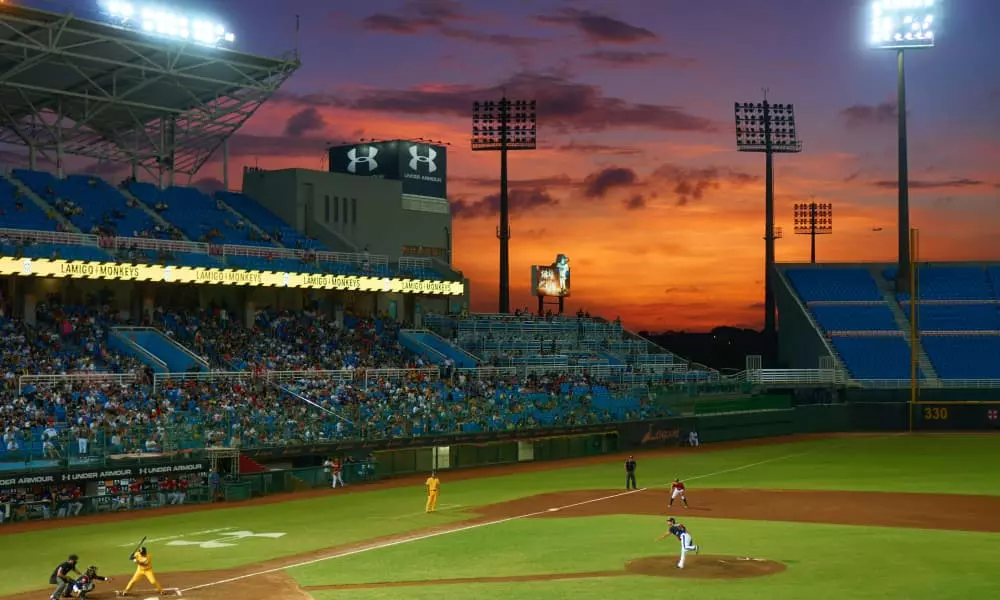
Tabla de contenido
¿Por qué el mundo se está pasando a la iluminación deportiva LED?
Principales normas de iluminación: IES, EN y requisitos globales.
Detalles de la aplicación: Iluminación a medida para cada deporte.
Cómo solucionar el dolor de cabeza causado por la contaminación lumínica.
5 preguntas que debes hacerle a tu proveedor de iluminación.
Introducción
La iluminación deportiva exterior de alto rendimiento consiste en la aplicación estratégica de tecnología LED avanzada para proporcionar una iluminación uniforme y sin deslumbramientos en instalaciones deportivas. Un sistema profesional garantiza el cumplimiento de estrictas normas de seguridad , como IES RP-6-20 o EN 12193 , a la vez que mejora significativamente la experiencia de jugadores, espectadores y comentaristas.
El reto de los recintos modernos
Seamos realistas : gestionar una instalación deportiva al aire libre en 2025 es todo un reto.
Ya sea que esté renovando un campo de fútbol municipal , construyendo una nueva cancha de pickleball o administrando un estadio universitario, es probable que se enfrente a los mismos tres problemas:
l Los costos de la energía se disparan.
l Normativa estricta de "cielo oscuro" (leyes sobre contaminación lumínica).
l Exigencias de brillo con calidad de televisión.
Si aún utiliza lámparas antiguas de halogenuros metálicos o de sodio de alta presión, no solo está perdiendo luz , sino también dinero.
Esta guía elimina la complejidad técnica y ofrece una hoja de ruta clara, desde el cumplimiento normativo hasta el diseño fotométrico , garantizando que usted invierta en una solución de iluminación para estadios deportivos que maximice la seguridad de los jugadores y minimice los costes operativos a largo plazo.
¿Por qué el mundo se está pasando a la iluminación deportiva LED?
El cambio de la iluminación tradicional HID (descarga de alta intensidad) a la iluminación LED no es solo una tendencia , sino el nuevo estándar de la industria.
Si aún dudas si la actualización merece la inversión, los datos hablan por sí solos. He aquí por qué las instalaciones de Estados Unidos y Europa están reemplazando sus sistemas antiguos.
1. Reducción masiva de energía (el factor clave para el retorno de la inversión)
Las matemáticas son sencillas. La iluminación LED para exteriores en deportes consume normalmente entre un 50 % y un 70 % menos de energía que las luminarias tradicionales de halogenuros metálicos.
Para un campo de fútbol o estadio de fútbol americano estándar al aire libre con iluminación durante 1000 horas al año, esto se traduce en miles de dólares de ahorro anual. El retorno de la inversión (ROI) para la mayoría de los proyectos comerciales es ahora inferior a 24 meses.
2. Tecnología de "encendido instantáneo"
Cualquiera que haya manejado luces de campo antiguas conoce el engorro del periodo de calentamiento. Si se corta la luz, puede que tengas que esperar entre 15 y 20 minutos para que vuelvan a encenderse.
Los LED suponen un cambio radical en este caso. Ofrecen la posibilidad de encenderse y apagarse instantáneamente .
Sin esperas: las luces están listas en el instante en que pulsas el interruptor.
Entretenimiento: Esto permite realizar espectáculos de luces dinámicos y efectos intermitentes durante el descanso o la presentación de los jugadores , una función que antes era imposible con las lámparas HID.
3. Mantenimiento cero durante una década
El "coste oculto" de la iluminación exterior no es la bombilla; es la carretilla elevadora especializada y la mano de obra necesarias para cambiarla a 18 metros de altura.
Las bombillas tradicionales suelen necesitar ser reemplazadas cada 3.000 a 5.000 horas. En cambio, las luminarias deportivas LED de alta calidad , especialmente aquellas con gestión térmica avanzada como Ceramiclite , tienen una vida útil de entre 50.000 y más de 100.000 horas .
Eso significa que, una vez instalados, probablemente no tendrás que tocarlos durante más de 10 años.
Principales normas de iluminación: IES, EN y requisitos globales.
La iluminación no se trata solo de hacer que las cosas brillen; se trata de seguir las reglas.
Tanto si te encuentras en EE. UU. siguiendo las directrices de la IES (Illuminating Engineering Society) como en Europa cumpliendo la norma EN 12193 , no cumplir con los niveles de lux específicos puede significar que tu campo no sea apto para partidos oficiales o , peor aún, que no sea seguro para los jugadores.
No te pierdas entre las siglas. Aquí tienes un desglose de las tres principales "Clases de Juego" que determinan tus necesidades de iluminación.
Comprender las 3 clases
La mayoría de las normas de iluminación para campos deportivos clasifican las instalaciones según el nivel de competición:
Clase I (Profesional y Televisada) : Competencia de primer nivel. Requiere un alto brillo (lux) y una uniformidad excepcional para que las cámaras puedan capturar repeticiones a cámara lenta sin parpadeo.
l Clase II (Universitaria y Semiprofesional) : Juego de alto nivel, pero generalmente sin grandes requisitos de transmisión televisiva. Común en universidades y grandes clubes regionales.
l Clase III (Recreativa y de Entrenamiento) : Campos municipales locales, campos de práctica de escuelas secundarias y uso general para educación física.
Guía de referencia rápida: "Hoja de referencia" del nivel de Lux
Esto es lo que normalmente debes tener en cuenta al planificar tu proyecto:
Clase/Nivel | Objetivo típico de Lux | Índice de uniformidad | Ideal para... |
Clase I | 500 - 750+ Lux | 0,7 | Estadios profesionales / Eventos nacionales |
Clase II | 300 - 500 Lux | 0,6 | Partidos universitarios / Ligas regionales |
Clase III | 200 - 300 Lux | 0,5 | Entrenamiento / Educación Física Escolar / Ligas Recreativas |
Una nota sobre la durabilidad global
Si bien las normas IES y EN se centran en la calidad de la luz, no hay que ignorar el cumplimiento de la normativa medioambiental.
Si su proyecto se ubica en una región con fuertes lluvias (como el sudeste asiático o el Reino Unido) o con presencia de sal marina en la costa (como Florida), los accesorios estándar no durarán.
Asegúrese de que sus luminarias deportivas para exteriores tengan una clasificación mínima de IP66 (resistentes al agua y al polvo) y carcasas resistentes a la corrosión. Esto garantiza que su inversión perdure a la intemperie mucho después de que expire la garantía.
Detalles de la aplicación: Iluminación a medida para cada deporte.
Iluminar un campo de fútbol de grandes dimensiones requiere un diseño óptico completamente diferente al de una cancha compacta de pickleball. Para obtener el mejor retorno de la inversión (ROI) y la máxima satisfacción de los jugadores, es necesario adaptar la iluminación a las exigencias específicas de este deporte.
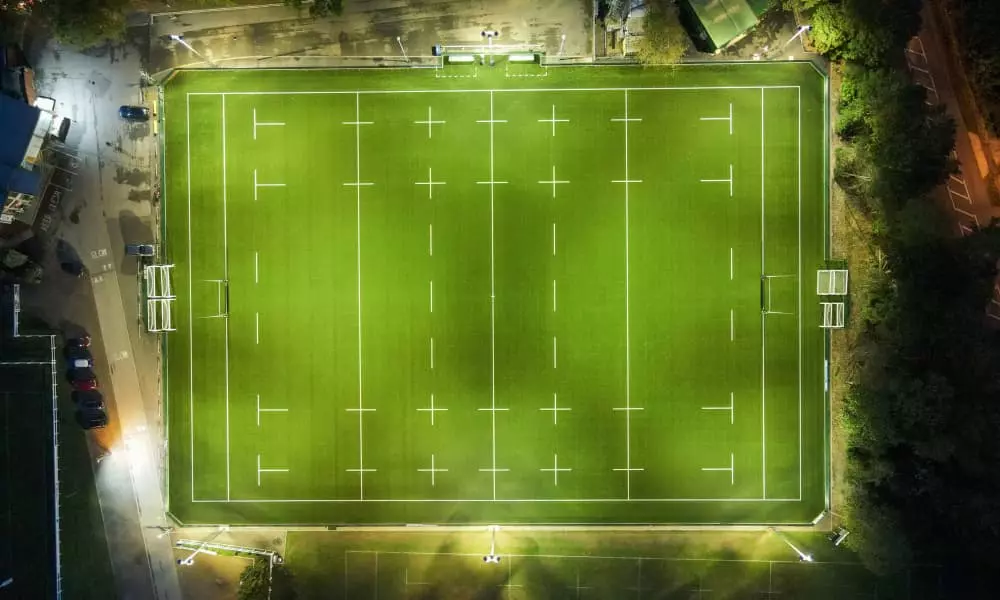
Deportes de cancha: tenis, baloncesto y pickleball.
En los deportes de cancha, la acción es rápida, el balón suele ser pequeño y el área de juego es reducida. El mayor enemigo aquí es el deslumbramiento . Dado que los jugadores y los espectadores están cerca de la acción, controlar el brillo en ángulos elevados es fundamental para evitar que los atletas queden cegados.
Tenis:
Según las normas de la ITF (Federación Internacional de Tenis) , la visibilidad es fundamental. La regla de oro de la iluminación en las canchas de tenis es el posicionamiento. Las luminarias siempre deben instalarse a lo largo de las líneas laterales , nunca directamente detrás de las líneas de fondo. Este enfoque de "iluminación lateral" garantiza que cuando un jugador levanta la vista para sacar o rematar un globo, no esté mirando directamente a un chip LED.
Para especificaciones residenciales o de clubes, consulte nuestro análisis de los estándares de iluminación de pistas de tenis..
Pickleball:
Como el deporte de mayor crecimiento en Estados Unidos, el pickleball tiene requisitos únicos. Debido a que la cancha es más pequeña, los postes de iluminación suelen estar a menor altura (normalmente entre 4,5 y 6 metros) en comparación con el tenis. Esta menor altura de montaje exige ópticas especializadas para distribuir la luz de manera uniforme sin crear puntos de luz intensos en la superficie de la cancha.
Baloncesto:
Para la iluminación de canchas de baloncesto al aire libre , es fundamental prestar especial atención al Índice de Reproducción Cromática (IRC). Recomendamos luminarias con un IRC superior a 80. Una alta fidelidad de color permite a los jugadores seguir el balón al instante y distinguir las camisetas de sus compañeros con la visión periférica durante el juego rápido.
Deportes de campo: fútbol americano, fútbol y béisbol.
Los deportes de campo abarcan superficies enormes. El principal desafío consiste en lograr un " lanzamiento largo " : proyectar la luz desde el borde del campo hasta el centro sin crear sombras oscuras.
Fútbol:
Ya sea para cumplir con las directrices de la FIFA o los requisitos de los clubes locales, la uniformidad es el factor más importante. Los focos mal diseñados crean el temido " efecto cebra " (franjas de luz y sombra en el campo). Esto no solo perjudica la experiencia del espectador, sino que también puede ocultar el balón durante el juego. Una óptica de alta calidad garantiza una iluminación uniforme y constante de portería a portería.
Béisbol y sóftbol:
Estos campos son únicos porque sus necesidades de iluminación no son simétricas. El cuadro interior requiere niveles de lux significativamente más altos que el jardín exterior. ¿Por qué? Porque la mayoría de las jugadas rápidas (lanzamiento, bateo, carreras de bases) ocurren en el diamante. El diseño de iluminación debe priorizar la arcilla del cuadro interior para garantizar la seguridad, manteniendo al mismo tiempo una visibilidad adecuada para los elevados del jardín exterior.
¿Gestiona un recinto de gran tamaño? Descubra nuestras soluciones de iluminación LED de mástil alto para estadios .
Cómo solucionar el dolor de cabeza causado por la contaminación lumínica.
Para los administradores de instalaciones, la mayor pesadilla no es un apagón , sino una demanda de los vecinos.
A medida que las zonas urbanas se vuelven más densas, la contaminación lumínica (la luz que se filtra donde no se desea) se ha convertido en un importante problema legal. Ya sea que se trate de una cancha en el patio trasero o un campo deportivo municipal, el cumplimiento de los principios de DarkSky suele ser obligatorio.
Para mantener tu proyecto seguro, necesitas comprender dos métricas clave:
1. UGR (Índice Unificado de Deslumbramiento)
Esto mide la incomodidad psicológica causada por la luz brillante. Un UGR alto significa que los jugadores entrecerrarán los ojos. Los equipos profesionales utilizan chips profundamente empotrados y lentes especiales para mantener un UGR bajo, lo que garantiza la comodidad visual.
2. Calificaciones BUG (Retroiluminación, Iluminación ascendente, Deslumbramiento)
Este sistema clasifica la cantidad de luz que escapa de la luminaria.
l Retroiluminación : Luz que se filtra detrás del poste (hacia la ventana del vecino).
l Luz ascendente : Luz que se dirige hacia el cielo (arruinando las estrellas/el resplandor del cielo).
l Deslumbramiento : Luz de ángulo elevado que ciega a los observadores.
Si está planificando la iluminación de una cancha deportiva residencial , es fundamental elegir una luminaria con clasificación "B0" o "U0". Esto le permitirá tener una cancha bien iluminada mientras que el área a solo 3 metros fuera de la cerca permanece completamente a oscuras.
¿Cómo diseñar la distribución de la iluminación para instalaciones deportivas al aire libre? (El plano fotométrico)
Por favor, no adivine.
Vemos demasiados proyectos fracasar porque los contratistas simplemente calcularon a ojo la cantidad de postes o la potencia necesaria. La iluminación es una ciencia y requiere un plan fotométrico .
Este es el proceso profesional de 4 pasos que utilizamos en Ceramiclite para garantizar resultados:
Paso 1: Defina el área
. La precisión es fundamental. Una cancha de tenis estándar mide 78' x 36', pero ¿cuánto espacio adicional necesita iluminar? Medimos el Área Total de Juego (ATG) para garantizar la seguridad.
Paso 2: Determinar el uso (Clase) ¿
Vas a organizar partidos televisados (Clase I) o solo entrenamientos nocturnos (Clase III)? Esta decisión determina la cantidad de lúmenes que necesitas.
Paso 3: Colocación y altura del poste
Configuración de 4 postes : común para canchas recreativas (Económica).
Configuración de 6 u 8 polos : Necesaria para una mayor uniformidad y una reducción de las sombras (Profesional).
Nota: Los postes más altos (de 6 metros o más) generalmente permiten una mejor uniformidad y menos deslumbramiento que los postes cortos.
Paso 4: La simulación DIALux
Antes de comprar un solo perno, solicite un informe de simulación DIALux . Este gemelo digital de su campo crea un mapa de calor de los niveles de luz, lo que demuestra con exactitud la luminosidad del campo.
¿Estás planeando construir una nueva cancha? Consulta nuestra guía detallada sobre el diseño de la iluminación para canchas de pickleball y la ubicación precisa de los postes.
¿Tienes curiosidad por saber los costos de instalación? Lee más sobre los factores que influyen en el costo de la iluminación de las canchas de pickleball y otros gastos del proyecto para planificar tu presupuesto con precisión.
5 preguntas que debes hacerle a tu proveedor de iluminación.
Elegir un proveedor de iluminación es un compromiso a 10 años. Antes de firmar cualquier contrato, hágase estas cinco preguntas clave para distinguir a los fabricantes profesionales de los simples revendedores.
1. "¿Ofrecen un informe de simulación DIALux gratuito?"
Nunca compres basándote en suposiciones. Si no pueden proporcionarte un informe generado por computadora que muestre exactamente cómo incidirá la luz en tu campo, mejor no compres.
2. "¿El accesorio es resistente al agua salada y a la corrosión?"
Si sus instalaciones se encuentran cerca de la costa o en una región húmeda, las carcasas de aluminio estándar se oxidarán. Consulte sobre la resistencia a la corrosión por niebla salina y el cumplimiento de la norma IP66 para garantizar su durabilidad.
3. "¿Qué es la clasificación L70?"
"L70" indica cuántas horas funciona la luz antes de perder el 30% de su brillo. Una luz económica podría tener una vida útil de L70 a las 10 000 horas. Una luminaria profesional debería tener una vida útil de L70 a las 50 000 horas o más .
4. "¿Estas luces son compatibles con sistemas de control inalámbricos?"
Prepara tu local para el futuro. Pregunta si los controladores son compatibles con DALI, Zigbee u otros sistemas de control inteligente para que puedas atenuar las luces o programarlas mediante tu smartphone.
5. "¿Qué cubre realmente la garantía?"
Algunas garantías solo cubren el chip LED, no el controlador (la pieza con mayor probabilidad de fallar). Asegúrese de obtener una garantía completa de 5 a 10 años que cubra piezas y mano de obra.
Conclusión y CTA
La iluminación deportiva al aire libre ya no se trata solo de atornillar una lámpara brillante a un poste. Se trata de un equilibrio estratégico entre rendimiento visual , cumplimiento normativo y rentabilidad .
Ya sea que estés modernizando un estadio universitario o construyendo un club comunitario de pickleball, el sistema de iluminación adecuado reducirá tus gastos y mantendrá a tus jugadores seguros. Uno incorrecto provocará quejas por deslumbramiento y problemas de mantenimiento.
¿Listo para transformar tu local?
No dejes tu proyecto a oscuras. Ya sea un campo de fútbol de campeonato o una cancha de tenis privada, contacta hoy mismo con Ceramiclite. Nuestros ingenieros te ofrecerán un diseño de iluminación gratuito y un presupuesto personalizado para llevar tu proyecto al siguiente nivel.