_thumb.jpg)
ピックルボールコート照明費用完全ガイド 2026
目次
ピックルボール コートの照明コストは何によって決まりますか?
特殊照明のコストシナリオ(改修、アップグレード、コンバージョン)
LED 照明と従来の照明 — どちらがコスト効率が高いでしょうか?
ピックルボールコートの照明コストを削減する方法(実用的なヒント)
裏庭の設置を計画している場合でも、コミュニティ コートをアップグレードする場合でも、商業施設を建設する場合でも、ピクルボール コートの照明コストを理解することは不可欠です。
このガイドでは、コストの範囲、予算に影響を与える主な要因、一般的な照明レイアウト、よくある質問など、2025 年の実際の価格について詳しく説明します。これにより、自信を持って計画を立て、不要な費用を回避できます。
ピックルボール コートの照明コストは何によって決まりますか?
ピックルボールコートの照明にかかる総費用は、いくつかの重要な要素によって決まります。それぞれの要素を理解することで、現実的な予算を見積もり、予期せぬ出費を避けることができます。
1) 照明の種類: LED vs メタルハライド
LED照明器具は初期費用は高くなりますが、消費電力ははるかに少なく、メンテナンスもほとんど必要ありません。
メタルハライド(MH) は初期費用が安いですが、エネルギー消費量が多く、ウォームアップに時間がかかり、寿命も短くなります。
新しいコートのほとんどは、長期的な運用コストを削減できるため、LED を選択しています。
2) 照明器具の数とワット数
典型的なコートでは、300W~600WのLED照明器具が使用されます。
ワット数が高いほど明るさも高くなります。
照明器具が増えると均一性が向上し、影が少なくなります。
ワット数と数量は両方とも機器コストを直接増加させます。
3) 照明柱(高さ、材質、数量)
より高いポール(20〜26フィート)を使用するとカバー範囲は広がりますが、コストは高くなります。
スチール製のポールが標準で、より頑丈なポールの場合は価格が上がります。
基本的なセットアップでは4 本のポールを使用しますが、より大規模なセットアップやプロ仕様のセットアップでは6 ~ 8 本のポールが必要になる場合があります。
4) コートレイアウト:シングルコート vs マルチコート
コートが 1 つあれば 、必要な照明やポールの数が少なくなります。
サイドバイサイドのコートでは、 暗い部分を避けるために、より均等に分散された照明が必要です。
複数のコートを備えた複合施設は、当然総コストが最も高くなります。
5) 照度要件(ルクスレベル)
欧州規格EN 12193:2017は、 スポーツ照明の性能を3つの公式クラスに分類しています。ピックルボールは他のスモールボールの屋外スポーツと同じカテゴリーに分類されるため、同じフレームワークが適用されます。
• クラスI – 国際および国内大会(500ルクス以上)
このレベルは、高速プレー、プロの試合、そして放送での使用にも対応します。
非常に高い均一性と厳格なグレアコントロールにより、選手は優れた視認性を得られます。
このクラスを達成するには、通常、より多くのポール、より高いルーメンの照明器具、そして正確な照準が必要になります。
• クラスII – 地域/クラブ競技(300~500ルクス)
クラブリーグ、トレーニングセンター、そして定期的な競技に適しています。
バランスの取れた明るさと良好な均一性により、選手は高速ショットを快適に追跡できます。
ほとんどの商業ピックルボール クラブはこの範囲を目指しています。
• クラスIII – レクリエーション/コミュニティプレイ(200~300ルクス)
公園、コミュニティコート、一般練習場向けに設計されています。
競技レベルのシステムほどのコストをかけずに、安全で快適な照明を提供します。
器具数が少なく、ルーメン出力が低いため、予算を抑えられます。
クラスに応じてコストが変動する理由:
クラスIIIからクラスIに移行するには、より高いルーメン出力、より厳格な均一性(U0/U1目標)、そしてグレアや光漏れを抑制するためのより優れた光学系が必要です。性能向上は通常、器具数の増加、ポールの強度向上、そしてより詳細な設計を必要とし、プロジェクトの総コストに直接的に影響します。
6) インストールの難しさ
複雑な溝掘り、配線、導管の敷設、柱の基礎工事によりコストは増加します。
土壌が固い、ケーブルの距離が長い、地形が不均一ななどの場合は、労働時間が増加します。
7) 制御システムのタイプ
基本的なスイッチ は安価です。
スマート コントロール (タイマー、リモート アクセス、調光) は利便性を高めますが、コストは高くなります。
これらの要因により、ピックルボール コートの照明の価格がプロジェクトごとに大きく異なる理由が説明されます。
ピックルボールコートの照明費用:平均価格の内訳
最新のピックルボールコート照明の価格を理解することで 、現実的な予算を立てることができます。以下は、機器、設置、そしてプロジェクト全体の費用を網羅した、2025年の明確な費用内訳です。
1. 典型的な総費用(2025年の推定)
シングルコート: 6,000~12,000 ドル住宅、小規模コミュニティ、基本的なレクリエーションのニーズに適しています。
コート 2 面 (横並び): 10,000 ~ 18,000 ドルポールを共有するとコート 1 面あたりのコストが削減され、このセットアップの方が経済的になります。
競技レベルのコート: 18,000~30,000 ドル明るさが増し、ポールの数が増え、均一性が厳しくなると、価格も高くなります。
これらの数値には機器と設置が含まれますが、場所やプロジェクトの複雑さによって異なります。
2. 設備費の内訳
照明器具は通常、予算の最大の部分を占めます。
LED 照明器具:各 300 ~ 800 ドル。価格はワット数、光学系、ブランドの品質に応じて変わります。
ポール: 1 本あたり 400 ~ 1,500 ドル。ポールが高くなったり、ゲージが太くなったりすると、コストも高くなります。
取り付け用ハードウェア: 100 ~ 300 ドルブラケット、アーム、耐候性フィッティングが含まれます。
制御システム: 200~1,200 ドル基本的なスイッチは低価格帯です。スマート コントロールはコストは高くなりますが、エネルギーを節約できます。
3. 設置費用の内訳
労働力と現場作業は最終価格に大きな影響を与える可能性があります。
人件費: 1,000~3,000 ドル料金は地元の電気技師とプロジェクトの規模によって異なります。
配線と溝掘り: 800~2,000 ドル配線が長い場合や土壌が硬い場合はコストが増加します。
基礎工事: 500~2,000 ドルポールの土台は風荷重に耐えられるほど安定している必要があります。
これらの項目を組み合わせることで、ピックルボールコートの照明設置にかかる費用 と、プロジェクトごとに価格が異なる理由を理解できます。詳細な見積もりを依頼する前に、この内訳を参考に現実的な出発点を見つけることができます。
特殊照明のコストシナリオ(改修、アップグレード、コンバージョン)
ピックルボールコートのアップグレードや改造は、必ずしもゼロから始める必要はありません。費用は、既存の設備や再利用できる部分によって異なります。以下は、最も一般的なシナリオと、費用の目安です。
1. 古い備品のみを交換する
ポールがまだ良好な状態であれば、古い MH ライトを LED に交換するのが最も簡単で安価なアップグレードです。
費用: コート1つにつき2,000~6,000ドル
1:1 LED交換または改造キット
基礎と柱が同じままなので労力は最小限
古い回路がLEDドライバをサポートできない場合は、新しい配線が必要になる場合があります
このオプションは、レイアウトがすでに照明のニーズを満たしている場合に最適です。
2. 器具とポールの交換
コートによっては、新しい照明以上のものが必要な場合もあります。特に、ポールが短すぎたり、錆びていたり、正しく配置されていない場合はそうです。
費用: コート1つあたり6,000~14,000ドル
新しいポール、固定ブラケット、新しい基礎が含まれています
均一性を向上させる現代的なポールの高さにアップグレードできます
トーナメントレベルの照明を目指すコートでは必須であることが多い
既存のポールが構造基準または照明基準を満たさなくなった場合は、この方法を選択してください。
3. 新しいアクセサリーの追加(バイザー、シールド、照準ツールなど)
アクセサリは、システム全体を交換することなく照明の問題を解決するのに役立ちます。特に、漏れ光の抑制と均一性の向上に役立ちます。
一般的なアクセサリの種類と価格の範囲:
バイザー/ライトシールド — 1個あたり50~150ドル
住宅街の側面からの光の漏れを軽減します。近隣住民がコートの近くにいる場合に便利です。
フルカットオフシールド — 器具1個あたり120~250ドル。
より厳格な光制御を実現します。コートが住宅、道路、または影響を受けやすいエリアに隣接している場合に最適です。
グレアフード — 1台あたり80~180ドル
選手へのグレアを軽減します。ポールが推奨高さよりも低い場合や、ポールの高さが合っていない場合に便利です。
エイミングブラケット/調整式マウント — 各60~200ドル
エイミング精度を向上させます。テニスコートからピックルボールコートへの改造や、角度の悪い古い設置によく使用されます。
バックライトコントロールキット — 器具1個あたり150~300ドル。
器具背面への光の漏れを軽減します。歩道、駐車場、敷地境界線付近などで便利です。
ポールトップテノン / クロスアーム — 各 40 ~ 120 ドル
ポールに備品を追加したり、複数のコートをセットアップするためにレイアウトを調整する場合に必要です。
これらのアクセサリはいつ必要になりますか?
住宅の近く → バイザー、シールド、バックライトキット
グレア防止 → グレアフード
テニスコートの改造 → 照準ブラケット
固定具の数を増やす → 新しいほぞまたはクロスアーム
アクセサリは、大規模な工事をすることなく照明を微調整できるため、優れた価値を提供します。
4. 新しいピックルボールコートをゼロから作る
新しいコートには、ポール、器具、配線、基礎を含む完全な照明パッケージが必要です。
費用: 照明だけで6,000~12,000ドル
レイアウトとポールの位置が標準ガイドラインに従っているため、価格設定がより予測可能になります。
長期的な照明ソリューションを求めるコミュニティ、クラブ、住宅所有者に最適です。
このオプションにより、適切な均一性、こぼれ防止、長期的な耐久性が確保されます。
5. テニスコートをピックルボールコートに改造する
テニスコートをピックルボールコートに改造することは、クラブや施設にとって費用対効果の高い選択肢です。標準的なテニスコートの広さは60フィート×120フィートで、ピックルボールコート1面の推奨面積である30フィート×60フィートよりもはるかに広くなっています 。この余裕のあるスペースにより、既存の敷地に複数のピックルボールコートを設置できるため、建設コストを節約できます。
ピックルボールコートは何コート設置できますか?
テニスコート1面 → ピックルボールコート2面 (快適な間隔)
テニスコート1面 → ピックルボールコート4面 (最大利用率、クラブでよく利用)
テニスコート1面 → ピックルボールコート6面 (間隔が狭く、需要の高いエリア)
照明の適合性
テニスコートでは、プレイエリアから離れた場所に35~40フィート(約10~12メートル)のポールが設置されることが多いです。ピックルボールコートでは、サイドラインに近い場所に20~26フィート(約6~8メートル)のポールが設置されます 。この違いにより、以下のような違いが生じます。
均一な照明を維持するために照明器具の向きを再度調整する必要がある場合があります。
コートによっては、短いポールや追加の固定具が必要になる場合があります。
古いテニス照明は、 小さなピックルボール コートにグレアのホットスポットを作り出す可能性があります。
典型的な変換コスト
既存のインフラストラクチャをどの程度再利用できるかに応じて、コート 1 つあたり 3,000 ~ 10,000 ドル。
適切に配置されたポール → LED 器具の交換のみ。
ポールの位置がずれている → 新しいポール、クロスアーム、または補助器具が必要になる場合があります。
複数のコートを改造する場合、均一性基準を満たすために漏れ光制御アクセサリが必要になることがよくあります 。
テニスコートを改修することで、クラブは未使用のテニスコートスペースを削減し、ゼロから建設することなくピックルボールの収容人数を増やすことができます。照明設備をアップグレードすることで、既存のインフラの大部分をそのまま維持しながら、最新かつ効率的な照明を確保できます。
6つの一般的な照明レイアウトとそのコストの違い
ピックルボールコートの照明レイアウトは、視認性と総コストの両方に影響します。ポール数、設置場所、器具の角度によって、照明の均一性とエネルギー効率が決まります。コート番号とレイアウトタイプ別の実用的なガイドをご紹介します。
1. シングルコートレイアウト
(1) 2極レイアウト
反対側の角にポールを配置します。
手頃な価格ですぐにインストールできます。
小さな裏庭や気軽に遊ぶのに最適です。
均一性は限られており、角が暗くなる場合があります。
(2) 4極レイアウト
コートの両側に2本のポールがあります。
より優れたカバー力とより少ない影を提供します。
ホームコート、コミュニティセンター、レクリエーション施設に最適です。
追加のポールや固定具があるため、コストが若干高くなります。
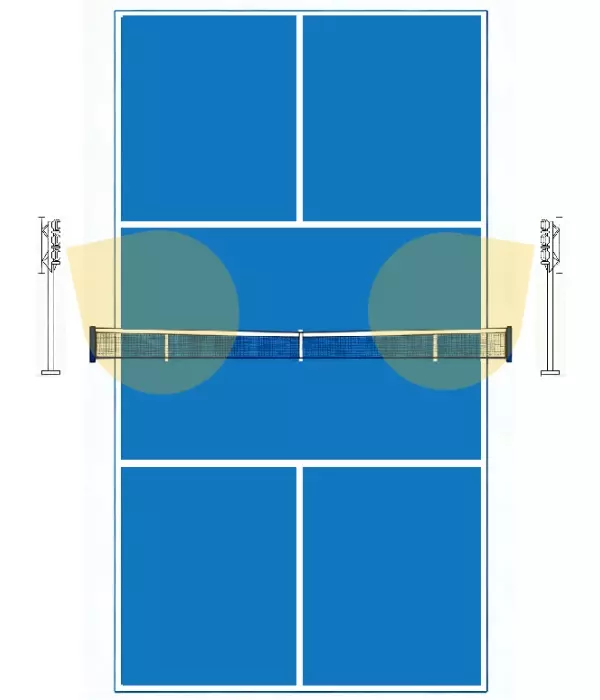
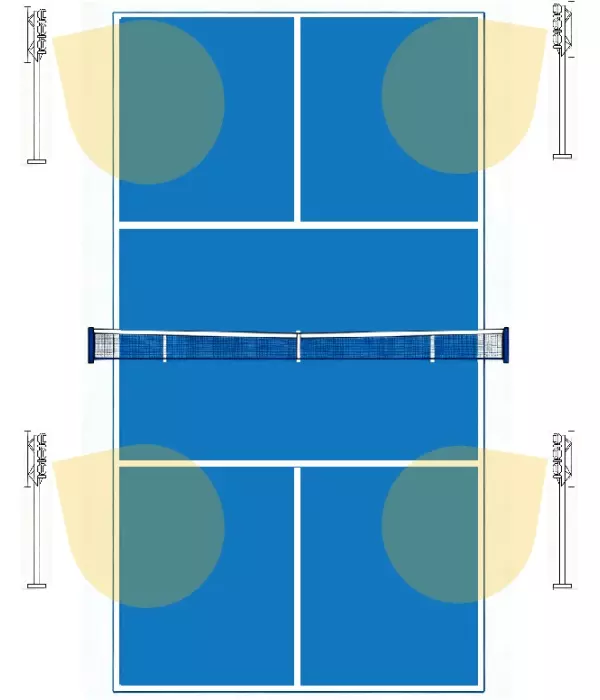
シングルコート(2本ポール) シングルコート(4本ポール)
2. 隣接する2つのコート
(1) 2極共用レイアウト
複合コートの両端にポールが 1 本ずつあります。
コートが適切に配置されている場合は、カジュアルプレイにも使用できます。
特に外側の端で照明が不均一になるリスクがあります。
(2) 4極共用レイアウト
複合コートの各サイドにポールが 2 本あります。
より均一な照明を提供し、コート間の影を減らします。
コート 2 面を備えたクラブや学校向けの中予算ソリューションです。
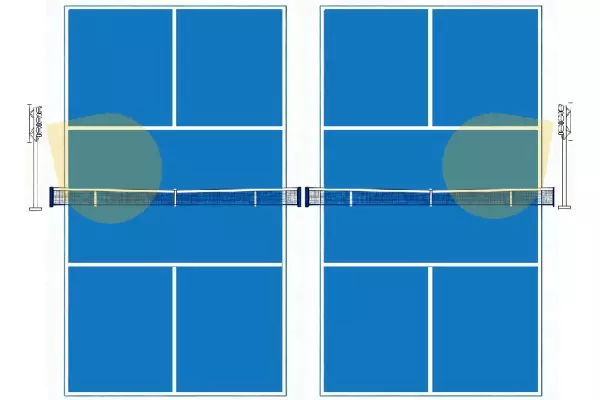
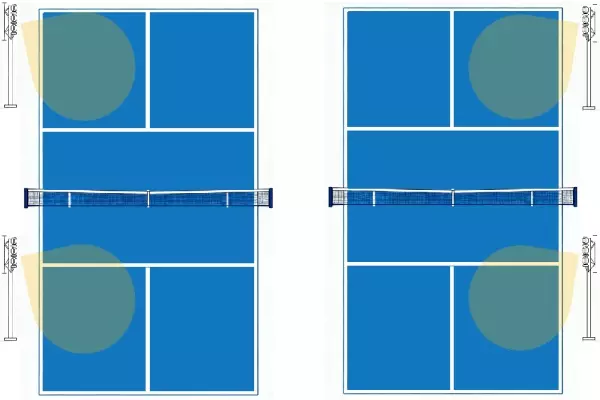
2本のポール付きコート2面 4本のポール付きコート2面
3. 4コートまたは複数コートのレイアウト
(1) 4極レイアウト
複合施設全体の各角にポールが 1 本ずつあります。
複数のコートをカバーできますが、均一性は低くなります。
カジュアルプレイやコミュニティプレイには適していますが、トーナメントには適していません。
(2) 8極レイアウト
各コートクラスターの片側につきポールが 2 本ずつあります。
すべてのコートで均一な競技レベルの照明を確保します。
より高いルクス要件をサポートし、グレアを軽減します。
追加のポール、固定具、配線、およびより強固な基礎が必要となるため、最も高価なオプションです。
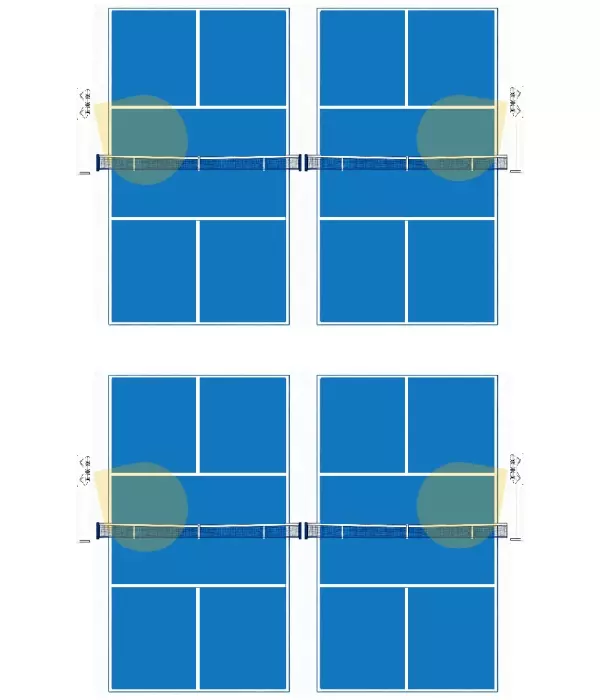
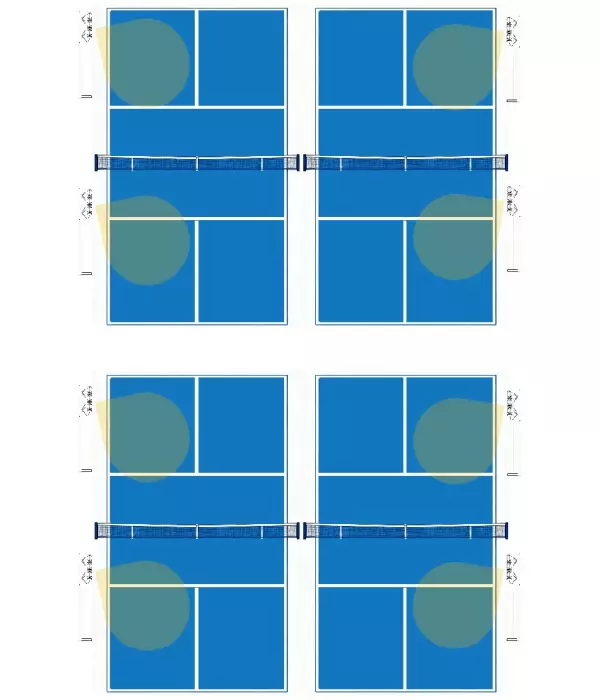
4本のポール付き4コート 8本のポール付き4コート
重要な考慮事項
照明の配置: ポールは視界を遮らず、影を最小限に抑える必要があります。
光漏れ制御: ポールの数が増えると、バイザーやシールドによる制御が向上します。
エネルギー効率: 追加のポールにより初期コストは増加しますが、均一性が向上し、コーナーの過剰な照明によるエネルギーの無駄が削減されます。
適切なレイアウトの選択は、コートの数、使用方法、予算によって異なります。レクリエーション施設ではポールの数が少なくても十分ですが、クラブやトーナメント会場では、より均一で広いレイアウトが適しています。
LED 照明と従来の照明 — どちらがコスト効率が高いでしょうか?
照明オプションを比較する際、ほとんどの購入者は初期費用と長期コストを比較します。ピックルボールコートの場合、従来のメタルハライド(MH)よりもLEDがほぼ常に優れています。
LED照明はメタルハライドランプに比べて消費電力を60~70%削減します。特に夜間に数時間照明を点灯する施設では、月々の電気代をすぐに削減できます。
メンテナンスも大きな違いの一つです。LED照明器具は
最小限のメンテナンスで5万~10万時間使用できます。一方、メタルハライド電球は6~18ヶ月ごとに交換が必要になることが多く、材料費と人件費の両方が増加します。
スポーツでは光の質も重要です。LED
は安定したちらつきのない光、優れた色鮮やかさ、そして素早い応答性を提供します。
メタルハライドランプはウォームアップに時間がかかり、経年劣化により暗くなる傾向があるため、視認性と安定性に影響を及ぼします。
LEDが最もコスト削減につながるのは寿命です。
初期費用は多少かかりますが、長寿命化により交換頻度やエレベーターのレンタル回数が減り、ダウンタイムも大幅に短縮されます。
つまり、LEDピクルボール照明は 初期費用は高くなりますが、生涯コストは最も低く 、最高のプレイ体験を提供します。レクリエーションコートでも競技コートでも、ほとんどのコートではLEDの方が費用対効果の高い選択肢となります。
ピックルボールコートの照明コストを削減する方法(実用的なヒント)
設置前にいくつかの賢明な決断をすることで、照明予算を削減できます。以下は、照明の品質を損なうことなく費用を節約する最も実用的な方法です。
ヒント1:適切な照明レベルを選択する
レクリエーションコートにはトーナメントレベルの豪華さは必要ありません。
適切な明るさの範囲内に留まることで、不要な照明器具を回避できます。
過剰設計が少ない = 設備とエネルギーのコストが低い。
ヒント2:ワット当たりのルーメンが高いLED照明器具を選ぶ
これらの LED は、より少ない電力でより高い明るさを実現します。
効率が上がれば、備品が少なくなり、長期的な電気代も減ります。
これは品質を犠牲にせずに節約できる最も簡単な方法の 1 つです。
ヒント3:一体型のポール+器具パッケージを使用する
ポール、ブラケット、LED ライトを 1 つのサプライヤーから購入することで、コンポーネントの不一致を防ぐことができます。
パッケージ価格は、通常、部品を個別に購入するよりも安くなります。
インストールがより速く、より安価になります。
ヒント4:サーキットを組み合わせてマルチコートレイアウトにする
配線と溝掘りを共用することで、労働時間が大幅に短縮されます。
電気技師は、導管の数を減らし、ケーブル配線を短くする必要があります。
2つ以上のコートを計画しているクラブに最適です。
ヒント5:経験豊富な照明デザイナーと協力する
レイアウトが適切でないと影やグレアが発生し、多くの場合やり直しが必要になります。
プロフェッショナルな設計により、正しいポールの高さ、間隔、光学系が保証されます。
最初に正しく行うことで、最も多くの費用を節約できます。
ヒント6:将来の拡張を計画する
後でコートを追加する可能性がある場合は、今すぐ電気システムのサイズを決定してください。
将来的にコストのかかる再配線や溝掘りを回避します。
これらの戦略は、安全で一貫した照明を維持しながら、ピックルボール照明の総コストを削減するのに役立ちます。
結論
ピックルボールコートの照明コストは、ポールの高さ、器具の数、設置条件などによって大きく異なります。しかし、ほとんどの場合、LEDシステムは 省エネ、長寿命、そしてメンテナンスの少なさから、生涯コストが最も低くなります。
正確な予算を知りたい場合は、コートの広さや地域の設置要件に基づいて、カスタマイズされた照明見積もりを依頼するのが最善のステップです 。カスタマイズされたプランは、過剰な出費を防ぎ、照明がプレーのニーズと長期的な期待に応えることを保証します。
ピックルボールコートの照明費用に関するよくある質問
ピックルボールコートには何個のライトが必要ですか?
ほとんどのコートでは4~6個のライトを使用します。カジュアルなプレイなら4個で十分ですが、競技志向のプレイヤーには6個の方がより広い範囲をカバーし、影も少なくなります。
最適なポールの高さはどれくらいですか?一般的なポールの高さは20~26フィート
です。ポールを高くするとグレアが軽減され、均一性が向上しますが、材料費と設置コストも増加します。
理想的なワット数はどれくらいですか?
ほとんどの屋外コートは300W~400WのLED照明器具で十分に機能します。この範囲であれば、エネルギーを無駄にしたり、過度のグレアを発生させたりすることなく、強力な明るさを実現できます。
ピックルボールライトは自分で設置できますか?
通常はできません。照明の設置には、高電圧配線、コンクリート基礎、構造上の安全性などを考慮する必要があります。ほとんどの都市では、資格を持った電気技師または資格のある請負業者に作業を依頼する必要があります。
LEDピクルボールライトの寿命はどのくらいですか?
高品質のLEDは通常50,000~100,000時間持続します。つまり、最小限のメンテナンスで長年にわたり安定した光出力が得られ、長期的なコストも抑えられます。
公式の照明基準はありますか?
全国的な統一基準はありませんが、ほとんどのガイドラインでは150~300ルクス以上が推奨されています。レクリエーションコートでは低めの明るさで十分ですが、競技コートではより高い明るさと均一性が求められます。