-
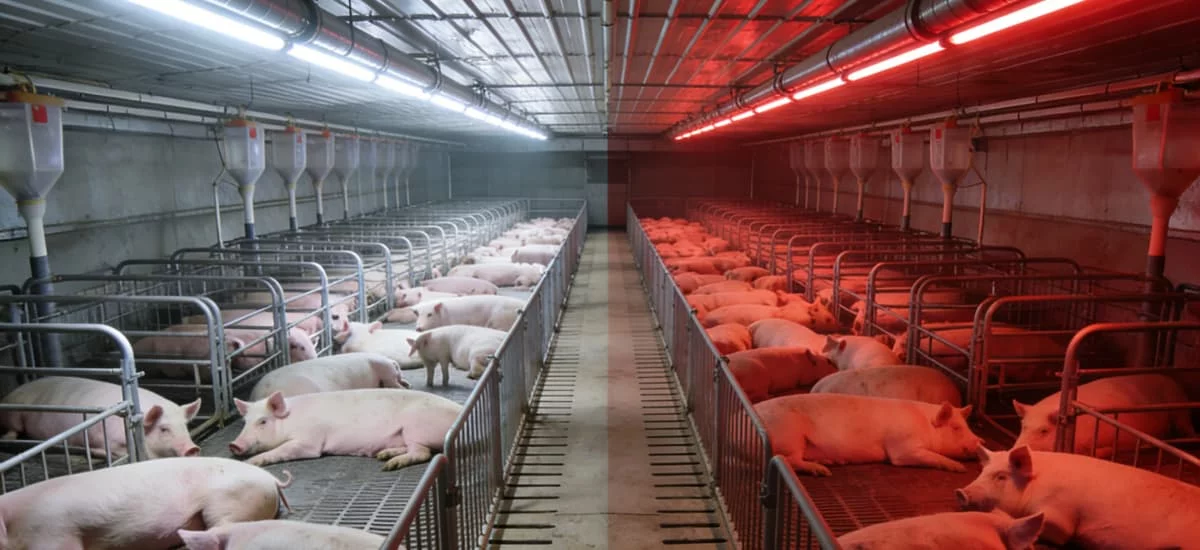
Leitfaden zur Schweinebeleuchtung: Optimierung von Produktion und Tierwohl
Erfahren Sie, wie die richtige Beleuchtung in der Schweinehaltung das Wachstum fördert, Aggressionen reduziert und die Fruchtbarkeit der Sauen verbessert. Lernen Sie die „Dim-to-Red“-Strategie kennen, erfahren Sie mehr über die empfohlenen Lichtstärken je nach Entwicklungsstadium und warum ammoniakbeständige LED-Leuchten für Ihren Betrieb unerlässlich sind.
-
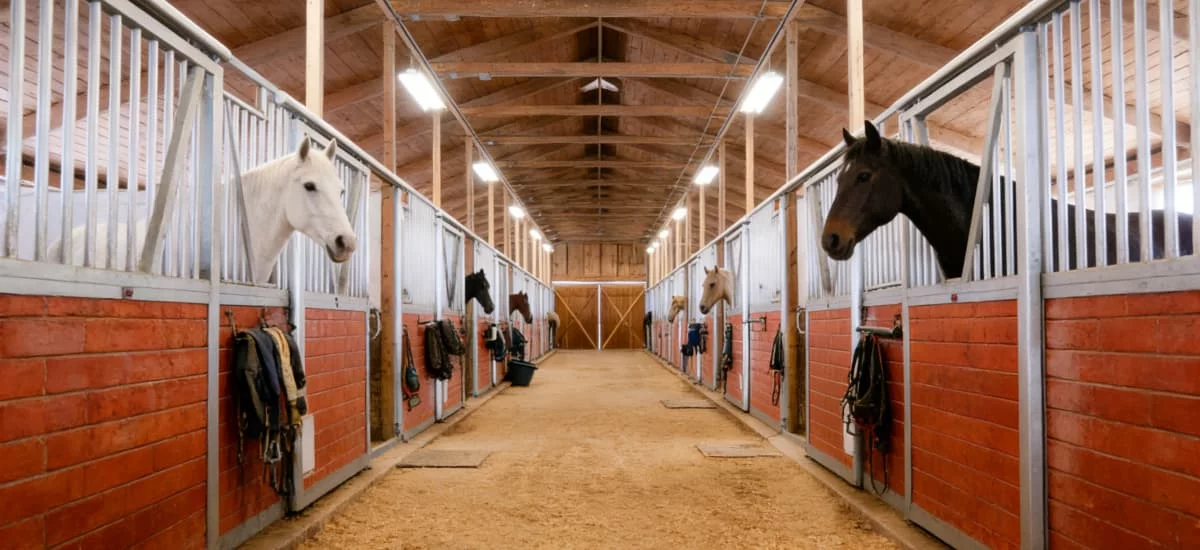
Leitfaden zur Stallbeleuchtung: Hellere Ställe, glücklichere Pferde
Suchen Sie die optimale Beleuchtung für Ihren Pferdestall? Erfahren Sie, wie viele Lumen Sie benötigen, welche LED-Leuchten für Boxen geeignet sind und entdecken Sie optimale Beleuchtungskonzepte. Finden Sie langlebige Lösungen für hellere und sicherere Ställe.
-
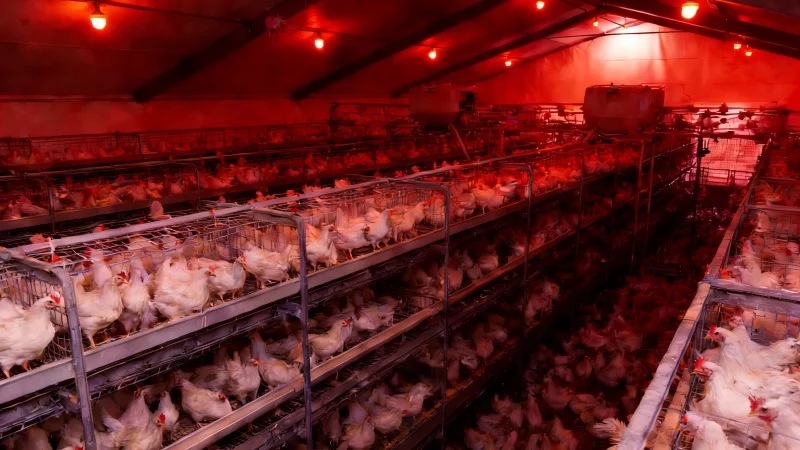
Brauchen Hühner nachts Licht? Die Wissenschaft der Dunkelphasen
Brauchen Hühner nachts Licht? Nein – dauerhaftes weißes Licht ist gesundheitsschädlich. Erfahren Sie, wie eine Rotlichtstrategie mit intelligenter Dimmung die Immunität der Herde stärkt und sichere nächtliche Kontrollen ermöglicht.
-
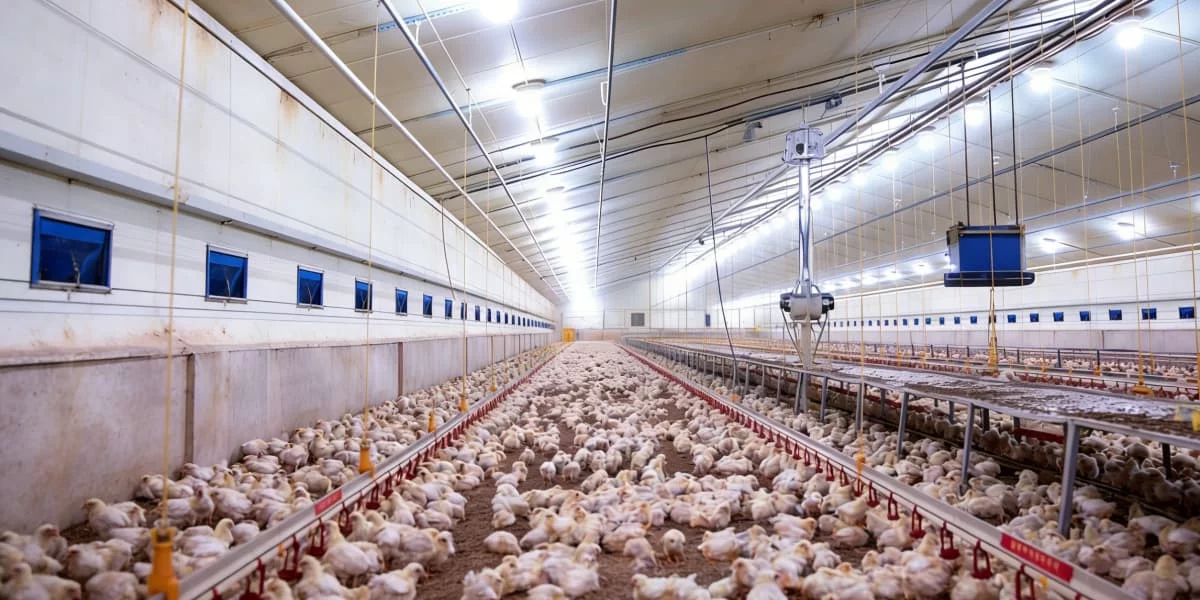
Hühnerstallbeleuchtung für den Winter: Für maximale Eierproduktion
Beugen Sie saisonalen Ertragseinbußen mit der richtigen Hühnerstallbeleuchtung für den Winter vor. Erfahren Sie, wie ein 14- bis 16-stündiges Beleuchtungsprotokoll und flimmerfreie LEDs die maximale Eierproduktion für den kommerziellen Einsatz wiederherstellen.
-
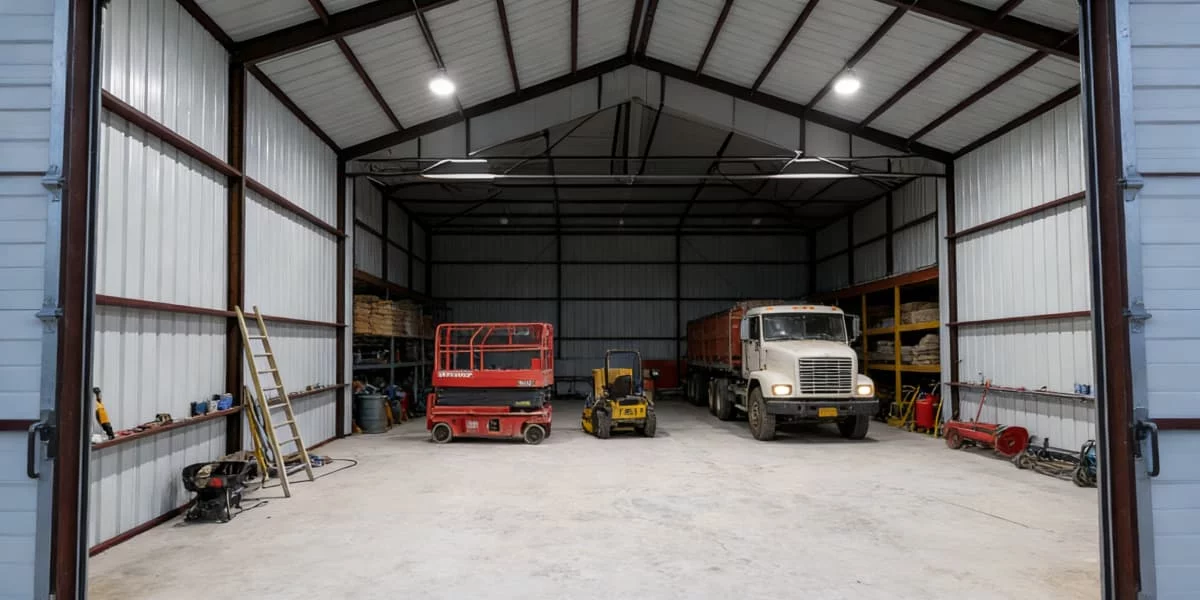
Beleuchtungsleitfaden für Scheunen: Layouts, Lumen & Lösungen
Für eine optimale Beleuchtung von Scheunen empfiehlt sich eine Lichtstärke von 50 FC in Werkstätten und 30 FC in Scheunen. Erfahren Sie, wie Sie Lumen berechnen, die Beleuchtung planen und korrosionsbeständige Leuchten für Tierhaltungsumgebungen auswählen.
-
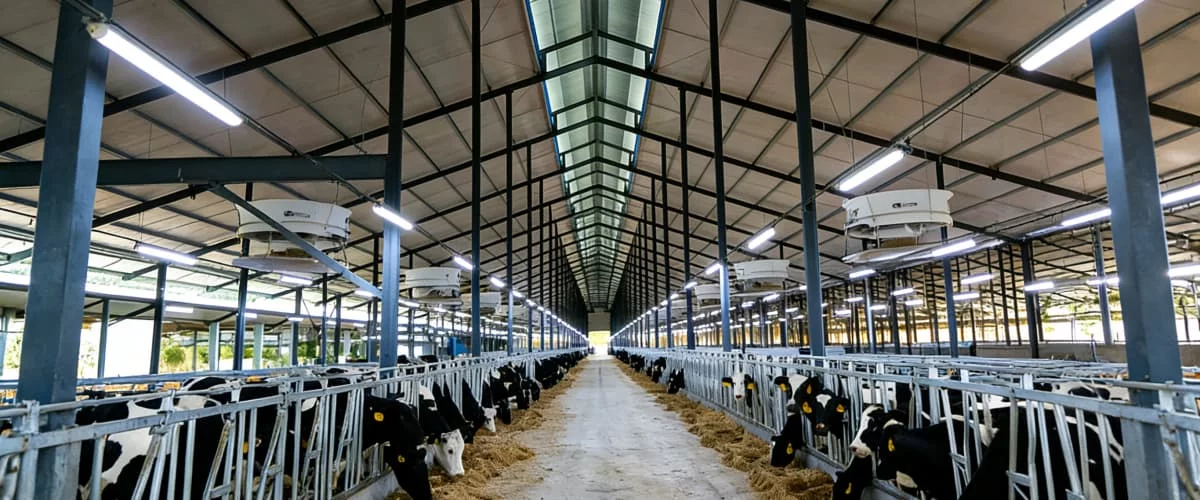
Wie kann die Milchproduktion bei Kühen auf natürliche Weise gesteigert werden?
Kämpfen Sie trotz guter Fütterung und Einstreu mit Milchleistungsrückgängen? Dieser Artikel erklärt, wie Sie die Milchproduktion Ihrer Kühe auf natürliche Weise steigern können, indem Sie einen oft vernachlässigten Faktor berücksichtigen: die Photoperiode. Erzielen Sie höhere Erträge mit der richtigen Lichtintensität und einem 16:8-Lichtzyklus.
-
.webp)
Leitfaden zur Rinderbeleuchtung: Das „versteckte“ Element zur Steigerung der Milchleistung
Die meisten Landwirte übersehen den Faktor „Licht“ in der Diamantregel für Kuhkomfort. Erfahren Sie, wie professionelle Rinderbeleuchtung und Photoperiodenmanagement die Milchleistung um 8 % steigern und die Energiekosten senken können.
-
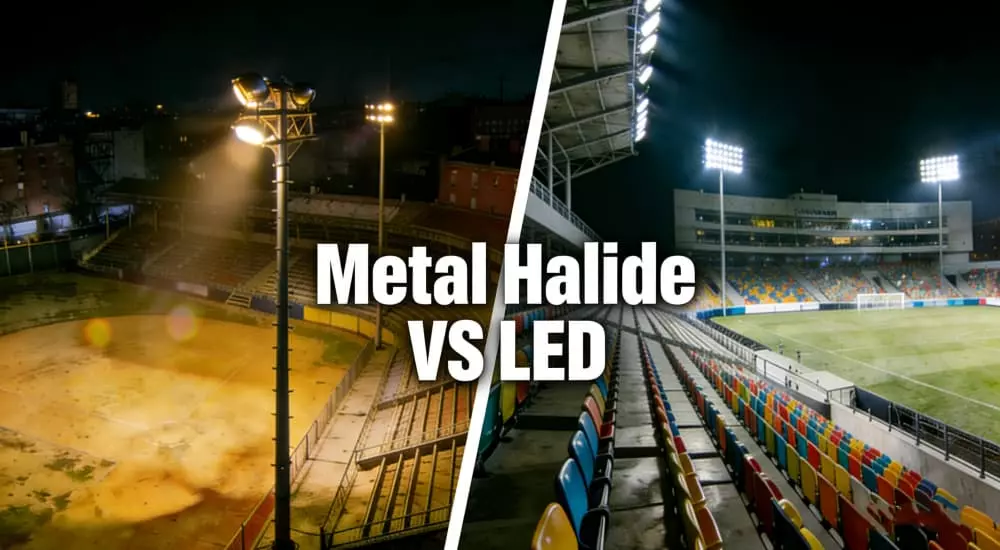
Metallhalogenid vs. LED: Beleuchtungs-Showdown 2026
Sind Metallhalogenlampen tot? Wir vergleichen Metallhalogenlampen mit LED-Lampen hinsichtlich Energieeffizienz, Wartungskosten und Lichtstrom. Erfahren Sie, warum Lagerhallen umsteigen und welche Risiken die Wahl der falschen LED-Lampe birgt.
-
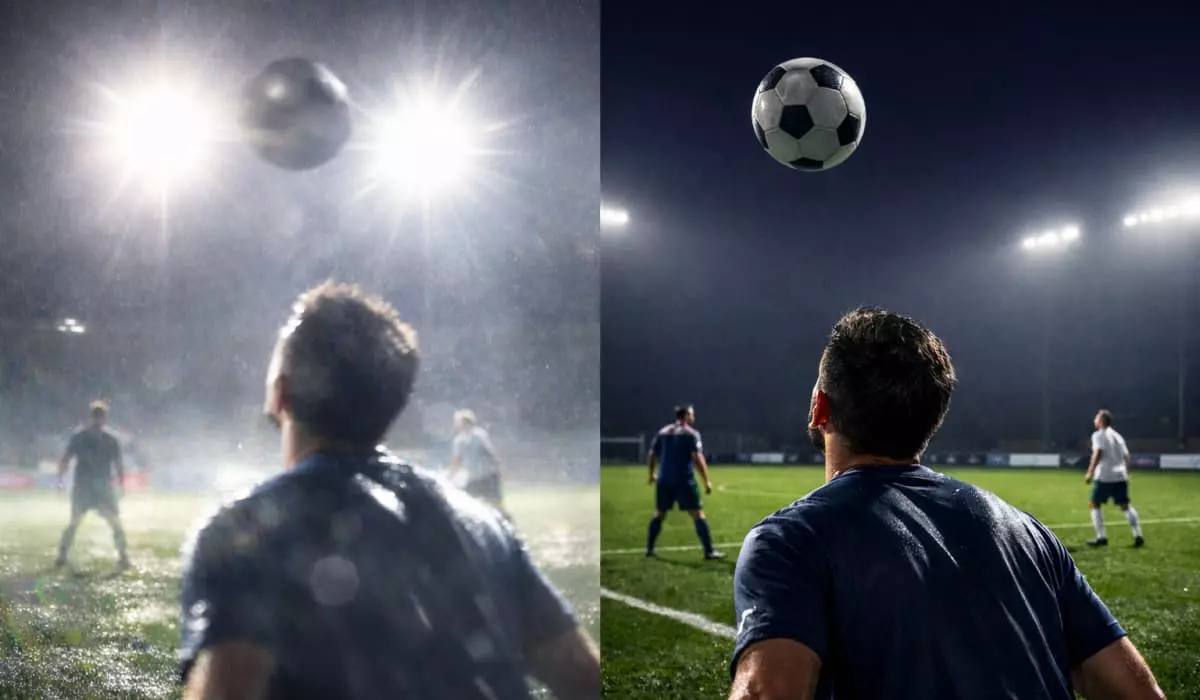
Wie lässt sich die Blendwirkung bei der Beleuchtung von Sportstadien reduzieren?
Beeinträchtigt Blendung die Leistung von Spielern? Entdecken Sie den ultimativen Leitfaden zur Blendungsreduzierung in Stadien. Erfahren Sie mehr über UGR/GR-Standards, optimieren Sie die Mastplatzierung und wählen Sie die passenden blendfreien LED-Leuchten für Ihre Arena.
-

Vergleich der LED-Farbtemperaturen: 3000 K vs. 4000 K vs. 5000 K vs. 6500 K
Vergleichen Sie LED-Farbtemperaturen von 3000 K bis 6500 K anhand einer praktischen Tabelle für Büros, Lagerhallen, Sportplätze und Außenbeleuchtung. Erfahren Sie, welche Farbtemperatur Produktivität, Sicherheit und Rentabilität optimiert.
_thumb.jpg)