_thumb.jpg)
Der ultimative Leitfaden für Sportplatzbeleuchtung: Design & Layouts
Inhaltsverzeichnis
Warum auf LED-Sportplatzbeleuchtung umsteigen?
Lumen, Foot-Candles und Klassenbewertungen
Sportspezifische Lösungen: Lichtanpassung für jedes Spiel
Wie gestaltet man die perfekte Gartenlandschaft?
Wie wählt man die richtigen Flutlichtmasten für Sportplätze aus?
Installation, Kosten & Wartung: Planung Ihres Projektbudgets
Fazit: Bereit, dein Spiel auf ein neues Level zu heben?
Stell dir vor: Es steht unentschieden, das Adrenalin schießt durch deine Adern, und du bist kurz davor, den Siegtreffer zu erzielen. Plötzlich versinkt die Sonne hinter dem Horizont, und das Spielfeld wird dunkel. Das Spiel ist vorbei – nicht weil du müde bist, sondern weil du nichts mehr sehen kannst.
Ob Sie als Hausbesitzer einen Traum-Sportplatz im Garten verwirklichen oder als Anlagenmanager einen öffentlichen Park modernisieren – eine professionelle Sportplatzbeleuchtungsanlage ist der entscheidende Faktor, der dafür sorgt, dass das Spiel auch nach Sonnenuntergang weitergeht.
Die Beleuchtung eines Sportplatzes ist jedoch nicht so einfach wie die Installation eines Flutlichts. Man muss die Masthöhe, den Abstrahlwinkel, eine nachbarschaftsfreundliche Lichtsteuerung und die spezifischen Anforderungen verschiedener Sportarten berücksichtigen.
Willkommen zu Ihrem ultimativen Ratgeber. Als Branchenexperten haben wir diese umfassende Informationsquelle erstellt, die Ihnen alles Wissenswerte über Sportplatzbeleuchtung erklärt. Von der LED-Technologie bis zur Auswahl des richtigen Flutlichtmastes – dieser Ratgeber dient Ihnen als zentrale Anlaufstelle.
Lassen Sie uns Ihre Möglichkeiten aufzeigen.
Warum auf LED-Sportplatzbeleuchtung umsteigen?
Früher wurden Sportplätze mit energieintensiven Metallhalogenid- oder Natriumdampf-Hochdrucklampen beleuchtet. Diese alten Sportplatzleuchten waren berüchtigt dafür, 15 Minuten zum Aufwärmen zu benötigen, laut zu brummen und ungleichmäßige „Hotspots“ auf dem Spielfeld zu erzeugen.
Heute haben LED-Sportplatzleuchten die Branche grundlegend verändert. Ob Sie einen brandneuen Platz ausleuchten oder Reparaturen und Ersatzteile für eine alte Sportplatzbeleuchtung benötigen – der Umstieg auf LED ist die klügste Investition, die Sie tätigen können. Und das aus gutem Grund:
1. Hervorragende Sichtbarkeit und Farbwiedergabe
Bei schnellen Sportarten wie Tennis oder Pickleball ist die Ballverfolgung entscheidend. Alte, gelbe Lampen verfälschen die Farben. Moderne LEDs bieten einen hohen Farbwiedergabeindex (CRI > 80), wodurch der Ball klar und weiß erscheint, genau wie bei Tageslicht. Dies reduziert die Augenbelastung und verbessert die Reaktionszeiten der Spieler.
2. Sofortige Ein-/Ausschaltfunktion
Herkömmliche Lampen benötigen eine Abkühlphase, wenn sie versehentlich ausgeschaltet werden. LED-Sportplatzbeleuchtungen hingegen schalten sich sofort mit voller Helligkeit ein. Das ist ideal für Privatnutzer, die schnell ein Spiel spielen möchten, ohne warten zu müssen, oder für Einrichtungen, die mit Bewegungsmeldern Energie sparen wollen.
3. Enorme Energie- und Wartungseinsparungen
LEDs verbrauchen 50 bis 70 % weniger Energie als Metallhalogenlampen. Hochwertige Sportplatzbeleuchtungen sind zudem für über 50.000 Betriebsstunden ausgelegt. Für einen Gartenplatz bedeutet das bis zu 20 Jahre wartungsfreien Betrieb. Schluss mit dem mühsamen Wechseln durchgebrannter Glühbirnen auf hohen Leitern!
Profi-Tipp: LEDs sind nicht gleich LEDs. Achten Sie bei der Auswahl einer Leuchte auf spezielle, für Sportanlagen entwickelte „asymmetrische Optiken“ und nicht auf herkömmliche Flutlichtstrahler. So wird sichergestellt, dass das Licht nach unten auf das Spielfeld und nicht nach oben in den Himmel gerichtet wird.
Lumen, Foot-Candles und Klassenbewertungen
Eine der häufigsten Fragen, die uns gestellt werden, lautet: „Wie viele Lumen benötige ich tatsächlich für eine Sportplatzbeleuchtung?“
Viele Käufer machen den Fehler, sich beim Kauf von Sportplatzbeleuchtung allein auf die Wattzahl zu verlassen. Bei der Beleuchtung von Sportplätzen wird die Helligkeit jedoch in Lumen gemessen, die tatsächlich auf den Boden treffende Lichtmenge aber in Foot-Candles (fc). Um einen sicheren und bespielbaren Platz zu gewährleisten, müssen die richtigen Foot-Candles-Werte eingestellt werden, die je nach Spielertyp variieren.
Die drei Beleuchtungsklassen:
Beleuchtungsstandards werden im Allgemeinen in drei Klassen eingeteilt. Wenn Sie wissen, in welche Klasse Ihre Beleuchtung fällt, vermeiden Sie, zu viel Geld für Flutlichtanlagen in Stadionqualität auszugeben oder Ihren Platz unzureichend auszuleuchten.
Klasse I (Professionell/Fernsehübertragung) : Wettbewerb auf hohem Niveau. Erfordert extrem helles, gleichmäßiges Licht (75-100+ fc).
Klasse II (Verein/Wettbewerb) : Hochschulmannschaften oder hochkarätige kommerzielle Vereine. Gute Sichtbarkeit für schnelles Spiel (30-50 Zuschauer).
Klasse III (Freizeit/Wohngebiet) : Hinterhofplätze, Parks und Schulen. Ausreichend für Spaß und Sicherheit ohne übermäßige Kosten (15-30 FC).
Für eine detaillierte Betrachtung der spezifischen Kennzahlen für verschiedene Spielniveaus empfehlen wir Ihnen dringend, unseren ausführlichen Artikel über Sportplatzbeleuchtungsstandards zu lesen.Es beschreibt detailliert die Anforderungen an Sicherheit und Leistung.
Die Bedeutung einer photometrischen Studie:
Schätzen Sie Ihre Spielfeldbeleuchtung nicht. Ein Beleuchtungssystem für Sportplätze sollte mithilfe einer photometrischen Studie geplant werden. Dabei handelt es sich um eine Computersimulation, die exakt berechnet, wie sich das Licht auf Ihrem Spielfeld verteilt. So stellen Sie sicher, dass Sie die korrekten Lichtstärken und die optimale Gleichmäßigkeit erreichen, bevor Sie Hardware kaufen.
Sportspezifische Lösungen: Lichtanpassung für jedes Spiel
Nicht alle Beleuchtungsanlagen für Outdoor-Sportplätze sind gleich. Eine Anlage, die für einen Basketball-Kreis optimal ist, kann für eine Tennis-Grundlinie völlig ungeeignet sein. Da Ballgeschwindigkeit, Spielwinkel und Platzgröße variieren, muss das Beleuchtungskonzept an die jeweilige Sportart angepasst sein.
Hier erfahren Sie, wie Sie die drei beliebtesten Court-Typen angehen, und finden Links zu unseren spezialisierten Leitfäden für detailliertere Layouts.
1. Tennisplatzbeleuchtung
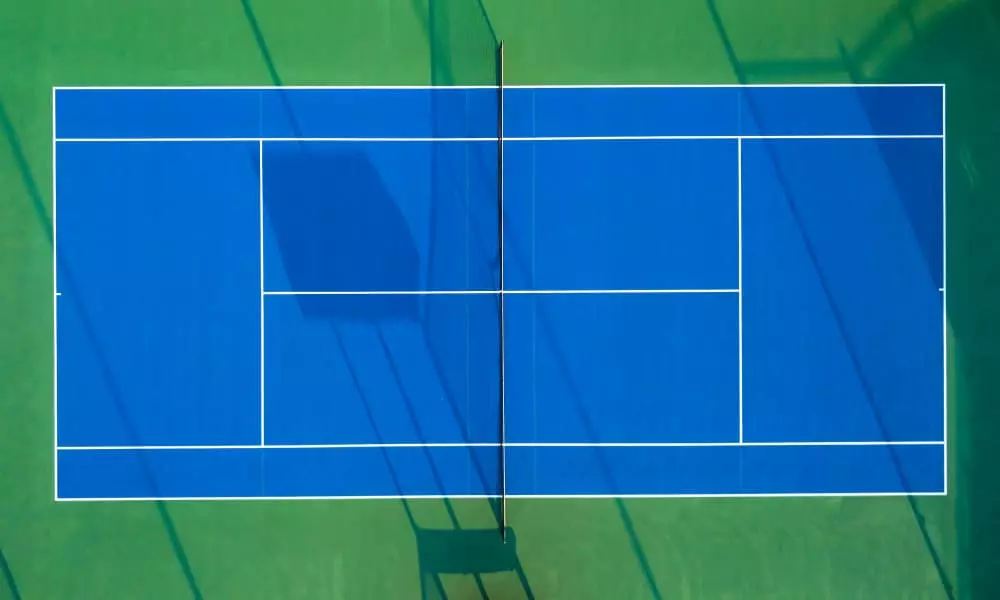
Tennis ist ein rasanter Sport, bei dem gutes Sehvermögen entscheidend ist. Die größte Gefahr bei der Beleuchtung auf dem Tennisplatz ist Blendung. Wenn ein Spieler zum Aufschlag aufblickt und von einer Lampe geblendet wird, ist das Spiel ruiniert.
Wichtigste Strategie: Die Scheinwerfer sollten niemals direkt hinter den Grundlinien positioniert werden. Stattdessen sollten sie entlang der Seitenlinien (Seitenbeleuchtung) angebracht werden, um Blendung und Schattenwurf auf dem Ball zu minimieren.
Mehr erfahren: Spezifische Empfehlungen für Leuchten und Layoutbeispiele finden Sie in unserem umfassenden Leitfaden zur Tennisplatzbeleuchtung.Die
2. Beleuchtung des Pickleball-Platzes
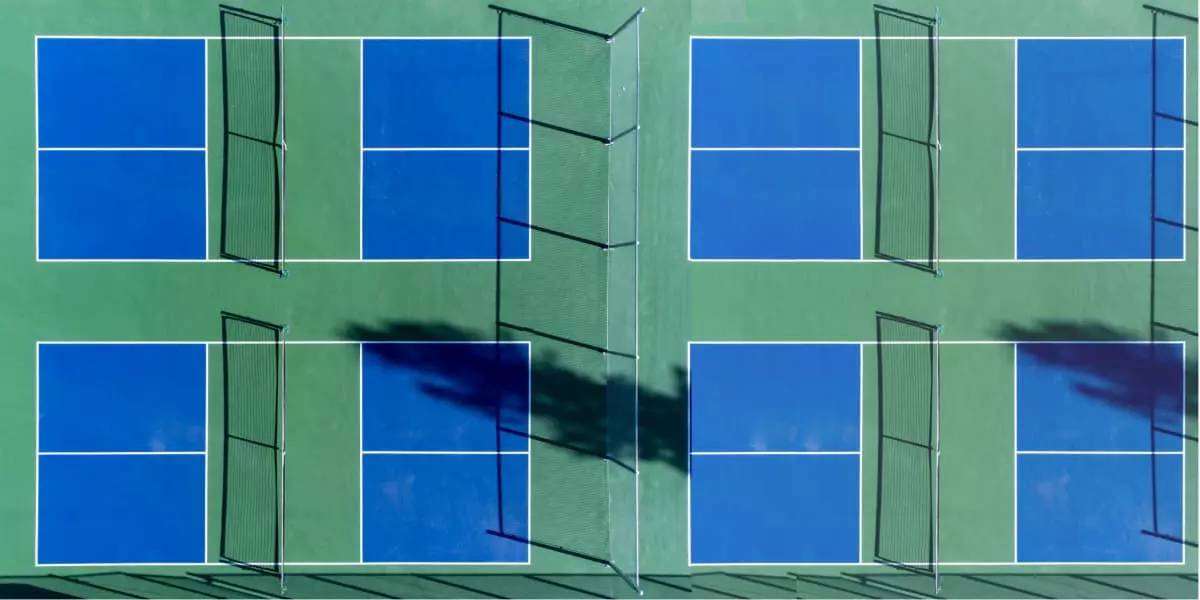
Pickleball ist die am schnellsten wachsende Sportart in den USA, und obwohl sie Ähnlichkeiten mit Tennis aufweist, sind die Anforderungen an die Beleuchtung anders. Da das Spielfeld kleiner ist (6 x 13 Meter), muss die Platzierung der Flutlichtmasten enger sein.
Wichtigste Strategie: Da Pickleball-Plätze oft in beengten Wohn- oder Vereinsräumen untergebracht sind, ist Streulicht ein wichtiges Thema. Sie benötigen Leuchten, die das Licht gezielt auf die Spielfläche richten.
Planungshilfe: Sie planen eine Anlage mit mehreren Pickleball-Plätzen? In unserem Leitfaden zur Beleuchtungsplanung für Pickleball-Plätze finden Sie Diagramme für 2- und 4-Platz-Konfigurationen.
Kosten & Produkte: Wenn Sie sich in der Budgetierungsphase befinden, ist unsere Aufschlüsselung der Kostenanalyse für die Beleuchtung von Pickleball-Plätzen eine unverzichtbare Lektüre.
3. Beleuchtung des Basketballfelds
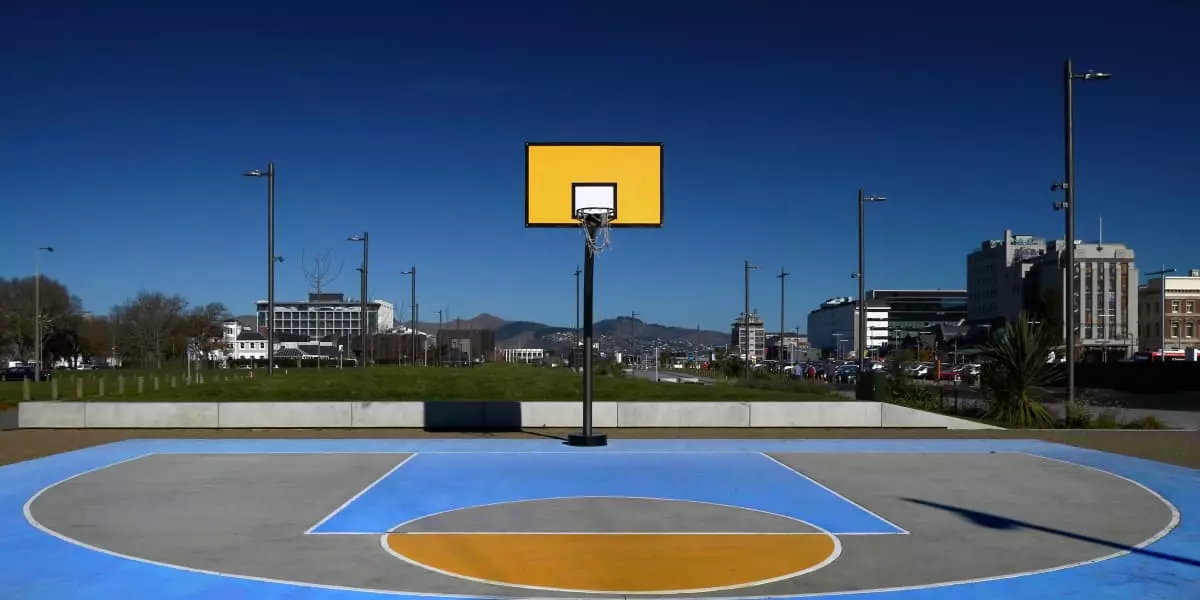
Anders als beim Tennis blicken Basketballspieler häufig aus allen Richtungen nach oben (zum Korb). Die Beleuchtung von Basketballplätzen im Freien muss daher sicherstellen, dass Ring und Brett gut sichtbar sind, ohne harte Schatten auf den Boden zu werfen, die Hindernisse verdecken könnten.
Wichtigste Strategie: Bei einem Standard-Halbfeld oder -Vollfeld ist Einheitlichkeit entscheidend. Vermeiden Sie „Scheinwerfereffekte“, bei denen der Freiwurfbereich hell, die Dreipunktelinie aber dunkel ist.
Tiefer Einblick: Egal, ob Sie einen Basketballkorb in der Einfahrt oder einen kompletten Basketballplatz in einem Park beleuchten möchten, lesen Sie unseren Leitfaden zur Beleuchtung von Outdoor-Basketballplätzen .
Beleuchtung von Sportplätzen im Wohnbereich: So gestalten Sie die perfekte Gartenbeleuchtung
Die Beleuchtung eines Privathauses unterscheidet sich grundlegend von der Beleuchtung eines öffentlichen Parks. Bei der Planung der Beleuchtung für einen Sportplatz im Wohnbereich geht es nicht nur um optimale Spielbedingungen, sondern auch um die Gestaltung des Wohnraums und das Verhältnis zu den Nachbarn.
Ein guter Nachbar sein: Lichtstreuung kontrollieren
Die größte Sorge von Hausbesitzern, die Außenbeleuchtung für Sportplätze installieren, ist Lichtverschmutzung – helles Licht, das direkt in das Schlafzimmer oder auf die Terrasse eines Nachbarn scheint.
Um Beschwerden und mögliche rechtliche Probleme zu vermeiden, sollten Sie nach Leuchten mit Hintergrundbeleuchtungsblenden oder Präzisionsoptik suchen . Diese Merkmale schirmen das Licht am Rand des Spielfelds scharf ab, sodass der Spielbereich optimal ausgeleuchtet ist und die Umgebung im Dunkeln bleibt.
Multisportliche Vielseitigkeit:
Gartenplätze werden selten nur für eine Sportart genutzt. Eine typische Familienanlage kombiniert beispielsweise ein halbes Basketballfeld mit einem zusätzlichen Pickleballfeld.
In solchen Fällen muss die Beleuchtungsanlage flexibel sein. Sie benötigt ein Design, das sowohl für die sichere Ausleuchtung bei den schnellen Flugmanövern beim Basketball als auch für optimale Sichtverhältnisse beim Pickleball sorgt.
Weiterlesen: Wenn Sie sich in der Planungsphase eines Hausbauprojekts befinden, behandelt unser spezieller Leitfaden zur Beleuchtung von Sportplätzen im Wohnbereich detailliert spezifische Layouts, Bebauungspläne und nachbarschaftsfreundliche Technologien.
Mehr als nur die Leuchte: Die richtigen Flutlichtmasten für Sportplätze auswählen
Ein häufiger Fehler ist der Kauf hochwertiger Leuchten, deren Montage an ungeeigneten Masten jedoch nicht gewährleistet ist. Der Flutlichtmast auf dem Sportplatz ist das Rückgrat der Anlage, und die Wahl des falschen Mastes kann zu schlechter Lichtleistung oder sogar zu Sicherheitsrisiken bei Gewittern führen.
1. Warum die Masthöhe wichtig ist
Die Höhe der Flutlichtmasten auf Ihrem Sportplatz hat einen direkten Einfluss auf die Lichtqualität.
15–17 Fuß: Üblich für Tennisplätze in privaten Gärten, um den Auflagen der Hausbesitzervereinigung (HOA) zu entsprechen. Niedrigere Pfosten wirken zwar optisch weniger störend, können aber die Blendwirkung erhöhen, da der Lichteinfall flacher ist und somit weniger stark auf die Augen des Spielers trifft.
6–7,5 Meter: Die optimale Höhe für die meisten Flutlichtmasten auf Sportplätzen. In dieser Höhe ist der Lichtstrahl steiler nach unten gerichtet, wodurch Blendung deutlich reduziert und die Ausleuchtung des gesamten Spielfelds verbessert wird.
2. Material: Stahl vs. Aluminium
Stahlmasten: Extrem stabil und kostengünstig. Sie sind der Standard für gewerbliche Bauprojekte. Allerdings sind sie schwer und erfordern für die Montage schweres Gerät.
Aluminiummasten: Die bevorzugte Wahl für Küstenregionen oder Gebiete mit hoher Luftfeuchtigkeit, da sie nicht rosten. Sie sind außerdem leichter und lassen sich daher bei der Installation im Garten einfacher handhaben.
3. Windlastbewertungen (EPA)
Montieren Sie niemals eine Leuchte an einem Mast, ohne vorher die EPA-Kennzeichnung (Effektive Projektionsfläche) zu prüfen. Stellen Sie sicher, dass der Mast Ihrer Sportplatzbeleuchtung für das Gewicht der Leuchte und die Windgeschwindigkeiten in Ihrer Region ausgelegt ist (z. B. erfordern Hurrikangebiete in Florida deutlich stabilere Masten als der Mittlere Westen).
Komplettlösung: Um Kompatibilität und Sicherheit zu gewährleisten, empfehlen wir den Kauf eines kompletten Sportplatzbeleuchtungssystems, bei dem die Leuchten und Masten so konstruiert sind, dass sie optimal zusammenarbeiten.
Installation, Kosten & Wartung: Planung Ihres Projektbudgets
Die Investition in eine Sportplatzbeleuchtungsanlage ist eine wichtige Entscheidung. Um unerwartete Kosten zu vermeiden, ist es wichtig zu verstehen, welche Faktoren den Endpreis bestimmen und wie die Installation abläuft.
1. Welche Faktoren beeinflussen die Kosten?
Die Kosten Ihres Projekts umfassen nicht nur die Kosten der LED-Sportplatzbeleuchtung. Ein umfassendes Budget beinhaltet:
Die Hardware: Hochwertige Befestigungselemente und Masten.
Die Anordnung: Die Anzahl der Pole (z. B. ist ein 4-poliges System günstiger als ein 6-poliges System, allerdings unter Umständen weniger gleichmäßig).
Versand: Die Stangen sind schwer und lang, daher ist oft ein Spezialtransport erforderlich.
Montagearbeiten: Aushub, Betonieren der Fundamente und elektrische Verkabelung.
2. Installation: Selbstmontage vs. professionelle Installation
Die Installation von Flutlichtanlagen auf Sportplätzen ist im Allgemeinen kein Projekt für Heimwerker. Sie erfordert die Verlegung von Hochspannungskabeln und das Gießen schwerer Betonfundamente für die Masten.
Das Fundament: Die Stabilität Ihres Flutlichtmastes hängt von den Ankerbolzen und dem Betonfundament ab. Dies muss fachgerecht ausgeführt werden, um die Sicherheit zu gewährleisten.
Die Verkabelung: Für die Stromversorgung jedes einzelnen Mastes müssen unterirdische Gräben ausgehoben werden. Wir empfehlen dringend, für diese Phase einen zugelassenen Elektriker zu beauftragen.
3. Wartung und Reparaturen
Einer der größten Vorteile moderner Systeme ist der geringe Wartungsaufwand.
Wenn Sie derzeit eine ältere Anlage verwalten, kennen Sie wahrscheinlich die hohen Kosten für Reparaturen und den Austausch von Sportplatzbeleuchtungen – allein die Anmietung eines Hubwagens zum Wechseln einer durchgebrannten Halogenmetalldampflampe ist teuer.
Die LED-Sportplatzbeleuchtung ist wartungsfrei und für über 50.000 Betriebsstunden ausgelegt. Nach der Installation können Sie sich praktisch ein Jahrzehnt oder länger um nichts mehr kümmern und sich voll und ganz auf das Spiel konzentrieren.
Fazit: Bereit, dein Spiel auf ein neues Level zu heben?
Ein gut beleuchteter Sportplatz verlängert nicht nur die Spielzeit, sondern verbessert auch die Sicherheit, die Optik und den Wert Ihres Grundstücks. Ob Sie einen kommerziellen Sportkomplex betreiben oder eine private Sportanlage im Garten anlegen möchten – der Unterschied zwischen einer mittelmäßigen und einer professionellen Anlage liegt im Detail: die richtigen LED-Sportplatzleuchten, die optimale Masthöhe und eine durchdachte Anordnung.
Raten Sie nicht, wenn es um Ihre Beleuchtungsanforderungen geht. Wie wir in diesem Leitfaden bereits erläutert haben, hat jede Sportart – von Tennis über Basketball bis hin zu Pickleball – ihre eigenen, spezifischen Anforderungen.
Machen Sie den nächsten Schritt
Sind Sie bereit, genau zu sehen, wie Ihr Platz aussehen wird, bevor Sie einen Cent ausgeben?
Wir von Ceramiclite sind Spezialisten für komplette Sportplatzbeleuchtungssysteme. Wir bieten kostenlose photometrische Beleuchtungspläne an, um Ihre individuellen Platzmaße zu simulieren und Ihnen so die perfekte Helligkeit ohne Blendung zu garantieren.
Brauchen Sie Inspiration? Stöbern Sie in unserem Ratgeber zu LED-Tennisplatzbeleuchtung und Basketballplatzbeleuchtung .
Haben Sie Fragen? Kontaktieren Sie noch heute unser Team für ein Beratungsgespräch.
Erleuchte die Nacht. Spiel wie ein Profi.